

Cats
Do Cats Really Need a Water Fountain?
Cats are bad at drinking. That's not a quirk, it's a desert ancestry problem, and it shows up later as kidney and bladder disease.
6 min read
The Kindral shop
A bowl looks like the least interesting thing you can buy for an animal, right up until you meet a dog that inhales dinner in twenty seconds or a cat that will not drink from still water. Shape, height and material all change behaviour. Here is what each one actually does.
9 products
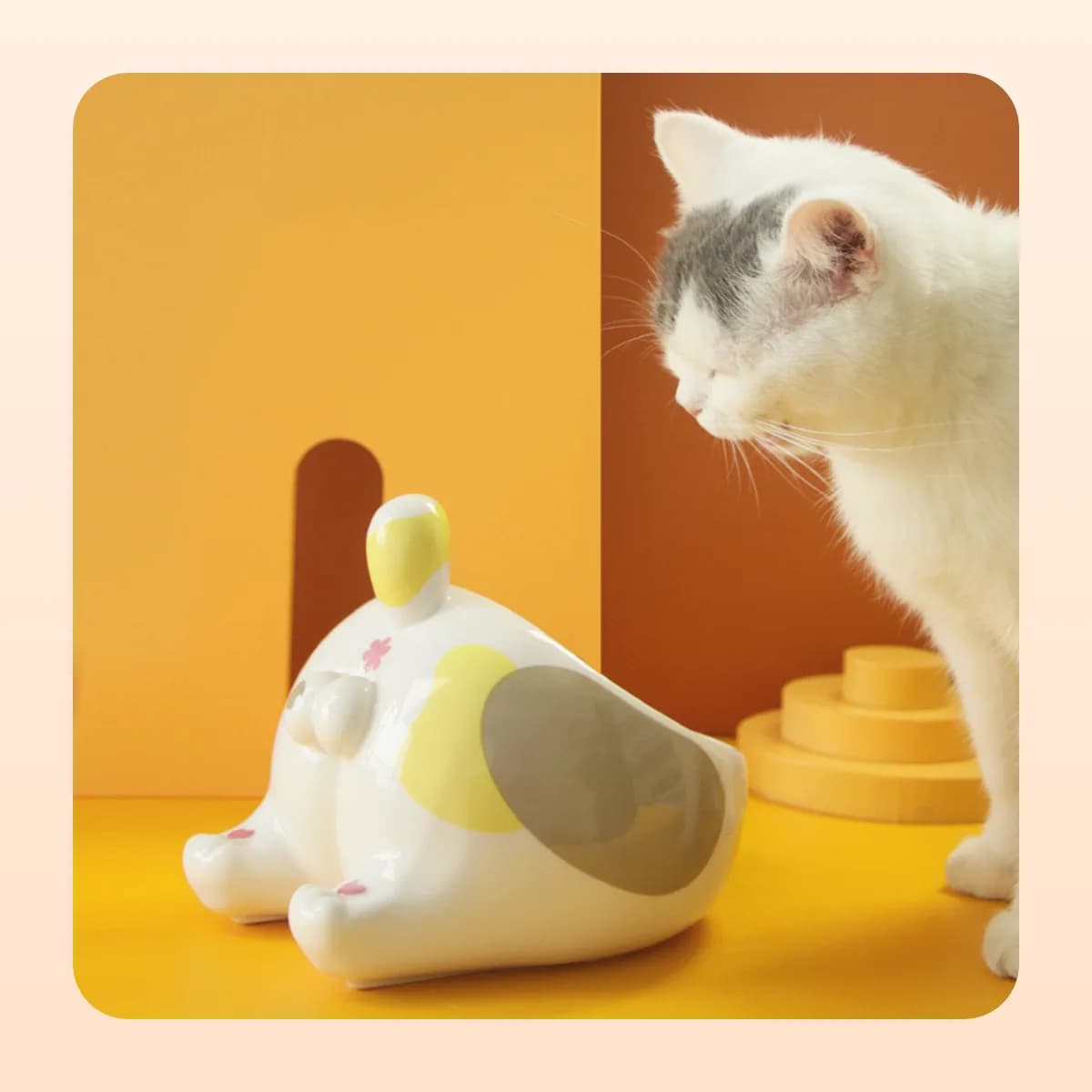
Cat whiskers are loaded with nerve endings and sit roughly as wide as the body. A deep, narrow bowl presses on them at every mouthful, which is why some cats paw food onto the floor, eat only from the middle, or walk away from a bowl that is still half full. A wide, shallow dish removes the problem entirely and costs nothing extra.
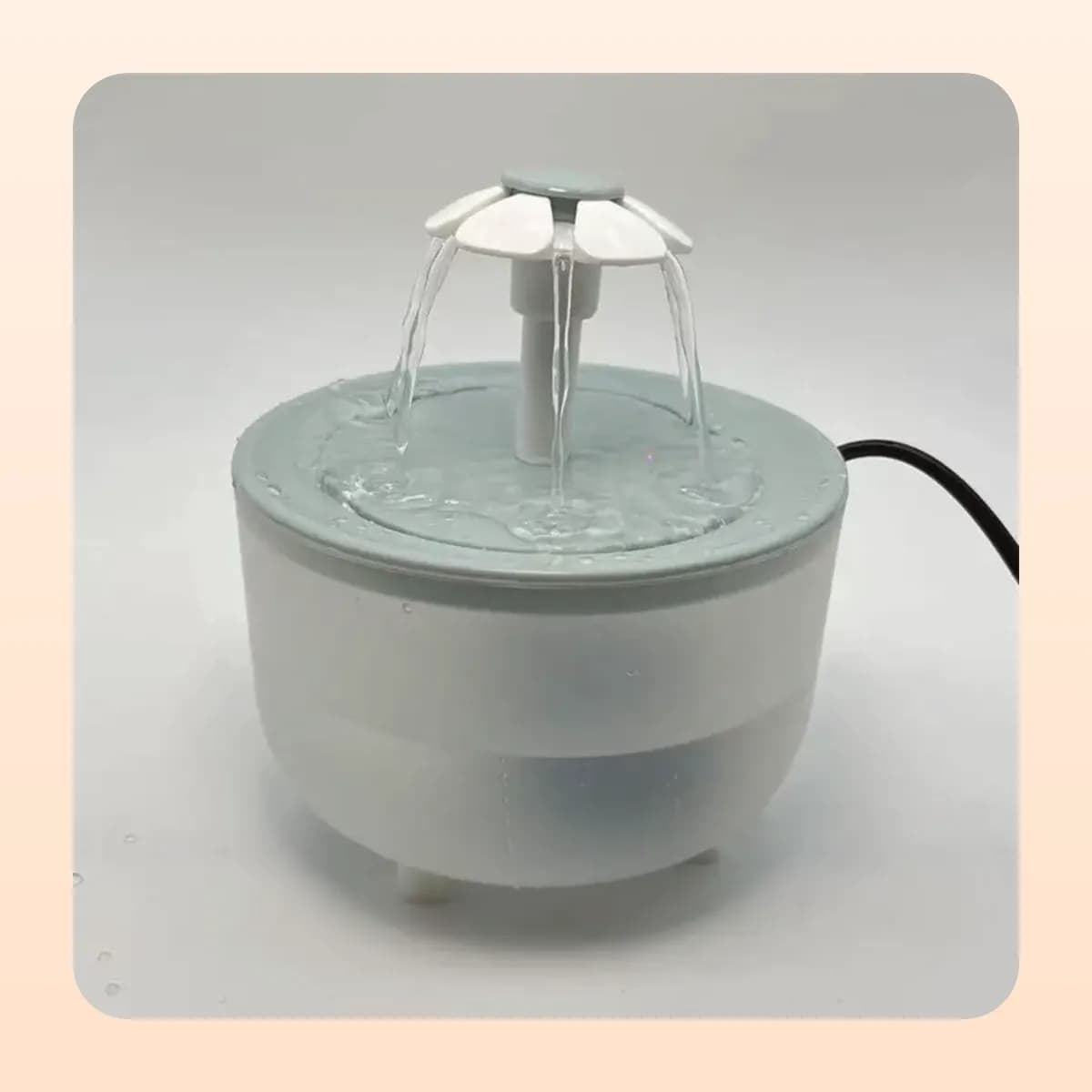
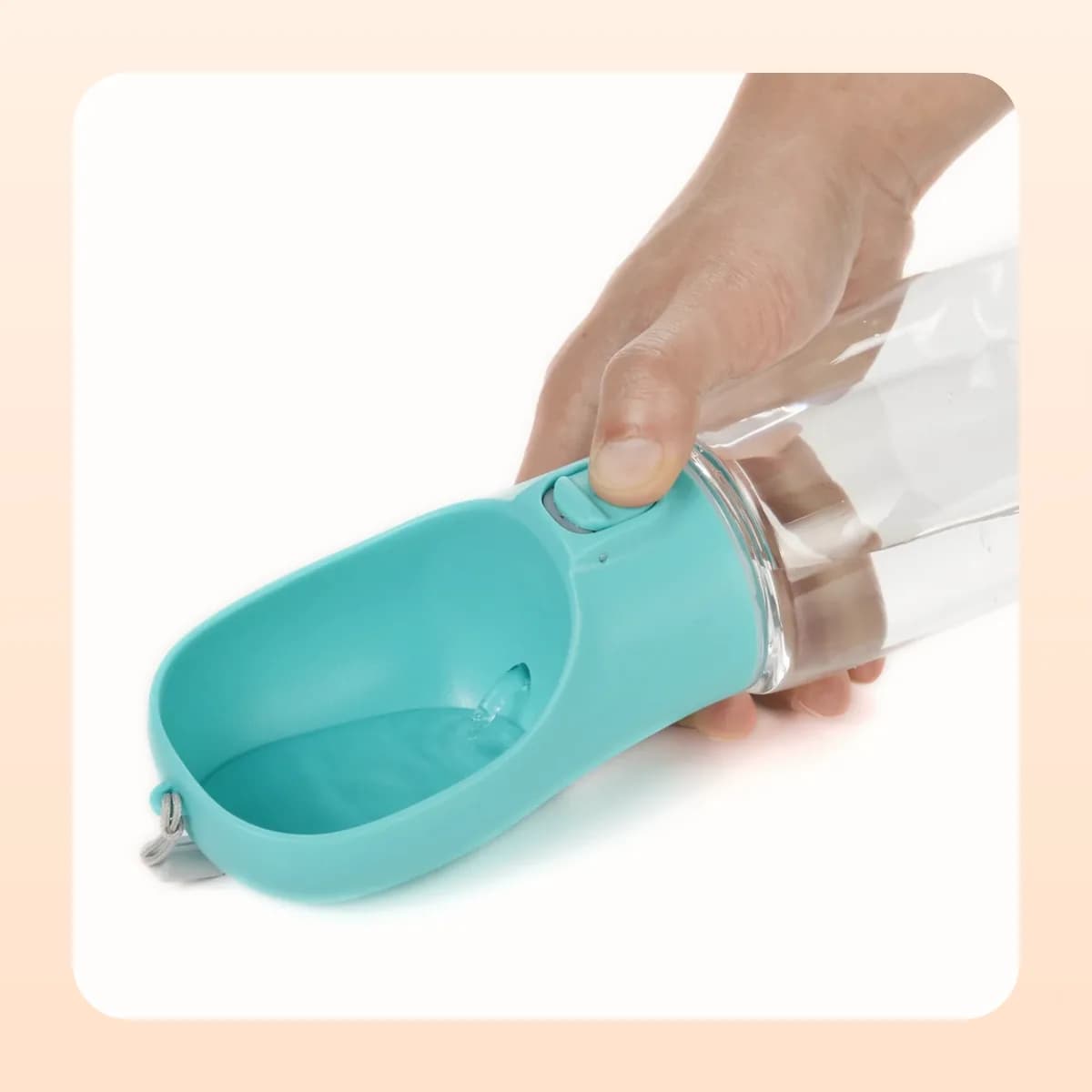
Water is the bigger issue. Cats evolved taking most of their moisture from prey and have a weak thirst drive, so chronic under-drinking is common and it loads the urinary tract and kidneys. Cats also avoid water that sits near their food or next to a wall where they cannot watch the room. Moving the bowl away from the food is free and often works on its own.
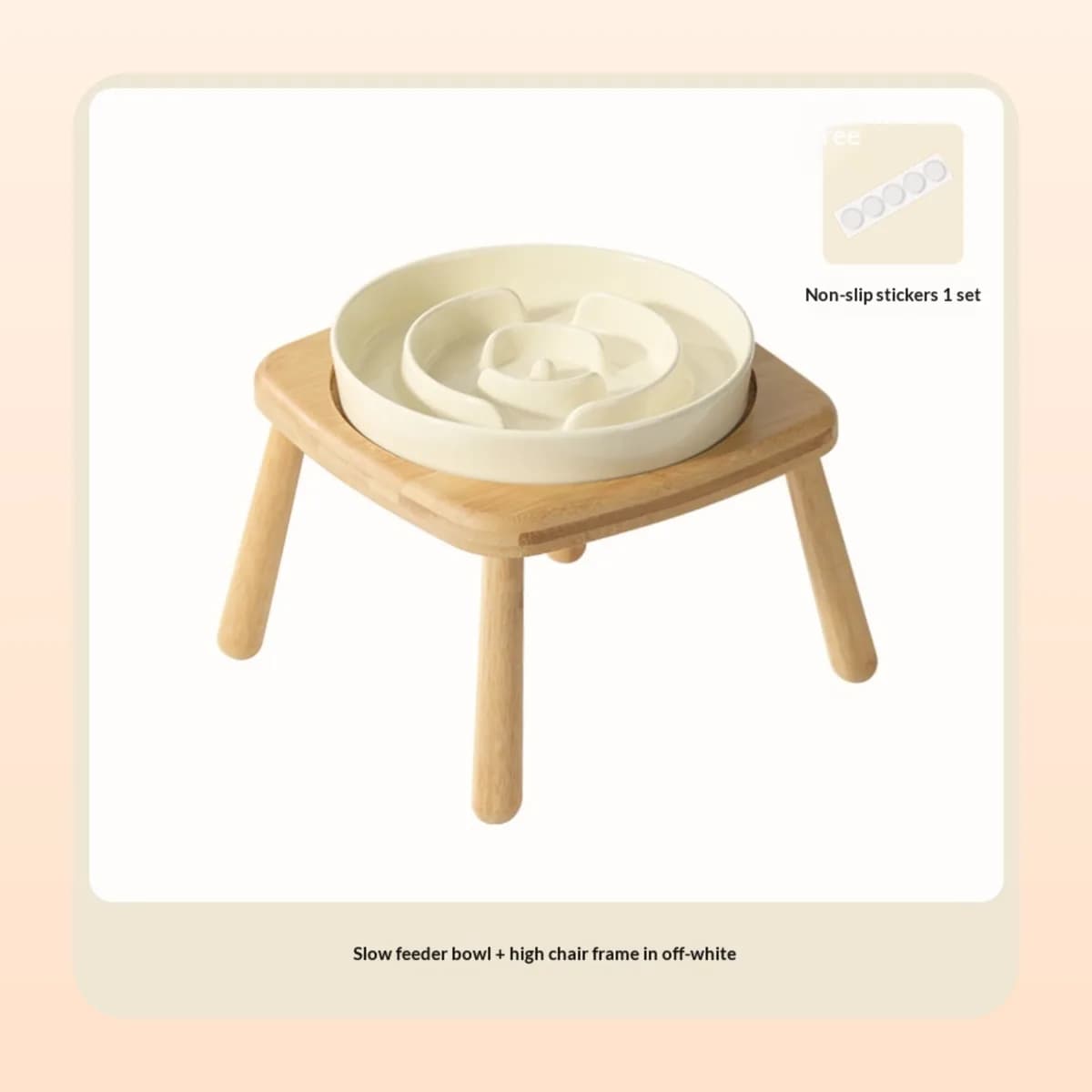
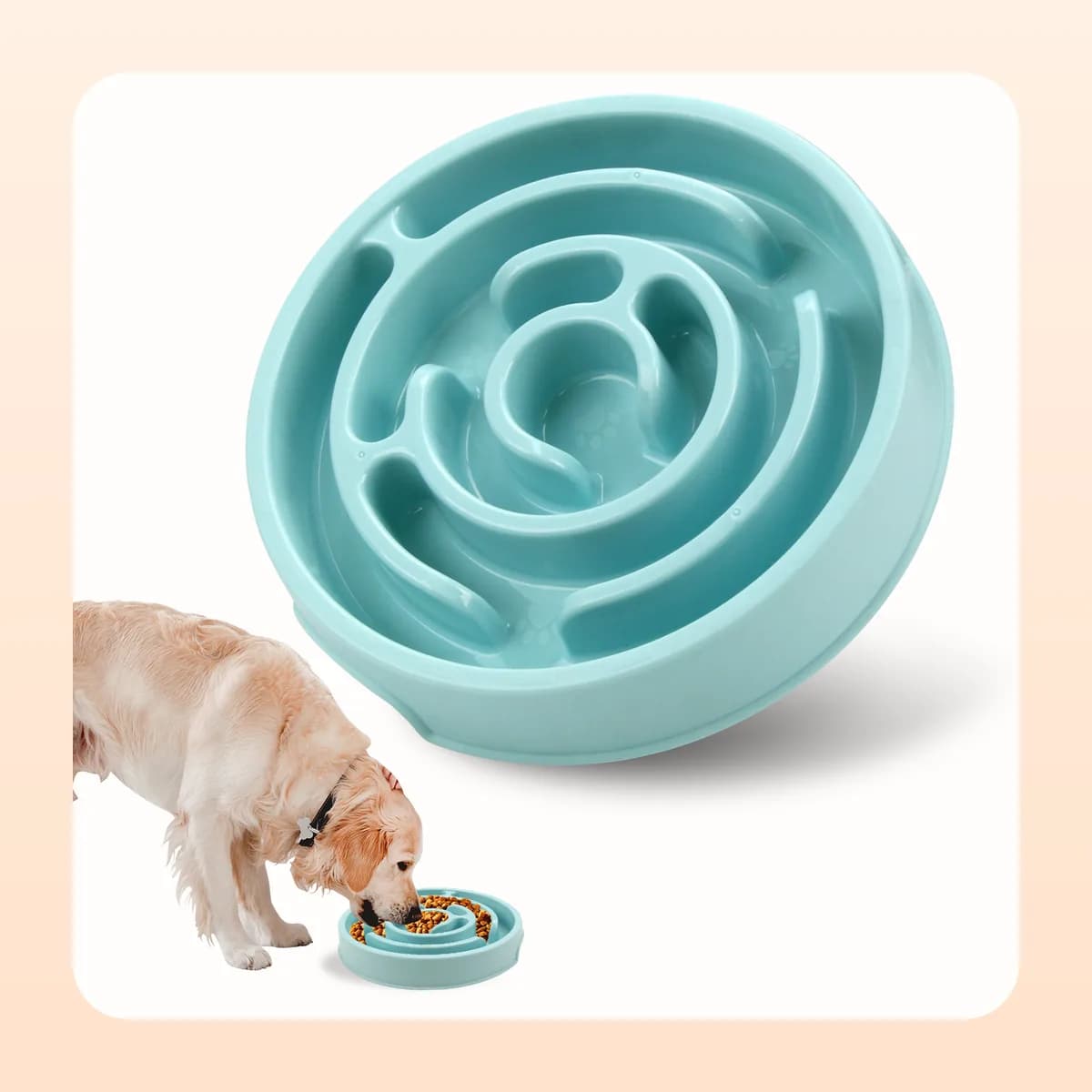
A dog that empties a bowl in seconds swallows a lot of air with it, which means burping, bloating and, in deep-chested breeds, a raised risk of a genuinely dangerous stomach twist. A maze bowl or a spinning puzzle feeder turns the same meal into several minutes of work. Start with an easy setting: a puzzle the dog cannot solve gets abandoned, and you conclude wrongly that the dog dislikes puzzles.
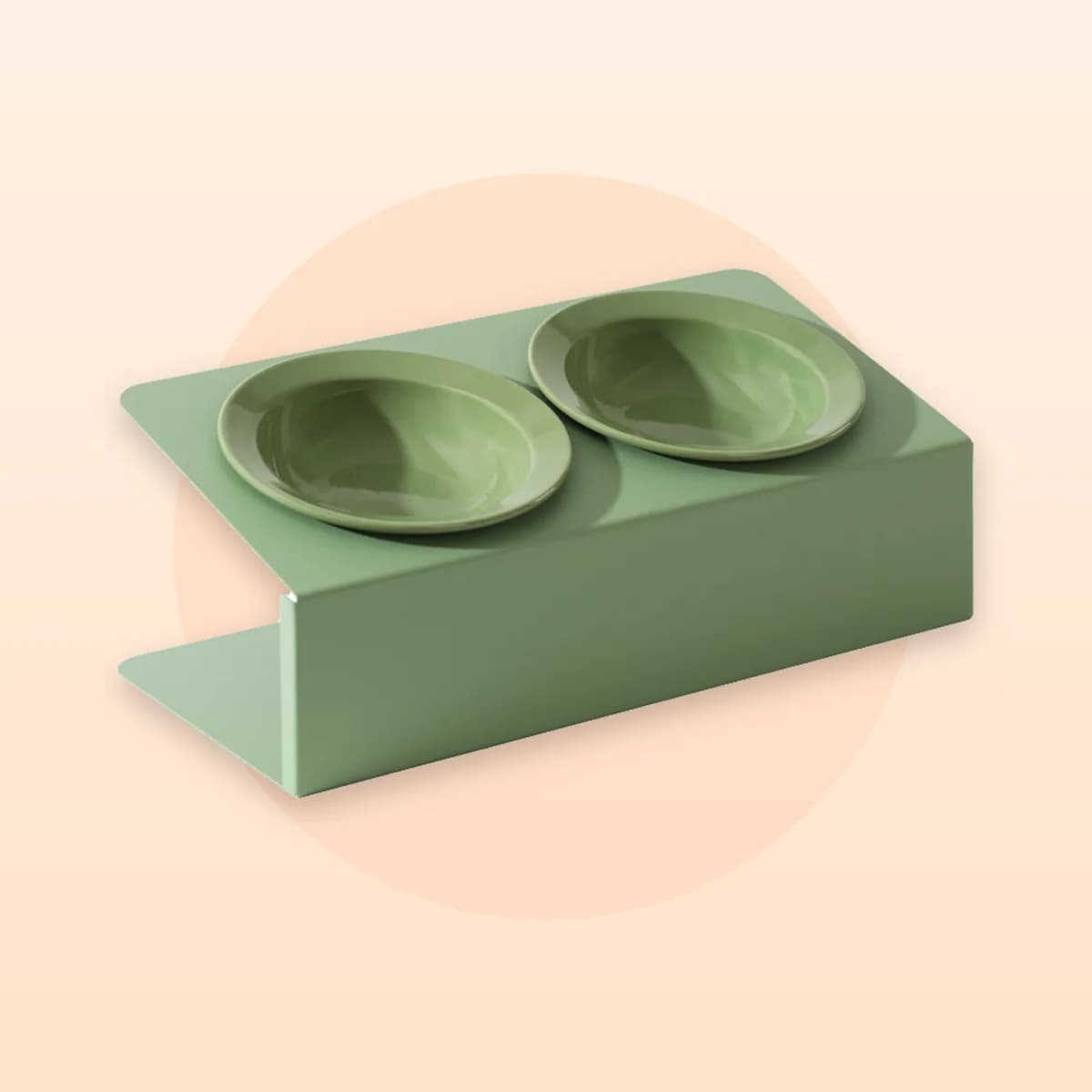
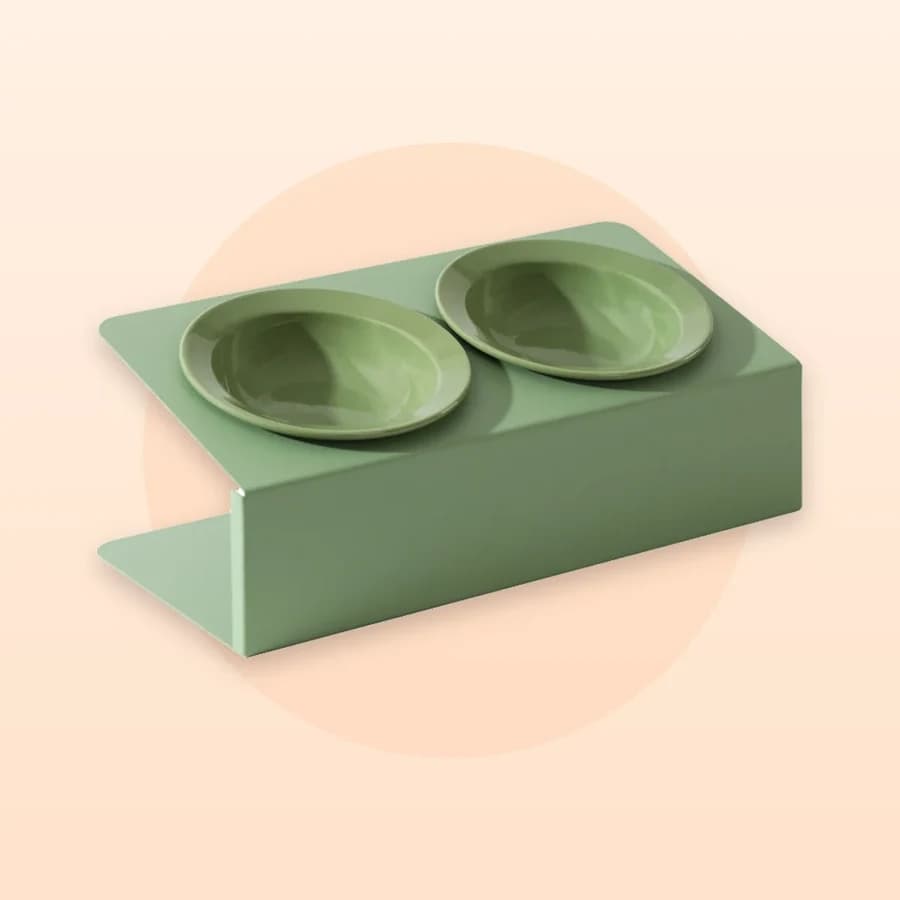
Raised bowls suit tall dogs and dogs with neck or shoulder stiffness, because the neck stays closer to level. They are not a universal upgrade, and for deep-chested breeds the evidence on bloat is mixed enough that it is worth asking your vet about your specific dog rather than assuming higher is safer.
Stainless steel and glazed ceramic are the two to choose between. Both wipe clean and neither holds a smell. Plastic scratches, and those scratches hold bacteria and can flare up chin acne in cats, which is the small crop of black spots owners often mistake for dirt. Wash food bowls daily and water bowls every couple of days, because the slippery film that forms is the thing animals object to.
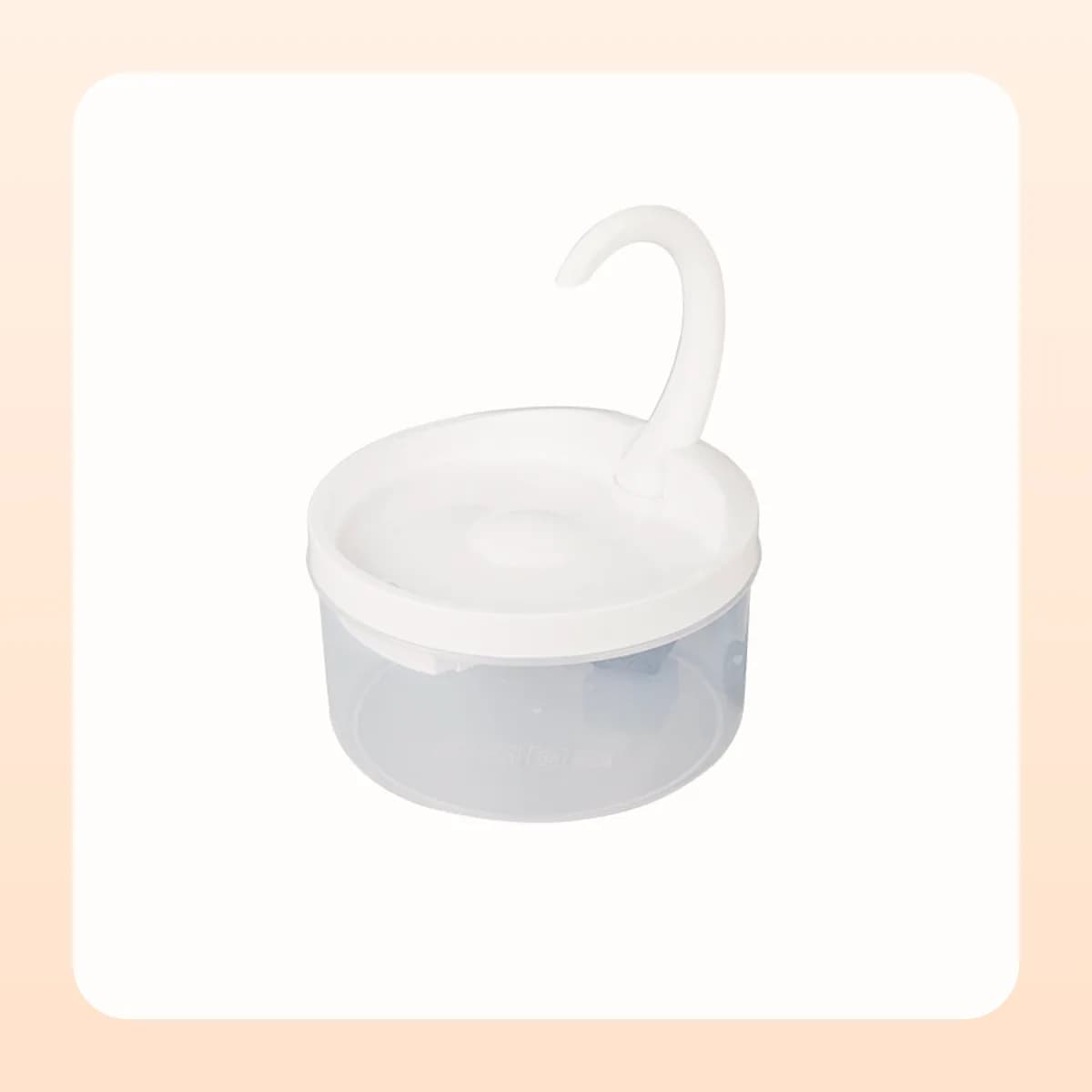
Rinse the bowl and pump weekly and change the filter on the schedule in the manual, usually every two to four weeks. A fountain left unwashed builds a slippery film that most cats will refuse before you notice it.
For a tall dog or one with a stiff neck, usually yes. For deep-chested breeds the research on bloat risk is genuinely mixed, so ask your vet about your dog rather than following a general rule.
Roughly 50 ml per kilogram of body weight per day from all sources, so a 4 kg cat needs about 200 ml. Cats on wet food get much of that from the food itself and will drink visibly less.
Away from the food bowl and away from the litter tray, somewhere the cat can drink with its back to a wall and its eyes on the room. Several small bowls around the house beat one large one.
Cats are bad at drinking. That's not a quirk, it's a desert ancestry problem, and it shows up later as kidney and bladder disease.
6 min read
Last reviewed August 30, 2026