



Dogs
How to Choose a Dog Bed That Actually Gets Used
Watch how your dog sleeps before you buy. Sprawlers and curlers need opposite beds, and buying the wrong one is why it sits unused.
7 min read
The Kindral shop
Where a bed goes decides whether it gets used. Dogs settle where they can see the door; cats settle where they are above the traffic and out of a draught. Get the location right and a cheap bed works. Get it wrong and the expensive one becomes a very well made floor decoration.
11 products
Measure the dog asleep rather than standing. A dog that curls into a circle needs the diameter of that circle plus roughly 15 cm, and does better in a bed with a raised rim to tuck against. A dog that sleeps flat out on its side needs the full nose-to-tail length and gets nothing from a bolster, which just becomes something to hang a head over.
Filling matters more as a dog ages. Fibre and shredded foam feel plush but flatten under a heavy dog within months, and a bed that has bottomed out is worse for stiff joints than the floor. Solid foam holds its shape for longer and is the sensible choice for a large or elderly dog.
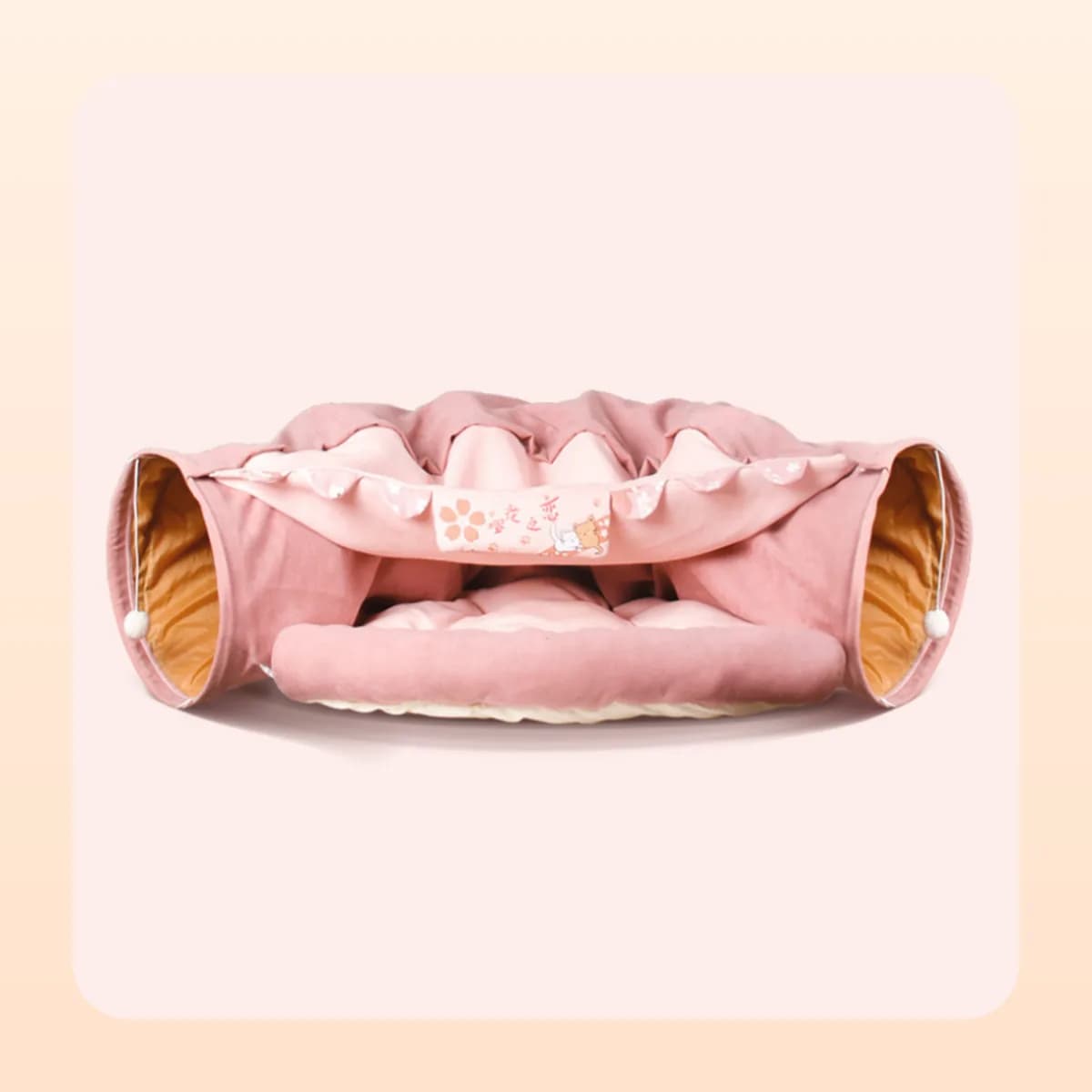
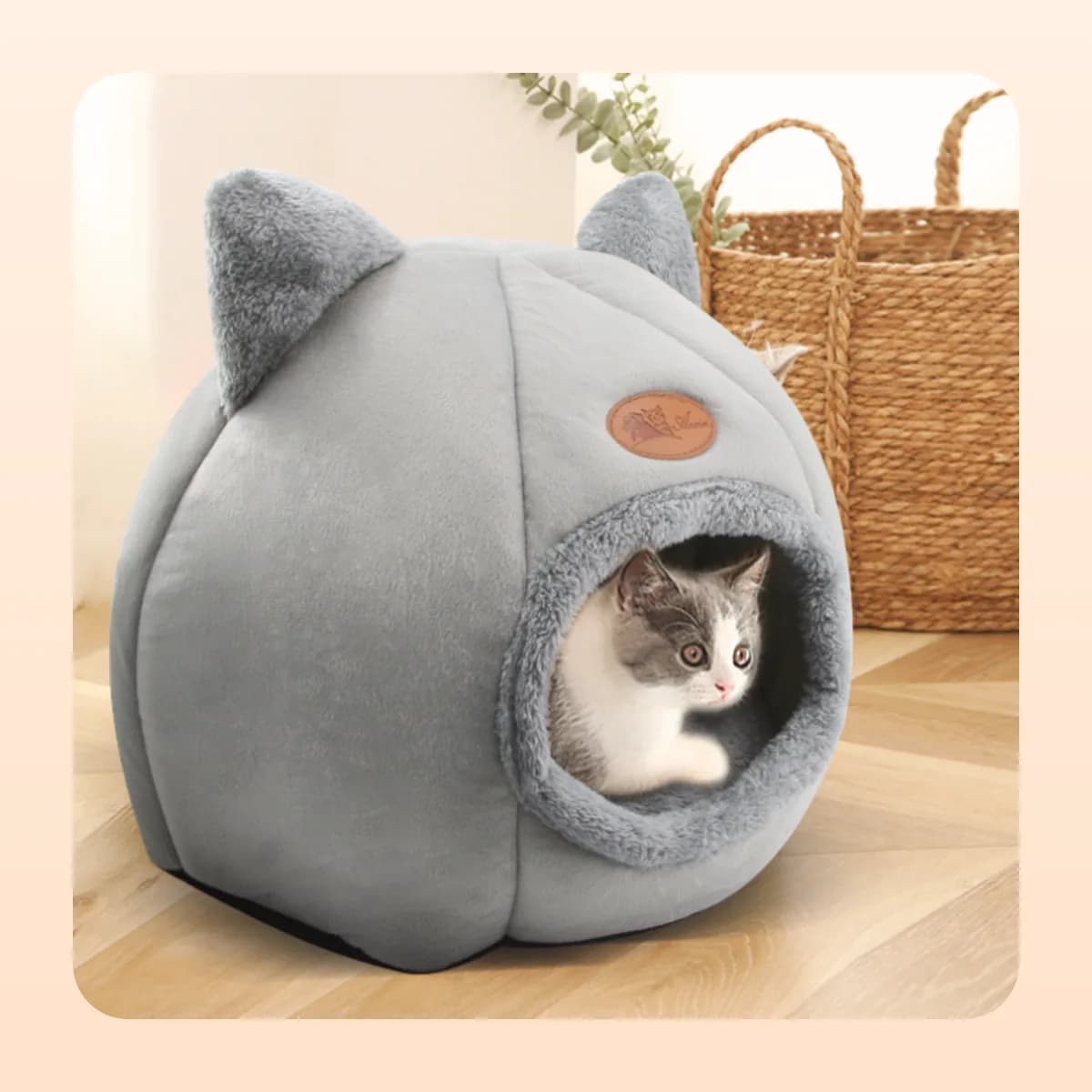
A cat chooses a spot by what it can see and what can approach it. A window perch works because it offers a view, warmth and a position above floor level with nothing able to come from behind. A cave or covered bed works for the opposite reason: full cover, one entrance, no surprises. Most cats want both options available and will move between them through the day.
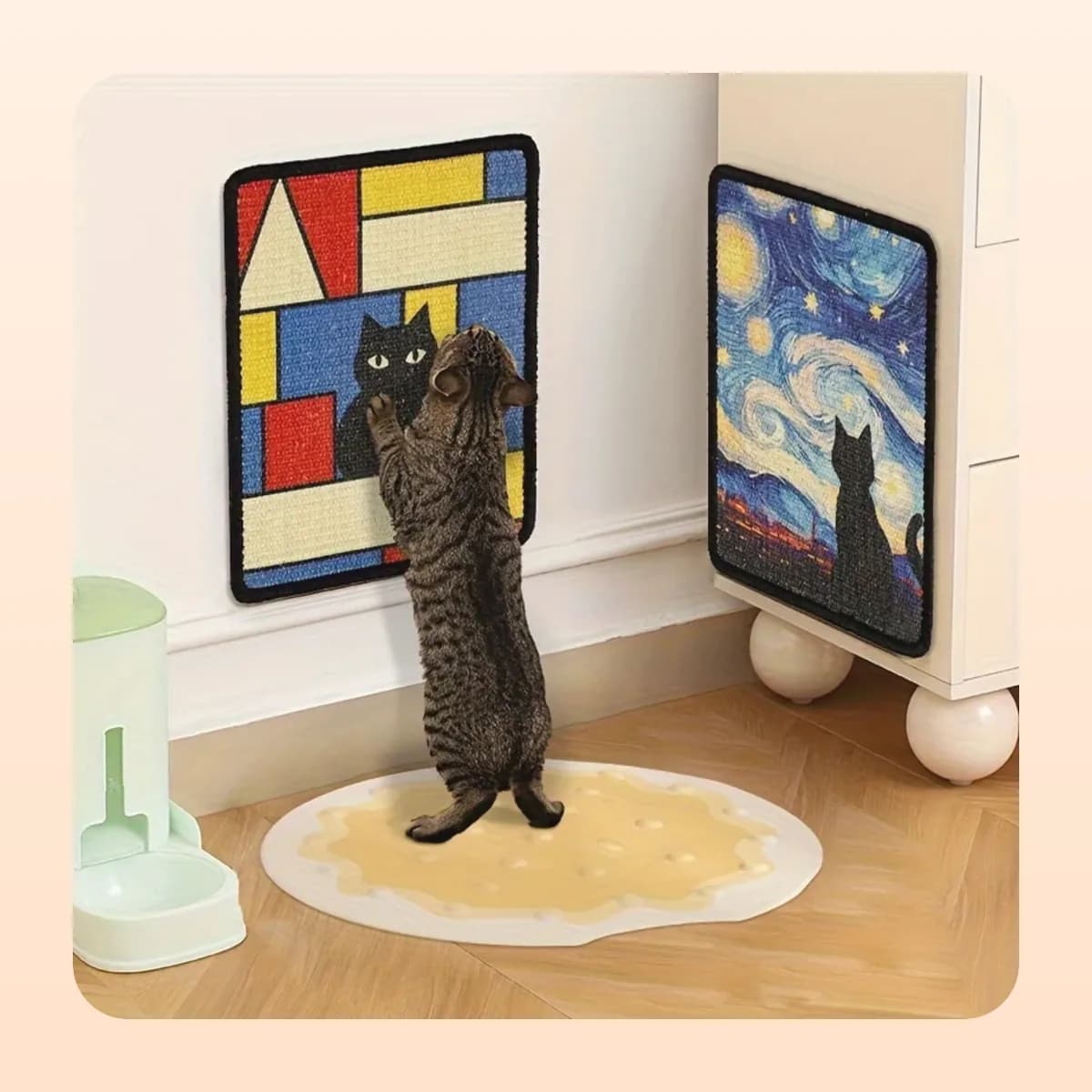
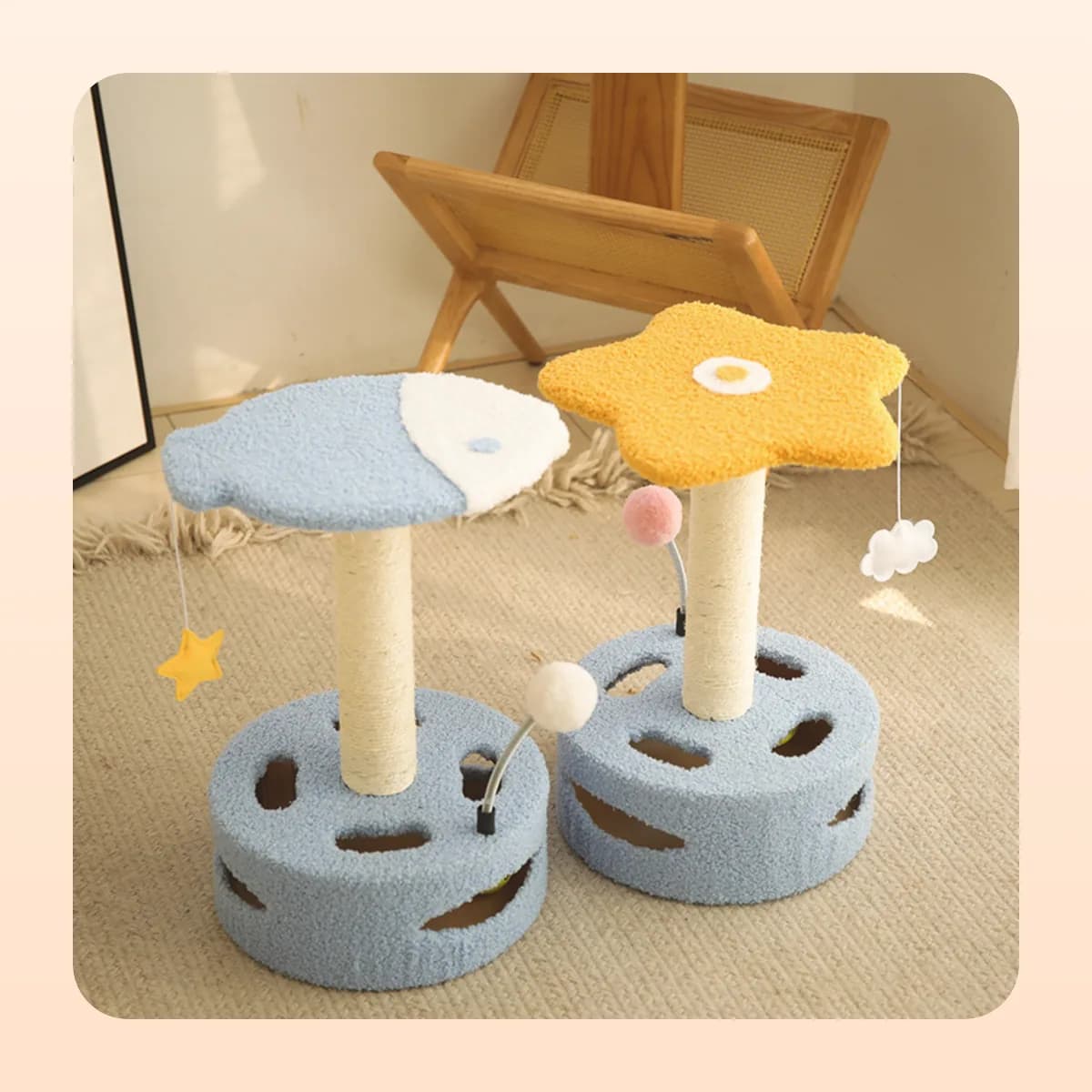
Scratching furniture is not optional. Scratching marks territory and strips the dead outer sheath from the claws, so a cat denied a post will use the sofa. Vertical posts must be tall enough for a full stretch and heavy enough not to rock, since a wobbling post gets abandoned after one attempt. Cats that scratch carpet want a horizontal pad instead, and plenty want one of each.
Put the scratching post beside whatever is currently being scratched, not in a quiet corner, then move it a few centimetres a week once it is in use. Put a dog bed where the family is, out of the through-draught but with a view of the doorway. Wash covers monthly at 60°C to keep dust mites and bedding odour down, and check the zip is on a removable cover rather than sewn shut.
When the filling no longer springs back. Press down hard with a flat hand: if it stays compressed, the bed has stopped supporting the dog. Solid foam typically lasts a few years, fibre filling often under one with a large dog.
Almost always the position. Try it somewhere higher, somewhere with a wall or corner behind it, or near a radiator. Sitting your own worn jumper in it for a few days helps because the smell is already familiar.
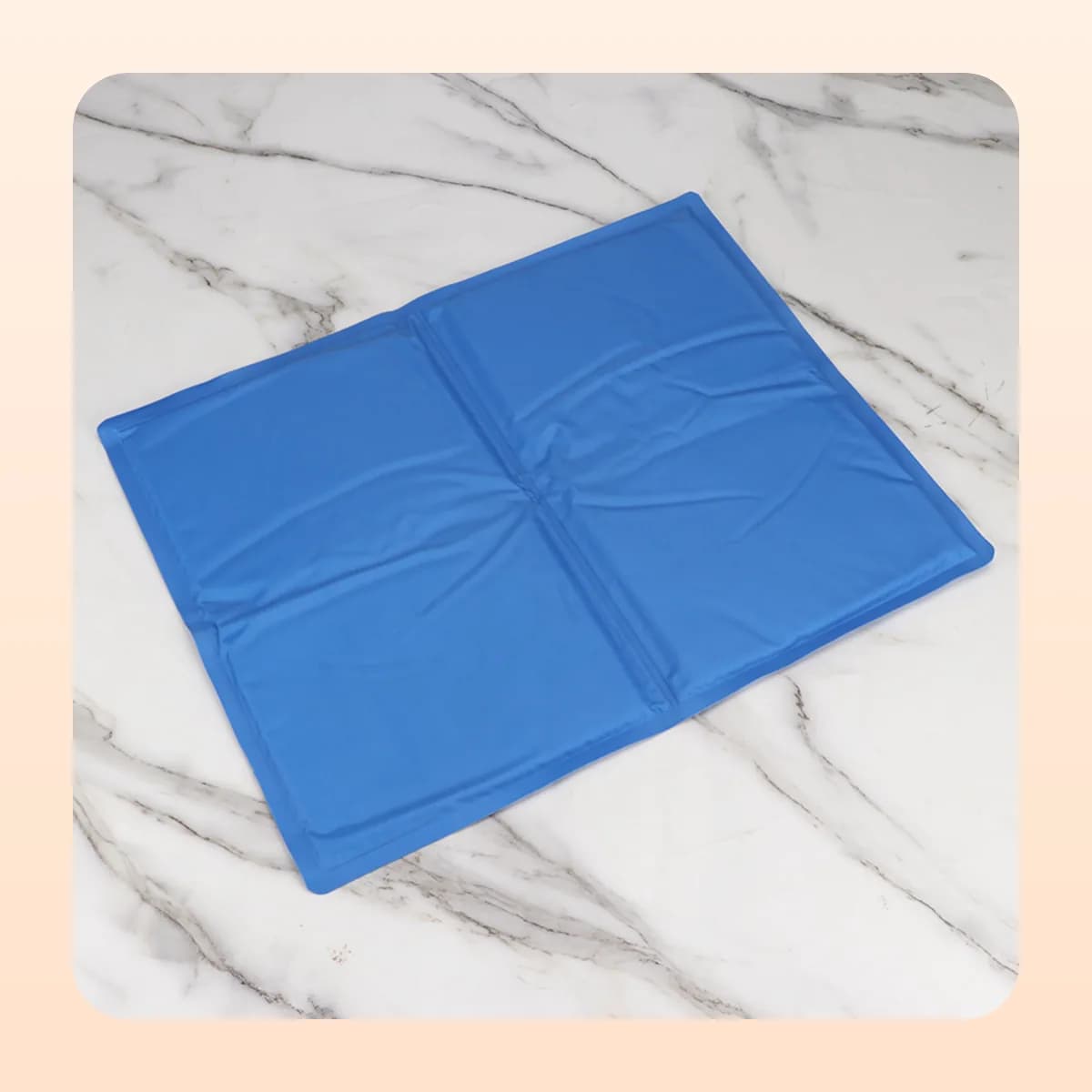
No. The gel activates under body weight and recharges by itself once the animal moves off. Keep it out of direct sun, and never put a puncture-prone gel mat in a crate with a dog that chews bedding.
Sisal rope, in most cases. It gives the resistance cats are looking for and wears predictably. Carpet on a post can confuse a cat that you are also asking to leave the carpet alone.
Watch how your dog sleeps before you buy. Sprawlers and curlers need opposite beds, and buying the wrong one is why it sits unused.
7 min read
Last reviewed August 30, 2026