The Kindral shop
Treat Dispensing Toys and Snuffle Mats
Treats are a training tool that happens to taste good. Used well they buy you attention in a distracting place and turn ten minutes of nose work into a genuinely tired dog. Used carelessly they quietly add a fifth to the daily calories. The equipment here is about the first use, not the second.
- Treats should stay under a tenth of daily calories
- Training treats want to be pea sized and swallowed instantly
- Snuffle mats and lick pads buy calm, not just food
- Anything that holds wet food must come apart to wash
6 products
The ten percent rule
Treats should account for no more than about a tenth of daily calories, with the rest coming from a balanced diet. That sounds generous until you count what actually goes in during a training session. The practical answer is to take the day's allowance out of the measured food and use that, so a training-heavy day does not become a calorie surplus.
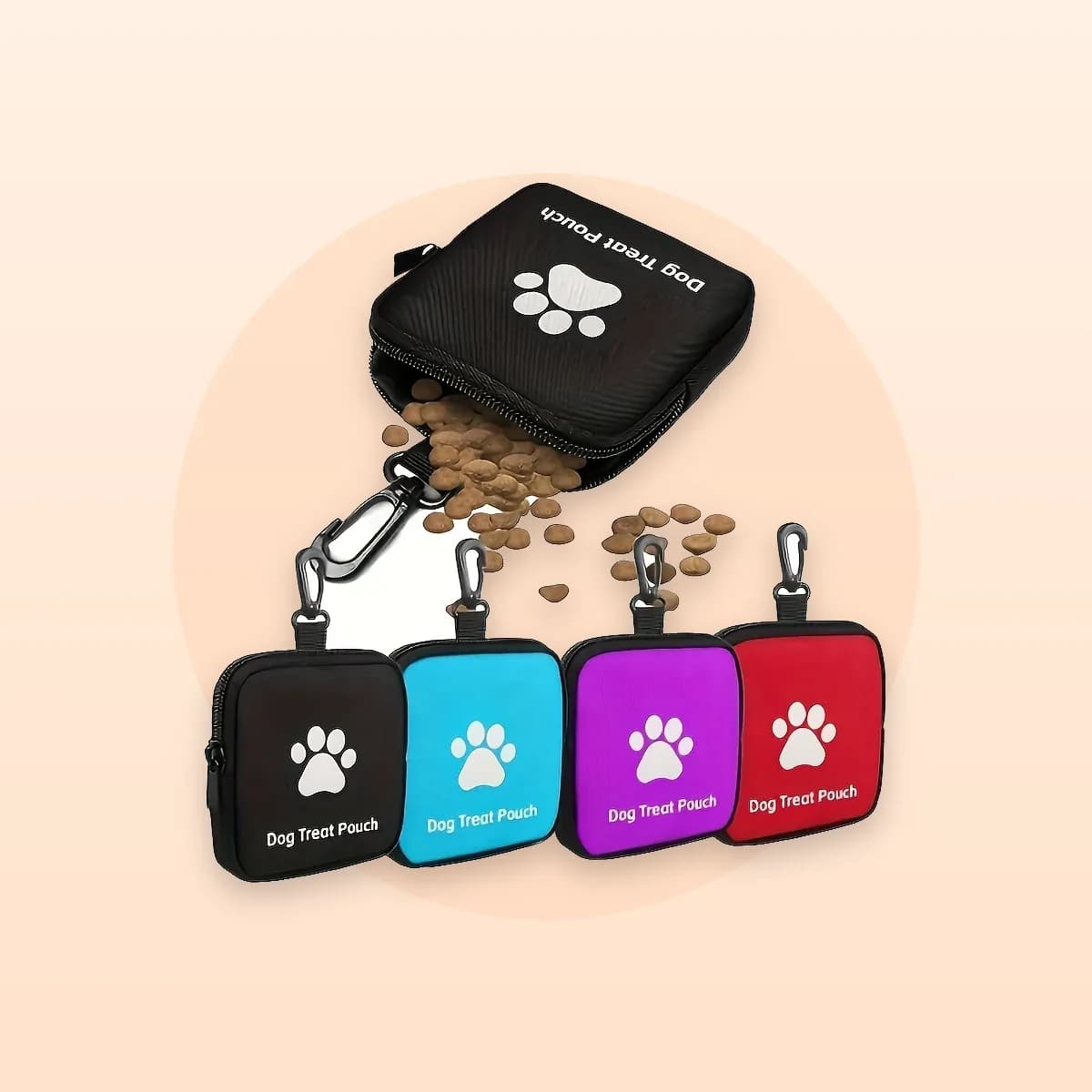
Size matters more than most people expect. A training treat should be about the size of a pea and gone in one swallow, because anything the dog has to chew breaks the rhythm and loses the moment you were rewarding. Save the large, long-lasting items for occupying a dog rather than for teaching it anything.
Food as an activity
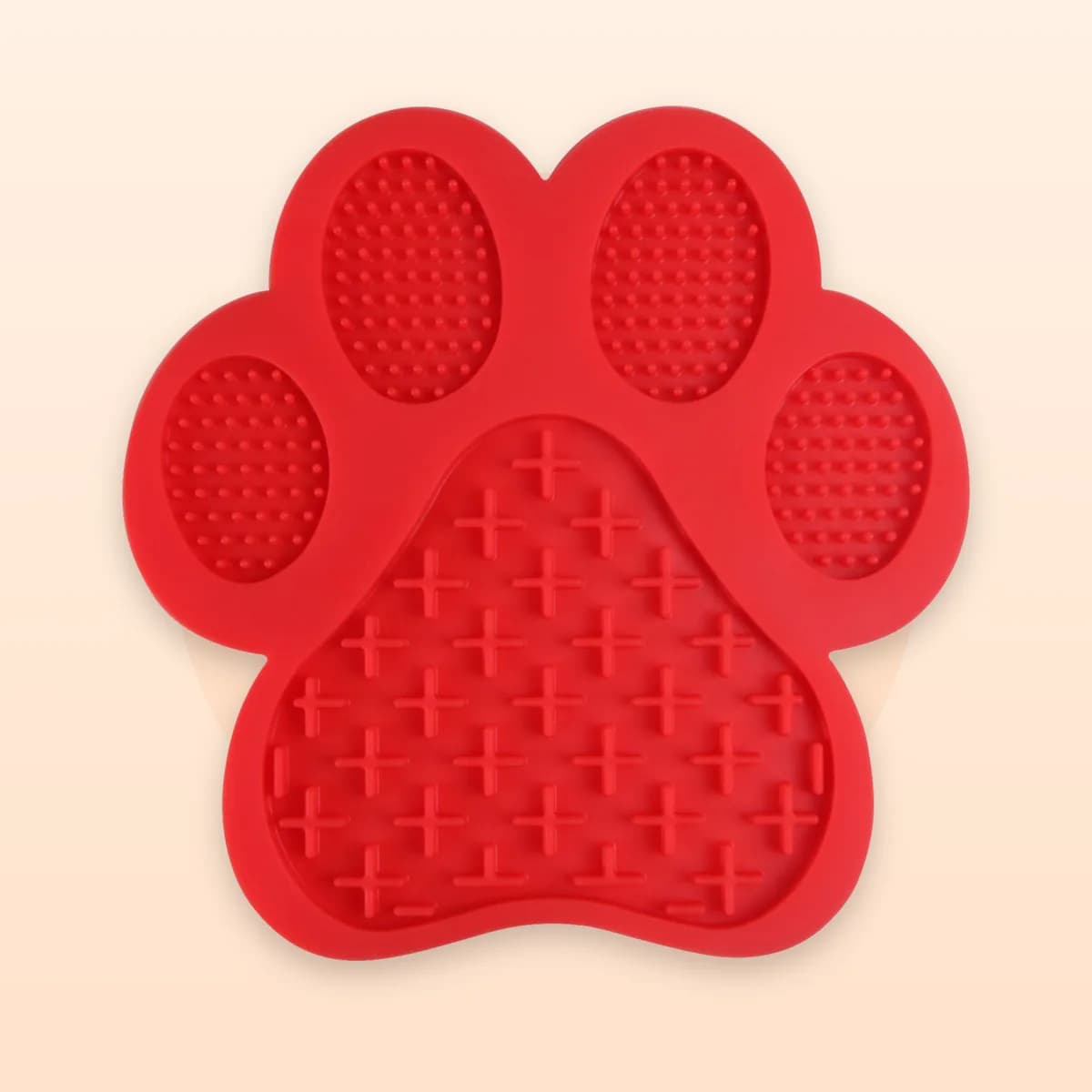
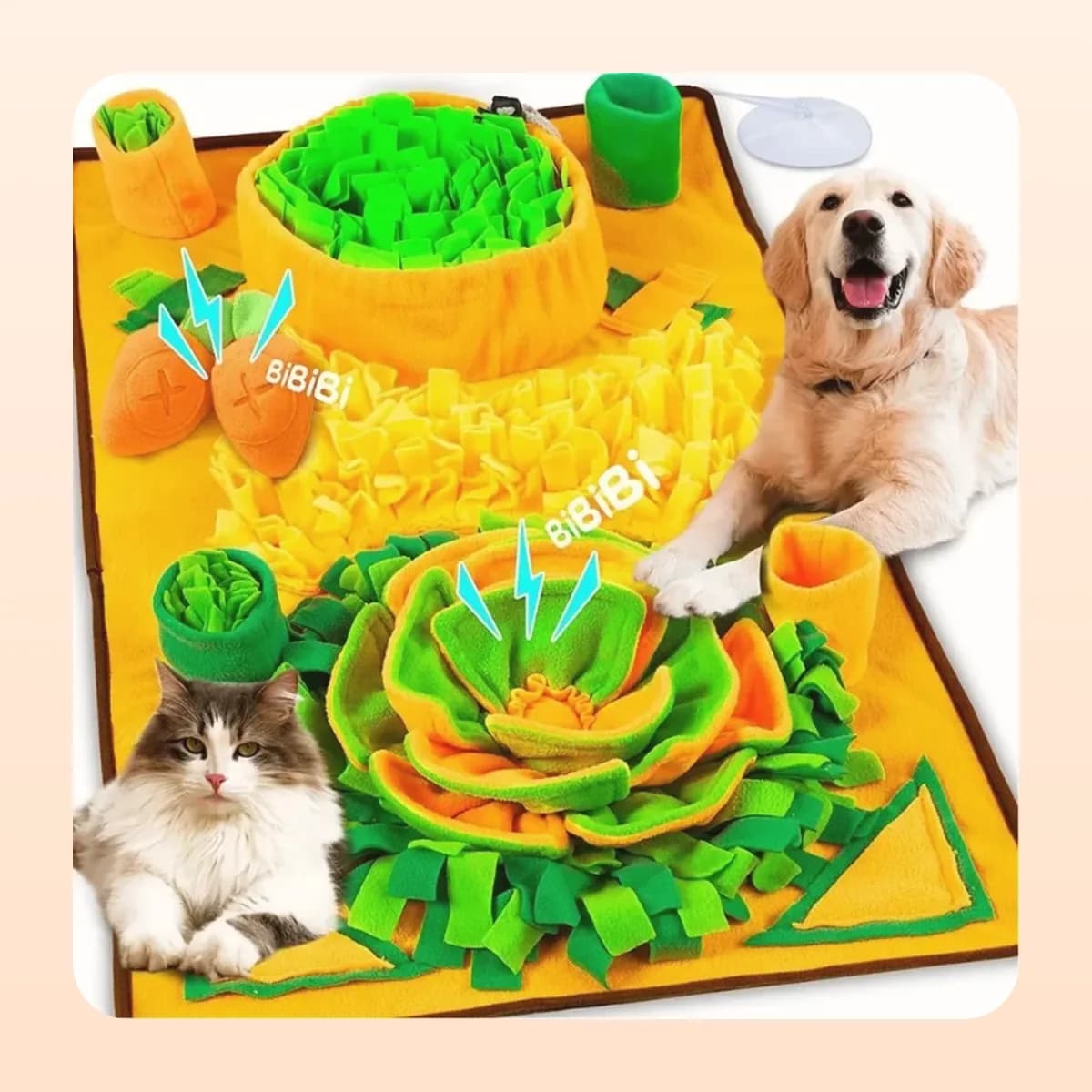
A snuffle mat hides dry food among fabric strips so the dog has to work with its nose to find it. Scent work is genuinely tiring in a way that a walk of the same length is not, which makes a mat useful on days when a dog cannot get out much, or for settling one that struggles to switch off. A lick pad does a different job: sustained licking is self-soothing, so a pad smeared with something wet turns a bath or a nail trim into a bearable few minutes.
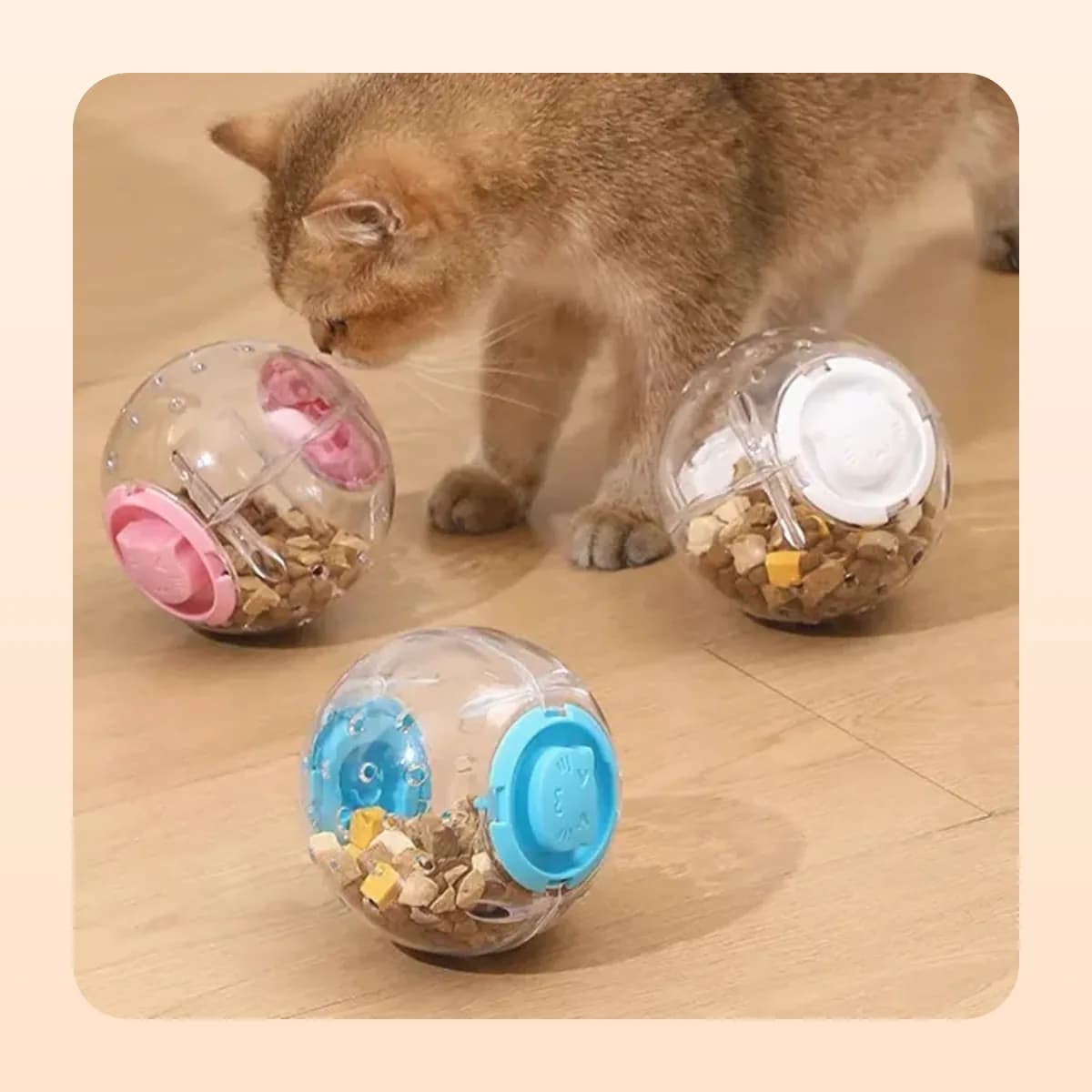
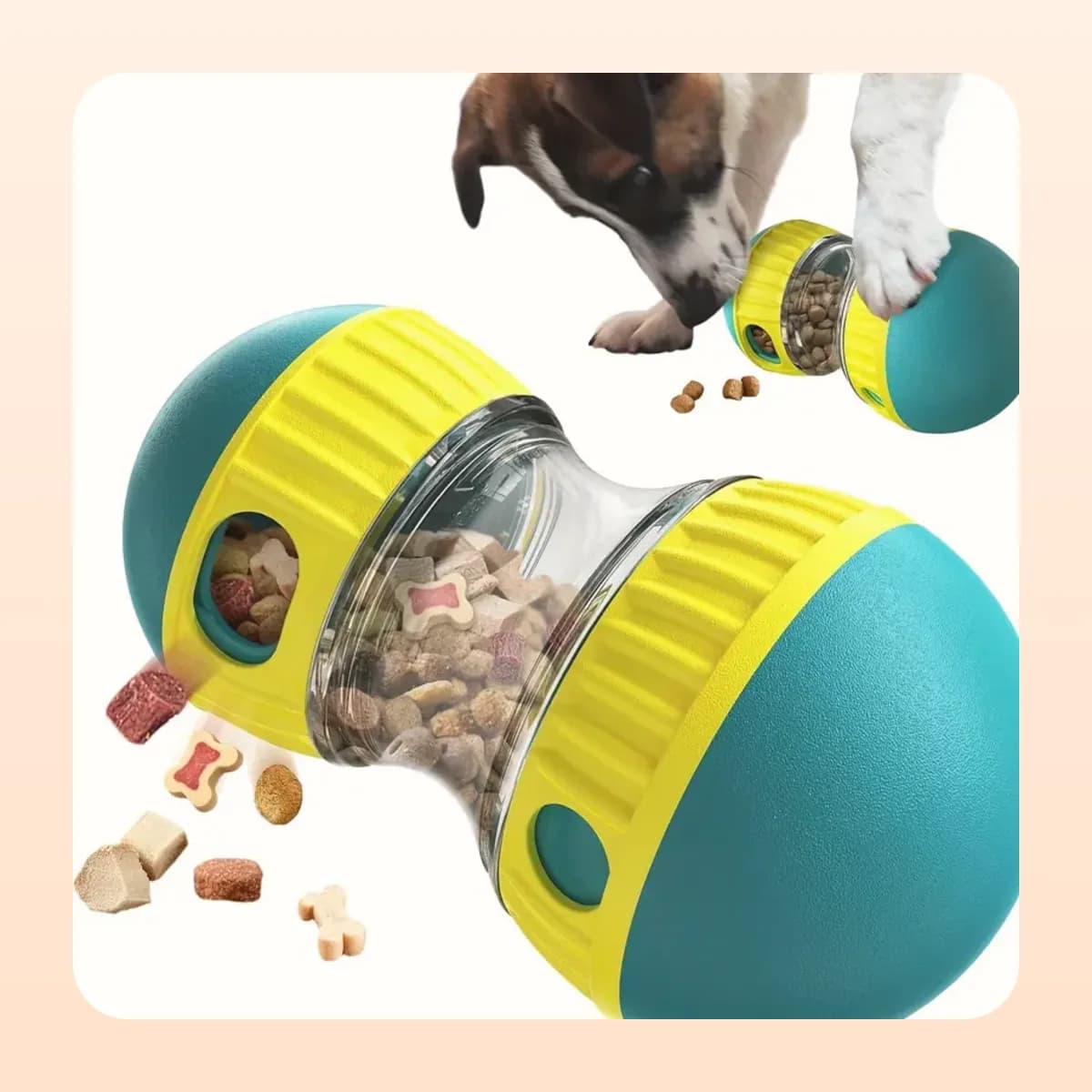
Treat-dispensing balls and puzzle feeders sit between the two. Start any of them easy enough that the dog succeeds within a minute, then tighten the difficulty. A dog that fails at the first attempt walks away and you conclude it dislikes puzzles, when what happened is that the first puzzle was too hard.
Homemade, and what to keep out
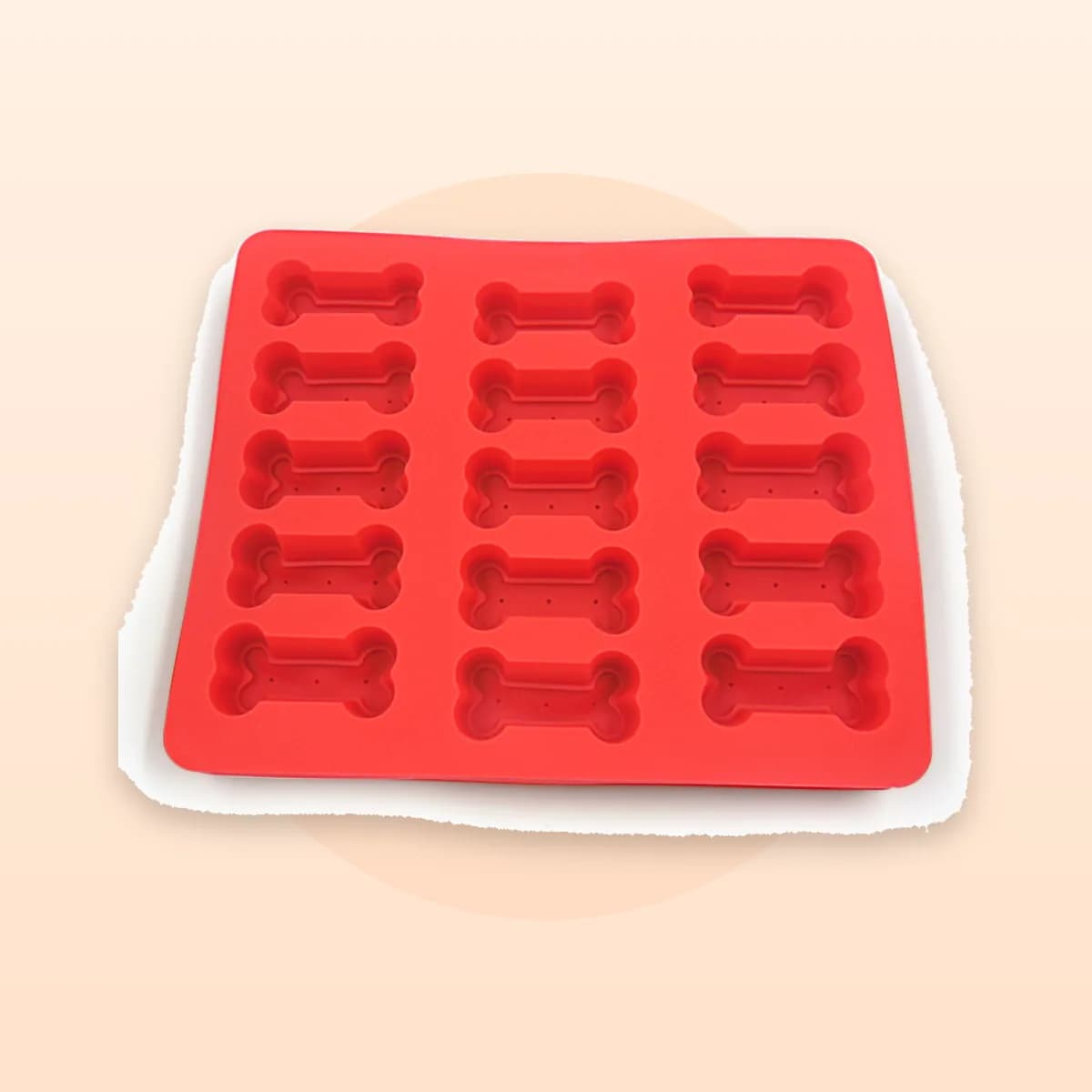
A silicone mould turns whatever you choose into a consistent treat: blended wet food, plain natural yoghurt, wet food thinned with water, all freeze well and last longer frozen. The advantage is knowing exactly what has gone in, which matters for a dog on an exclusion diet or one that reacts to a common protein.
Common questions
Above roughly a tenth of daily calories. The simplest way to stay under it is to weigh out the day's food in the morning and use part of that for training rather than adding treats on top.
Wet dog food, plain natural yoghurt, mashed banana or pumpkin purée all work. Avoid anything containing xylitol, chocolate, grapes, raisins, onion or garlic, and check sugar-free peanut butter labels carefully.
Machine wash cool and air dry, roughly monthly or sooner if you use anything greasy in it. Crumbs left in the fabric go stale and the dog stops bothering with it.
Usually it is set too hard, or it has become too easy and predictable. Change which compartments are loaded each time, and adjust the difficulty so it takes a few minutes rather than seconds or forever.
Last reviewed August 30, 2026