Fish & Aquariums
How to Cycle a New Aquarium (Fishless, Step by Step)
Most new tanks fail in the first month for one reason. Cycling fixes it, takes three to six weeks, and costs about the price of a test kit.
9 min read
The Kindral shop
Maintaining a tank is a short weekly job done properly, not a big clean done occasionally. Water changes export the nitrate that builds up between them, and a stable temperature keeps fish out of the stress that precedes most disease. These are the tools for both.
6 products
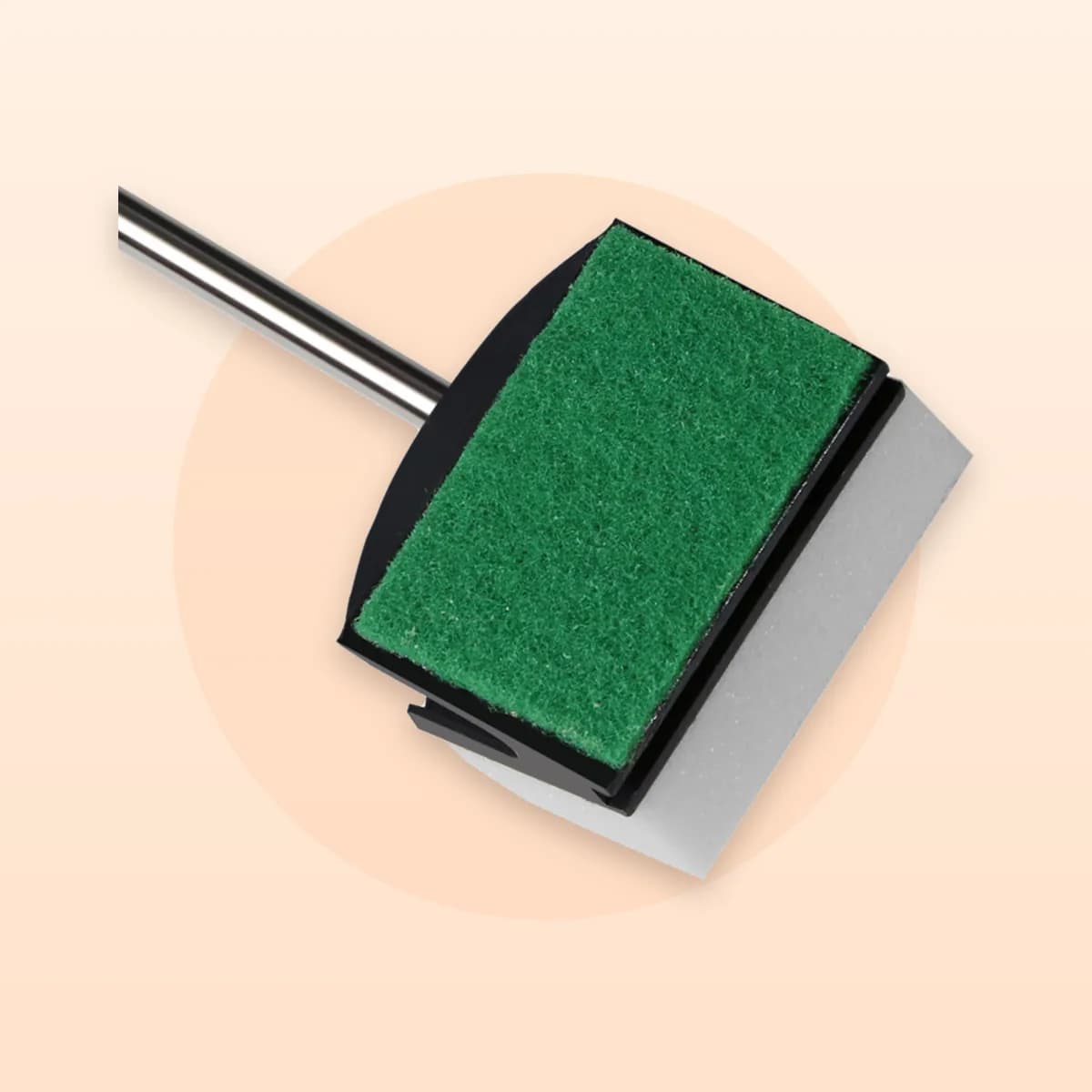
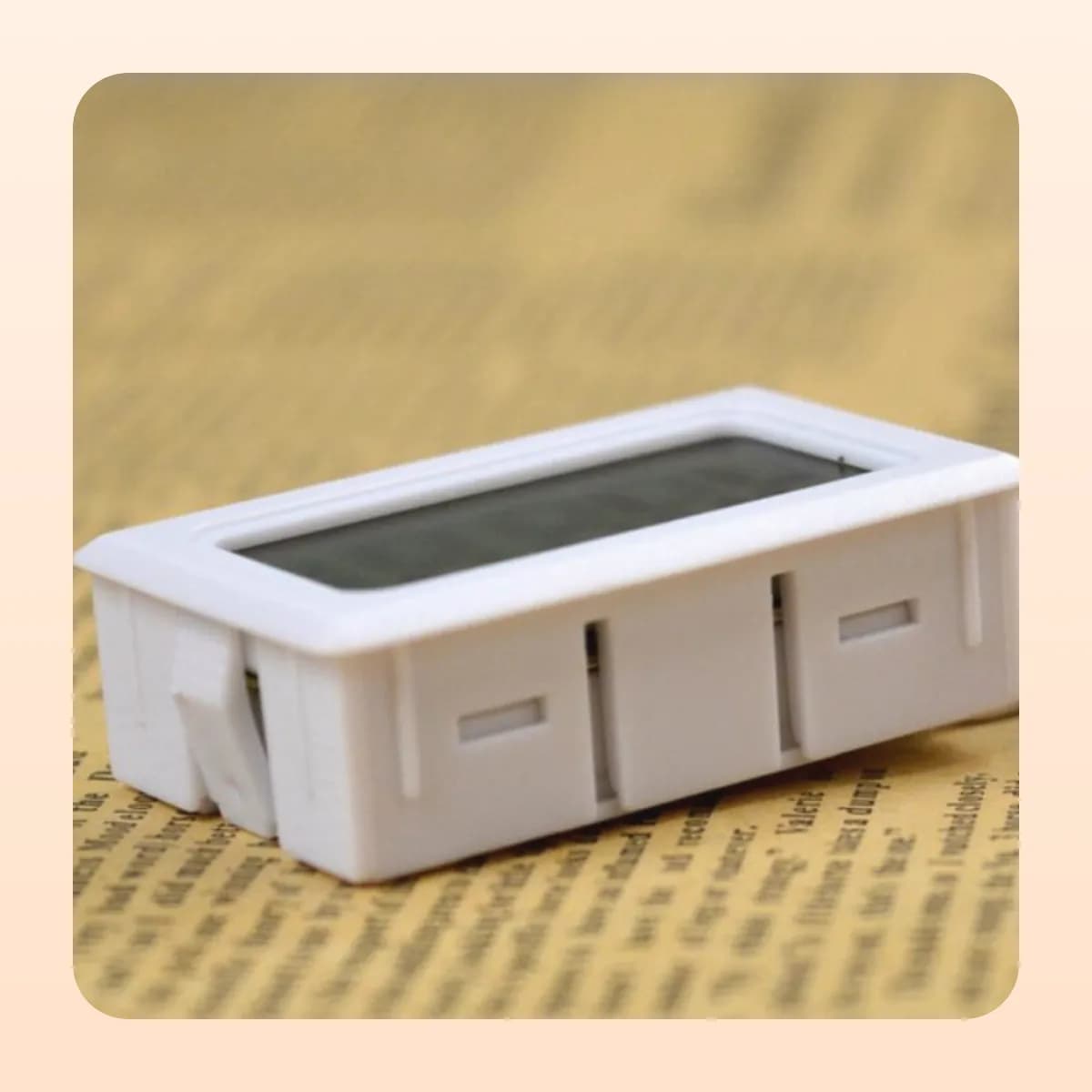
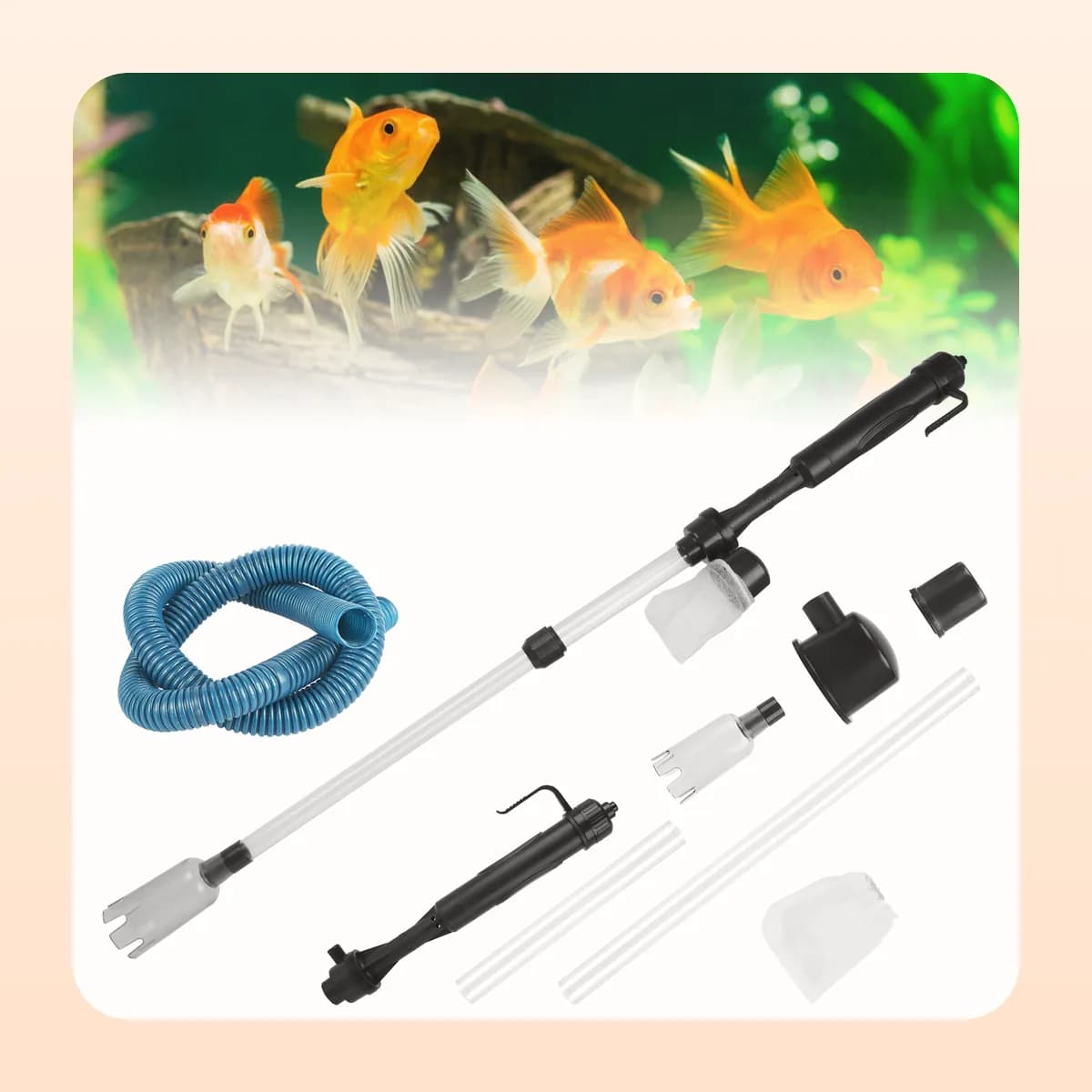
Twenty to thirty percent once a week suits most stocked freshwater tanks. The purpose is to export nitrate, which the filter produces and cannot remove, along with the dissolved organics that gradually accumulate. Small and regular beats large and occasional, because a big change swings the water chemistry sharply and that swing is itself a stressor.
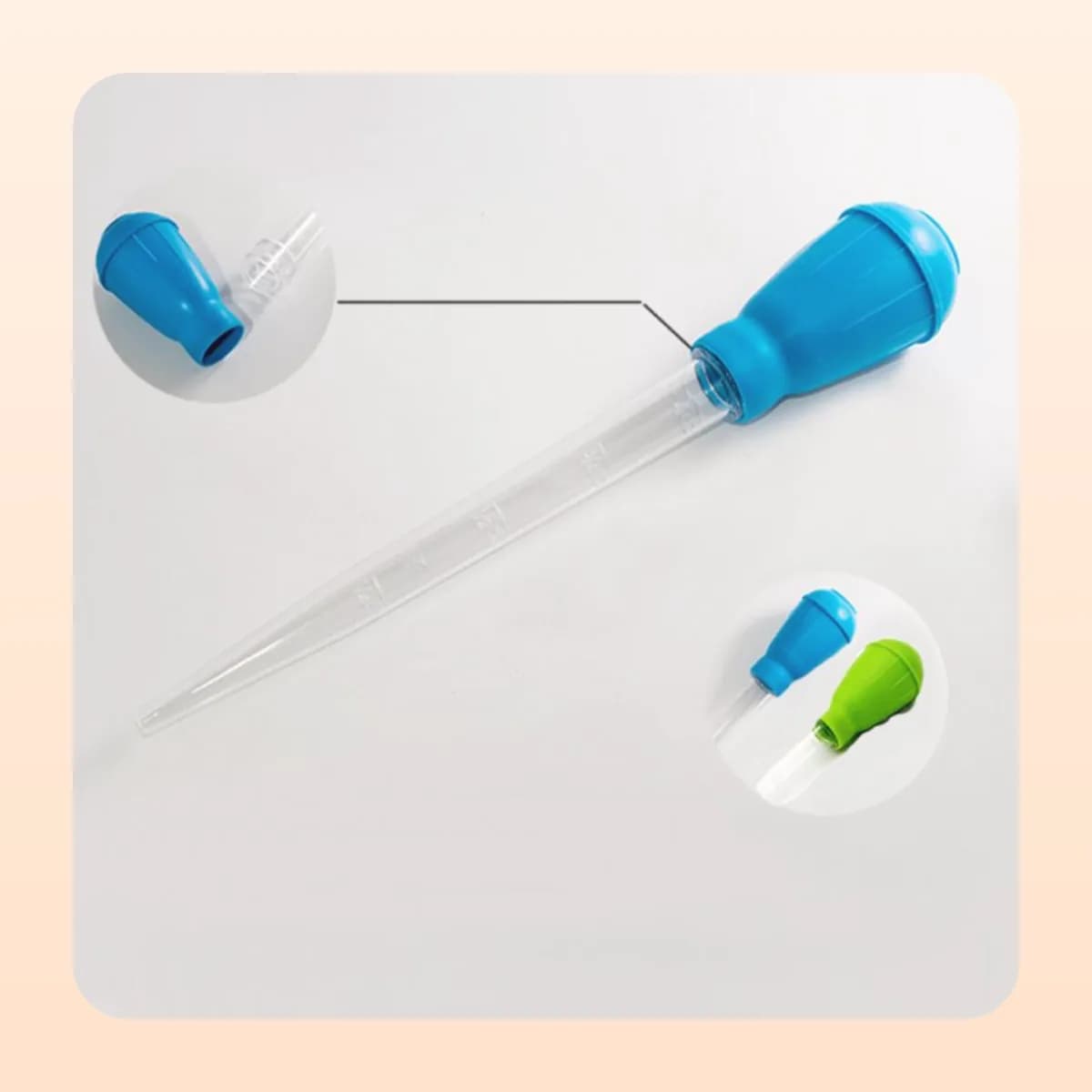
Draw the old water out through a gravel vacuum so the siphon does double duty: it lifts the waste that has settled into the substrate at the same time as it removes the water. Work over a different third of the floor each week rather than the whole tank, which keeps the disturbance down and still covers everything monthly.
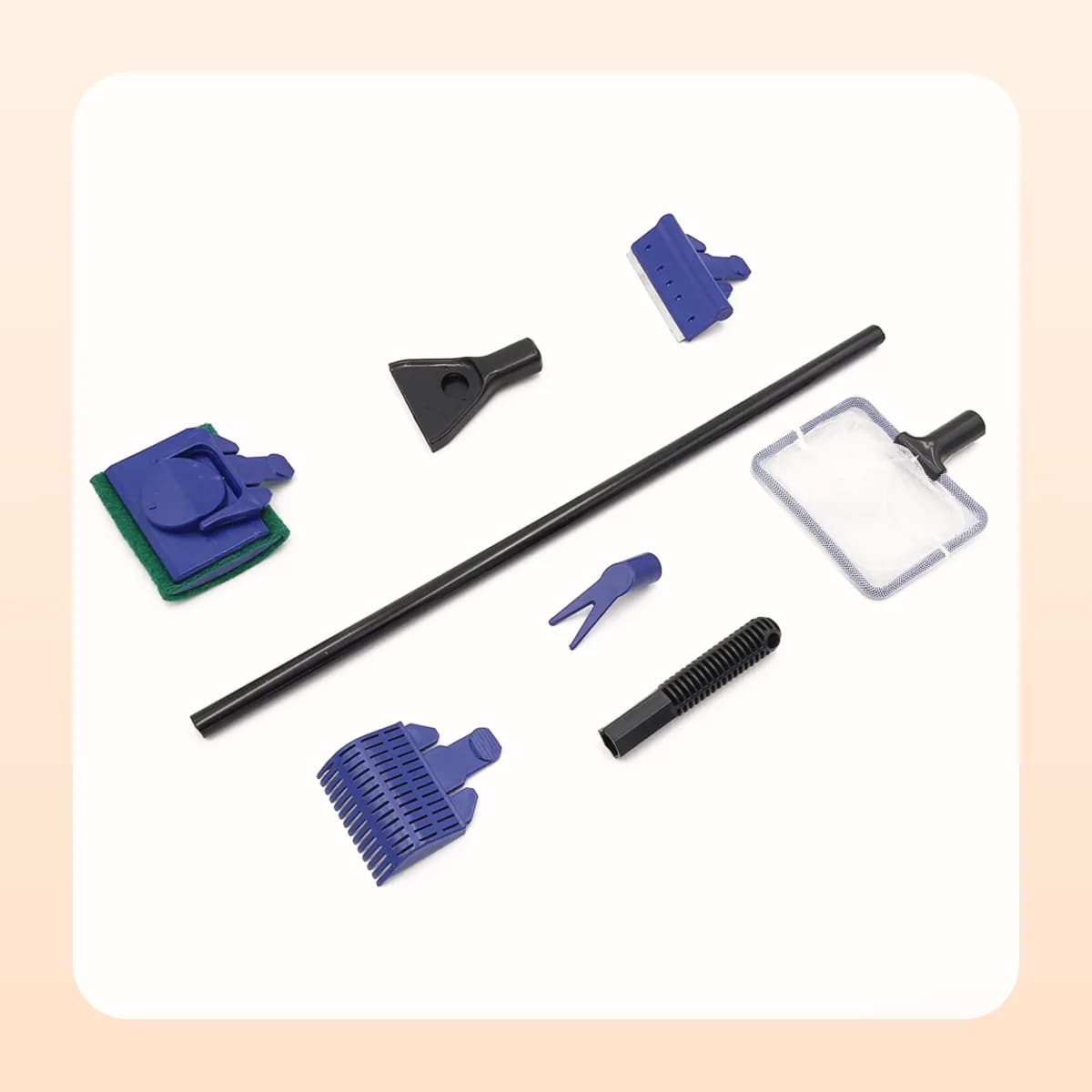
Some algae is normal and a completely spotless tank is usually a very new one. A magnetic or long-handled scraper cleans the glass without wetting your arm to the shoulder, and a stiff pad handles the harder green spot algae that a soft sponge slides over. Clean the glass before a water change so the debris you loosen leaves with the old water.
A sudden bloom points at a cause rather than a cleaning failure. The usual culprits are too many hours of light, direct sunlight on the tank, or nutrients from overfeeding. Fix the cause and the algae stops returning; scrub without fixing it and you will be scrubbing again next week.
Heater thermostats drift, and the dial on the unit is a setting rather than a reading. A separate digital thermometer tells you what the water is actually doing, which is how you catch a heater that has stuck on before it cooks the tank. Check it at the same time each day, since a stable temperature matters more than any particular number within the species range.
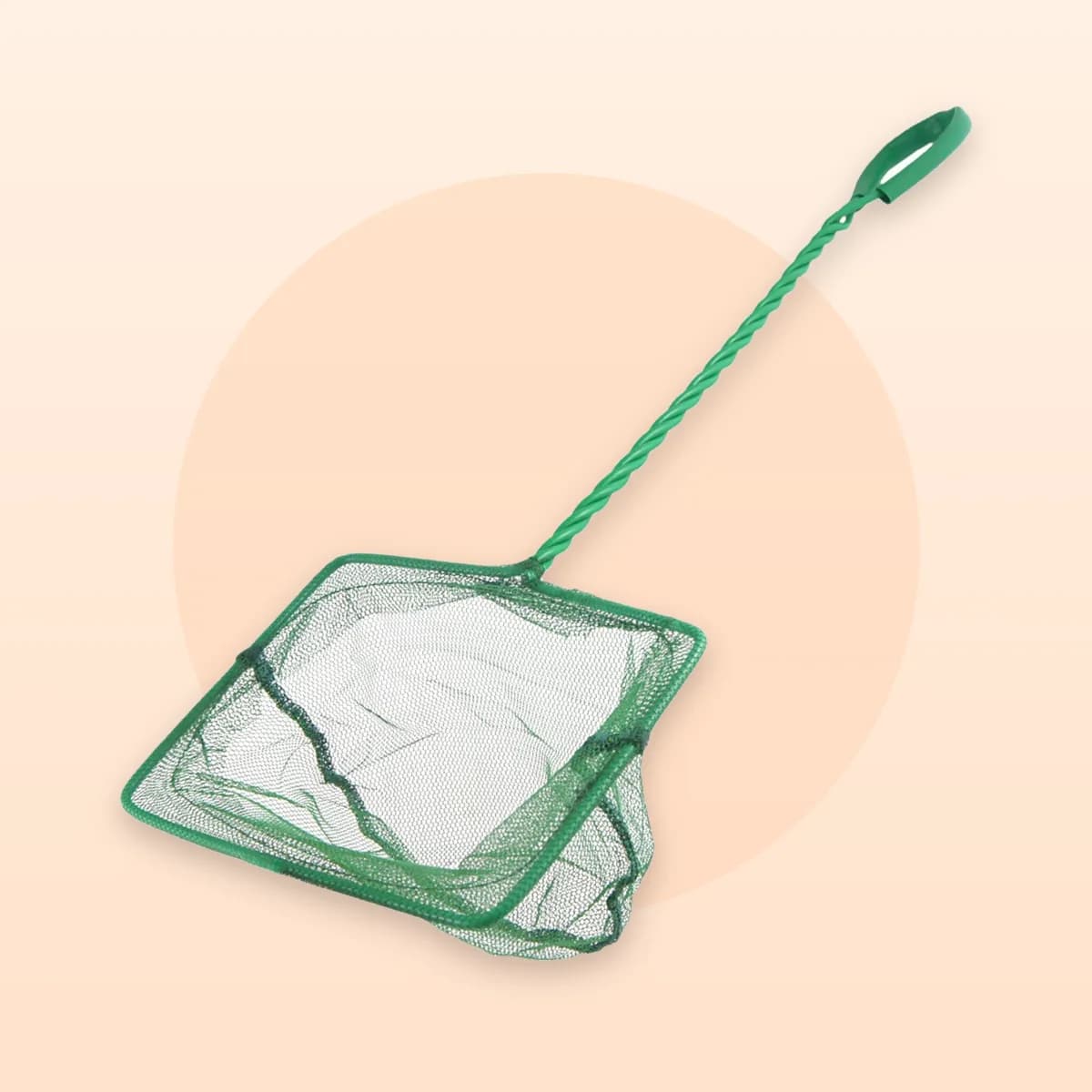
Avoid netting fish where you can, because chasing one round a tank is more stressful than whatever you were trying to achieve. When you must, use the largest net that fits, guide the fish into it with your other hand rather than pursuing it, and keep the time out of water to a few seconds. A telescopic handle saves reaching into the far corner and knocking the hardscape over.
Twenty to thirty percent weekly for most stocked tanks. Heavily stocked tanks may need more, lightly stocked planted tanks less. Test nitrate to find your own figure rather than guessing.
Better not. Doing both at once removes a lot of bacterial surface in one go. Vacuum during the weekly change and rinse the filter media separately, a week or two apart.
Usually fine substrate stirred into suspension, which settles within a day. Cloudiness that appears a few days after adding fish is more likely a bacterial bloom, meaning the filter is catching up with a new load.
No, and you should not. Netting and moving fish is far more stressful than a routine water change with them in place. Work calmly and leave them where they are.
Most new tanks fail in the first month for one reason. Cycling fixes it, takes three to six weeks, and costs about the price of a test kit.
9 min read
Last reviewed August 30, 2026