Birds
Bird Cage Size Guide: Minimums by Species
Width beats height, bar spacing is a safety issue rather than a preference, and the 'minimum' on the box is usually a sleeping cage.
7 min read
The Kindral shop
A cage is furnished badly more often than it is too small. Birds stand on their feet every hour they are awake, and a cage fitted out with identical smooth dowels gives them one grip position for life. Varying the diameter and texture of what they stand on is the single biggest welfare change available.
5 products
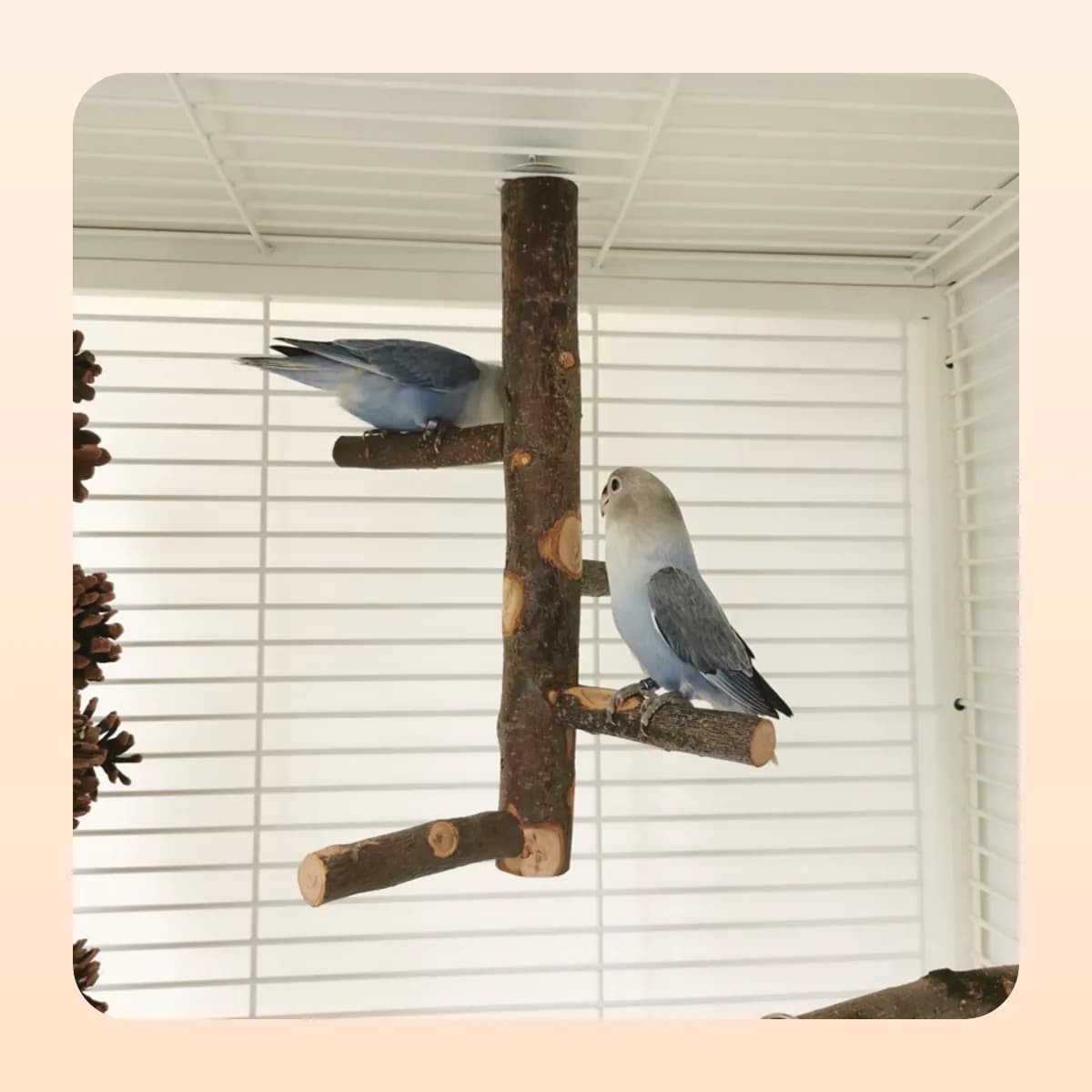
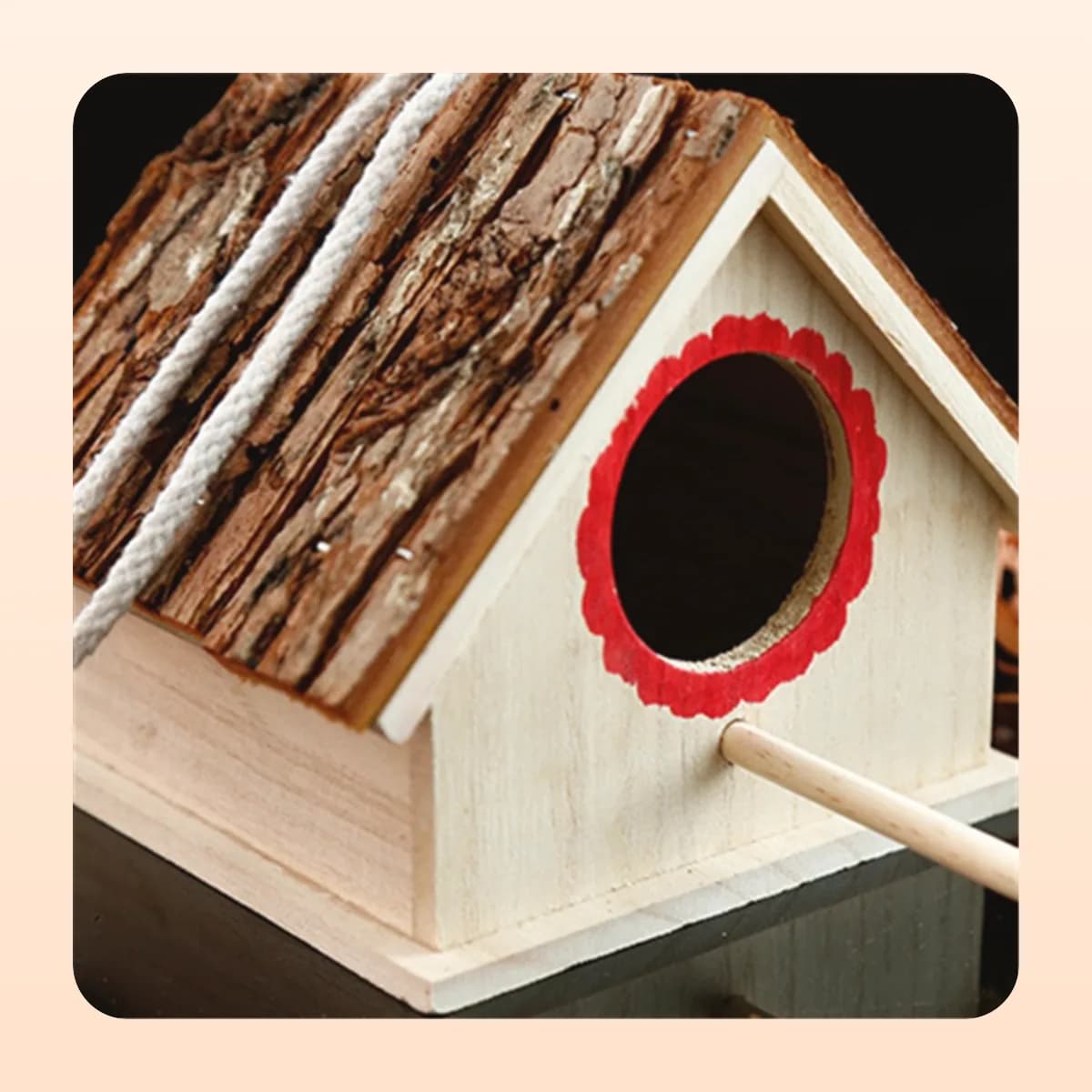
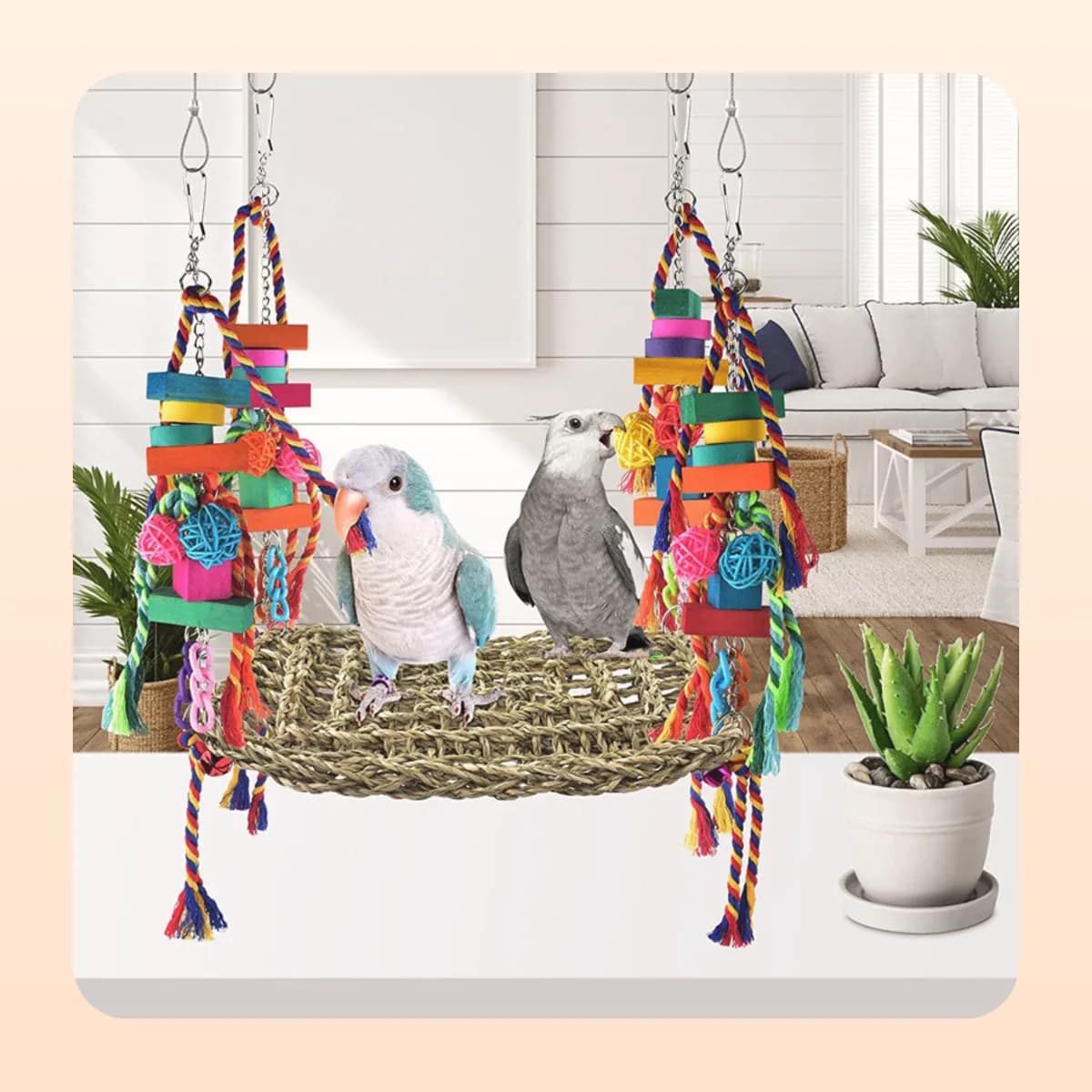
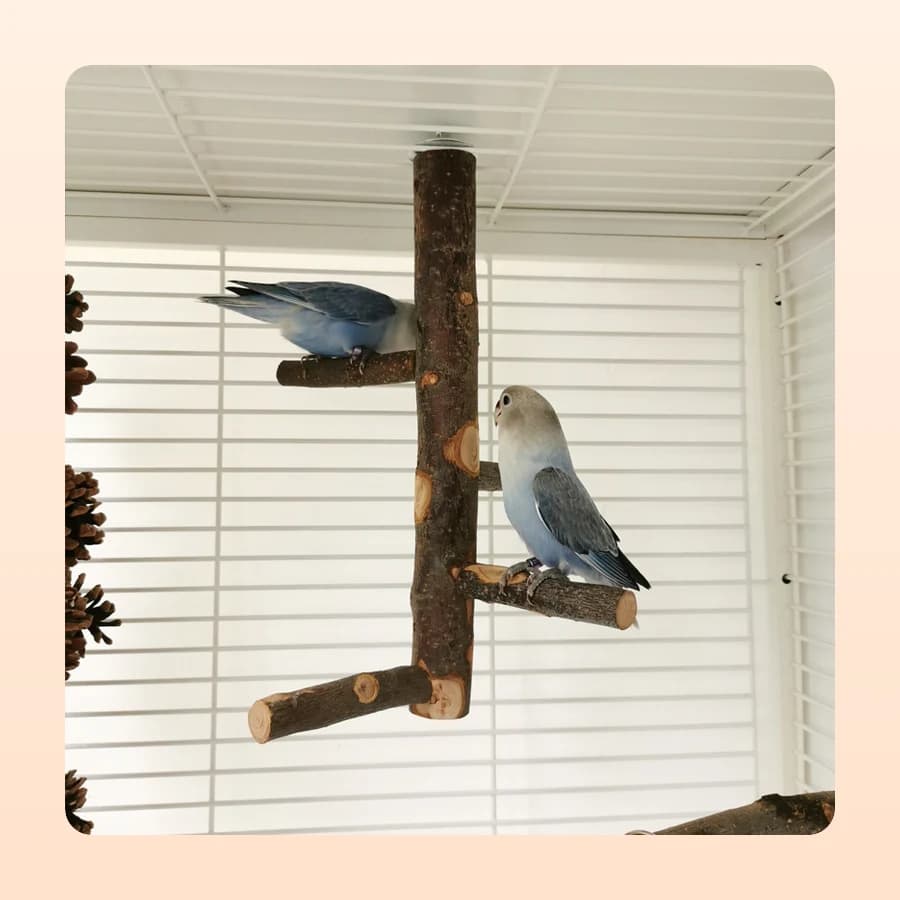
A perch is the right thickness when the bird's toes wrap around roughly three quarters of it and do not meet underneath. Too thin and the foot clenches permanently; too thick and it cannot grip. The problem with a cage of matched dowels is not that any one is wrong, but that every one is the same, so the foot holds an identical position all day and pressure sores develop on the same points.
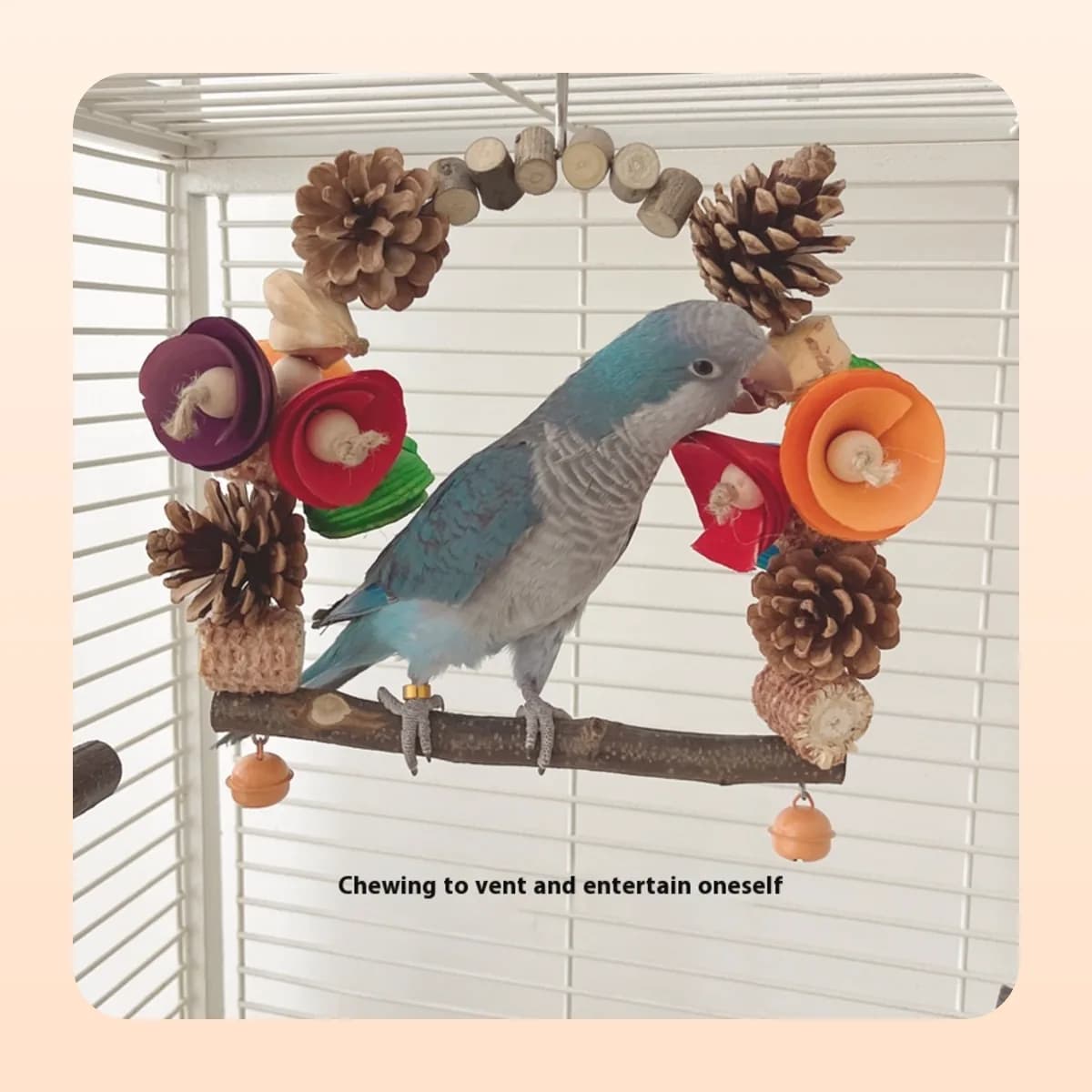
Natural branch solves this by being irregular. Apple, willow and other untreated hardwoods taper and bend, so the bird gets a different grip depending on where it lands. Add a rope or fabric perch and a swing that moves underfoot, and you have covered most positions. Sandpaper perch covers are the one thing to avoid outright, since they abrade the sole without shortening the nail.
Width matters more than height for most companion birds, because budgies, cockatiels and parrots fly horizontally rather than hovering. Fit perches at both ends so there is a genuine flight between them, and leave the middle of the cage clear rather than filling it with toys. A cage crowded from wall to wall is functionally smaller than an emptier one of the same size.
Position matters as much as quantity. No perch should sit directly above a food or water dish, and every perch needs enough clearance behind it for the tail to hang without brushing the bars, because a bird that cannot avoid the bars ends up with a worn, ragged tail. Climbing nets and ladders turn vertical bar space into usable floor.
A nest box gives a dark enclosed cavity, which is what triggers nesting behaviour. That is what you want if you are deliberately breeding and what you do not want otherwise, since a lone hen given a box may start laying unfertilised eggs, and repeated laying drains calcium. If you are not breeding, offer a covered sleeping perch instead.
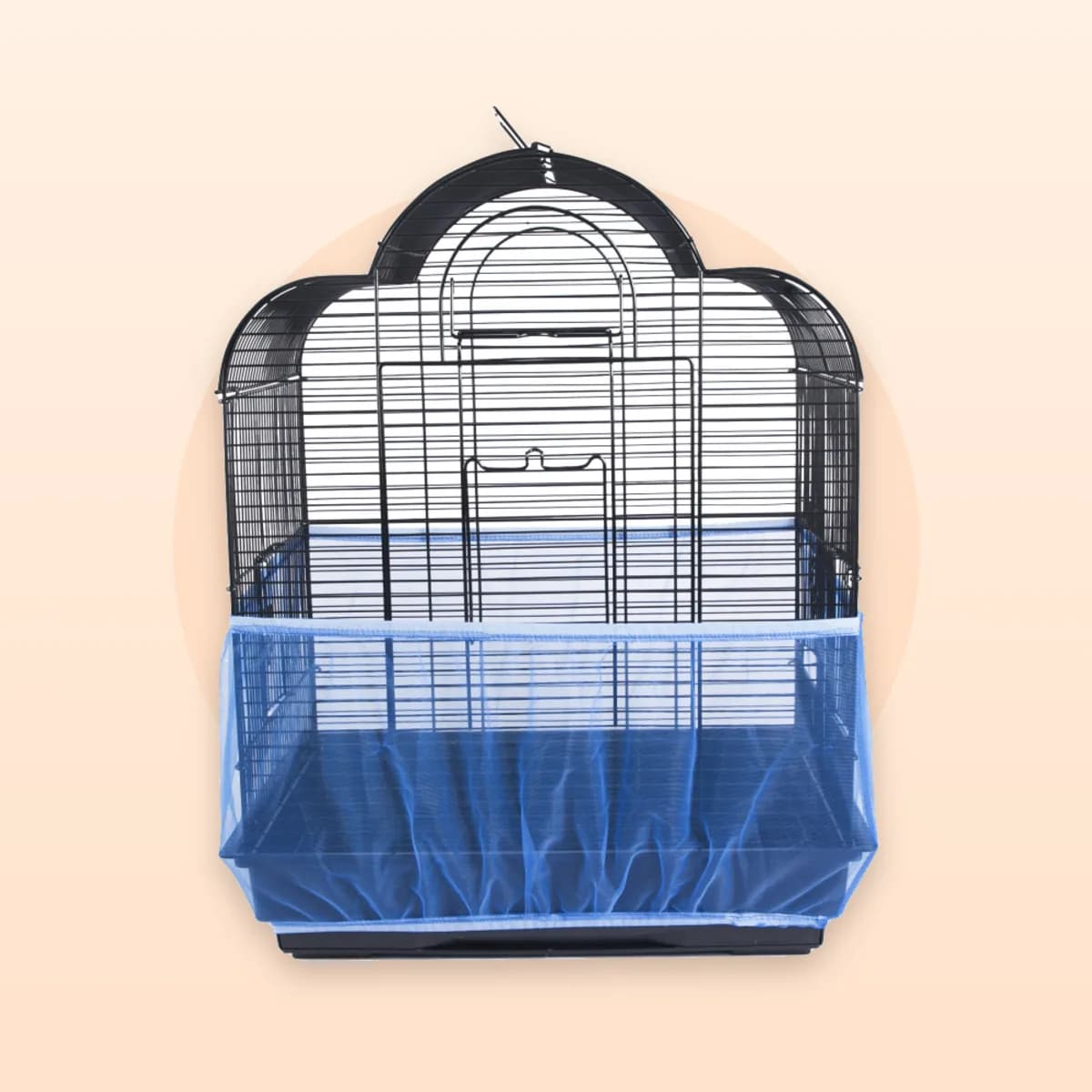
Seed husks travel further than new owners expect. A mesh skirt around the lower cage catches most of it, and it is far easier to shake out weekly than to vacuum a room daily. Replace natural wood perches when they become soiled or start to soften, since bare wood cannot be disinfected the way a moulded perch can.
One where the toes wrap about three quarters of the way round without meeting. Budgies suit roughly 12 mm, cockatiels around 16 to 20 mm, larger parrots more. Fit several diameters rather than one correct size.
At least three, at different heights and of different materials, positioned so the bird can fly or hop between them. Keep the middle of the cage clear so there is room to move.
Only if you intend to breed. A box can trigger egg laying in a lone hen, and repeated laying drains calcium and risks egg binding. Use a covered sleeping perch if you just want somewhere sheltered.
No. They wear the sole of the foot rather than the nail and can cause sores. A rough natural perch or a purpose-made grooming perch placed low in the cage is the safer approach.
Width beats height, bar spacing is a safety issue rather than a preference, and the 'minimum' on the box is usually a sleeping cage.
7 min read
Last reviewed August 30, 2026