Fish & Aquariums
How Many Fish Can I Put in My Tank? Honest Stocking Guide
The inch-per-gallon rule has killed more fish than any other piece of aquarium advice. Here's what to use instead.
8 min read
Surface area for the bacteria doing the real work.
Aquarium filtration is not straining dirt out of water. It is housing the bacteria that convert ammonia into something far less poisonous, and those bacteria live on surface area.
Taxes calculated at checkout
Why you'll love it
Sponge and floss catch dirt, which is the visible half of the job. The invisible half is the bacterial colony converting ammonia to nitrite and nitrite to nitrate, and that colony needs somewhere to live. That is all this is.
A litre of gravel and a litre of sintered ceramic hold wildly different colonies, because the ceramic is porous the whole way through. It is the internal surface you are buying, not the bag.
The commonest fishkeeping mistake is washing media under the tap and wiping out the colony. Squeeze it in water drawn from the tank during a change, and put the same media back. It should last years.
Good fit if
Look elsewhere if
Fish excrete ammonia, which is toxic at very low concentrations. One group of bacteria converts it to nitrite, which is also toxic, and a second group converts nitrite to nitrate, which is far less harmful and is removed by water changes. That chain is what a filter exists to support.
Those bacteria are not free-floating; they live attached to surfaces, and the number a tank can support is limited by how much colonisable area the filter provides. That is what bio media is: not a strainer, but accommodation.
A smooth object offers only its outer surface. Sintered ceramic is riddled with pores, so the actual area available is many times what the shape suggests, and a handful of rings can offer more colonisable surface than a large block of foam.
Hollow rings add flow through the middle as well as around the outside, which matters because bacteria need oxygenated water passing over them. Media packed so tightly that water channels around it rather than through it is doing much less than it appears to, so leave room for flow rather than cramming the chamber full.
Order matters inside a filter too. Water should meet mechanical media first, so foam and floss catch the solid debris, then pass over the biological media. Bio media placed first clogs with detritus, and clogged pores are pores no longer hosting bacteria, which wastes most of what you paid for.
New media is sterile and takes several weeks to colonise. Adding it is fine at any time, since you are increasing capacity rather than replacing anything. What causes problems is removing established media at the same time, which throws away the existing bacterial population.
If you are replacing old media that has crumbled, swap no more than a third at a time and leave several weeks between changes. The remaining two thirds seeds the new material. Doing it all at once effectively restarts the cycle, and ammonia will climb while the tank recovers.
In the box
How it works
Shop by pet or category to find exactly what your cat or dog needs, no wading through thousands of listings.
Check out securely with card, PayPal or one-tap Apple Pay & Google Pay. Free delivery over $59.
Fast, tracked dispatch straight to your door, and a happier pet before you know it.
The details
Good questions
Not by itself. It gives the bacteria somewhere to live, but the colony still has to grow, which takes weeks. What speeds a cycle up is seeding with media from an established filter.
A pound suits most tanks up to about 200 litres. Fill the biological chamber of your filter rather than cramming every space, because flow through the media matters as much as the amount.
Rarely. Ceramic does not wear out. Replace it only if it is physically crumbling, and then swap half at a time so you keep the colony.
Not on its own, since it arrives sterile. It gives bacteria somewhere to live, but they still need several weeks to establish. Media squeezed from an established filter is what actually speeds a cycle up.
As much as the biological chamber of your filter will hold with room for water to flow through. A pound suits most canister and hang-on filters; packing it tight enough to restrict flow is counterproductive.
Rarely. Fired ceramic does not break down quickly, so it usually lasts the life of the filter. If it has crumbled, replace a third at a time with weeks in between.
Last reviewed August 30, 2026
Advice
The inch-per-gallon rule has killed more fish than any other piece of aquarium advice. Here's what to use instead.
8 min read
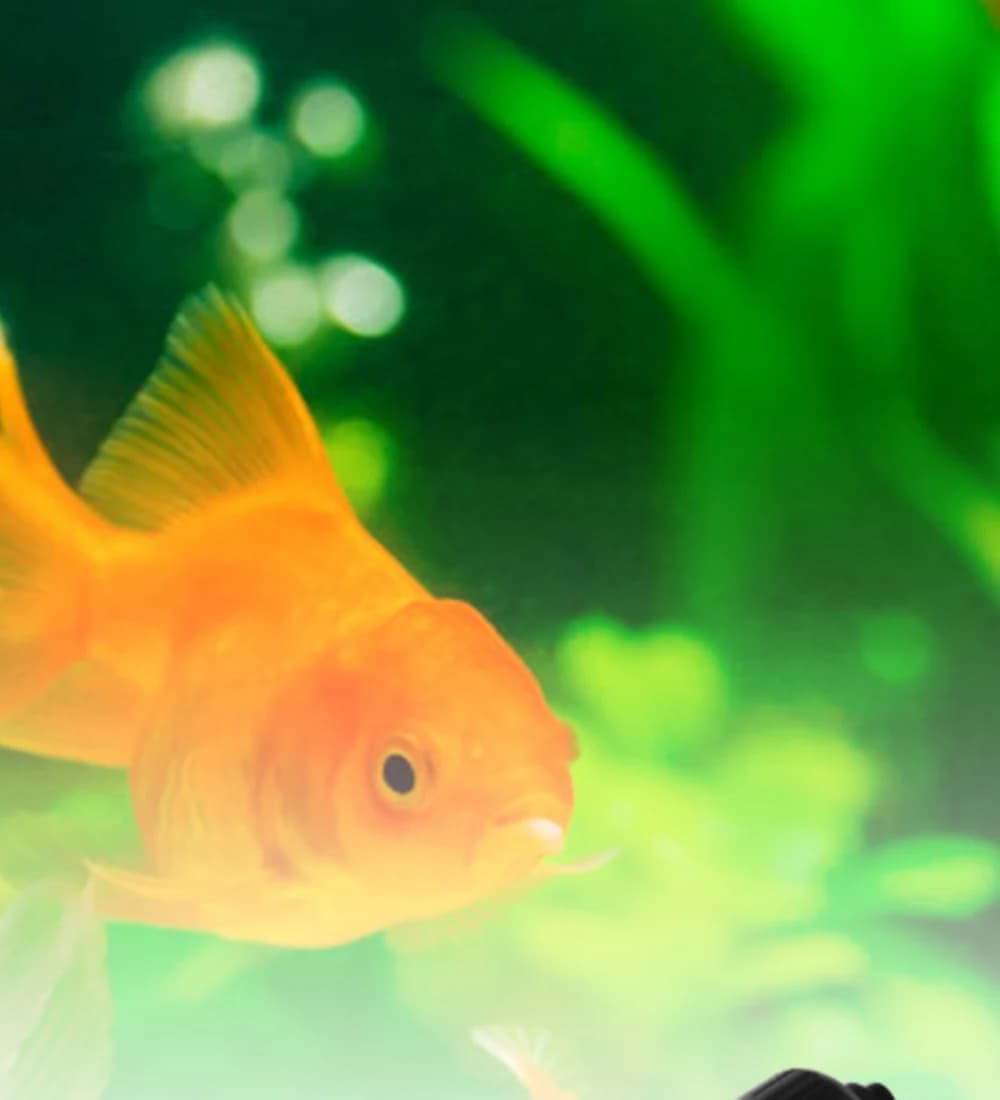
Most new tanks fail in the first month for one reason. Cycling fixes it, takes three to six weeks, and costs about the price of a test kit.
9 min read