The Kindral shop
At-Home Pet Grooming Tools
Grooming goes wrong when it is attempted rarely and at length. A weekly two-minute session that the animal tolerates beats a monthly half-hour it dreads, and it is the tolerance rather than the tool that takes time to build. Here is what each tool does and how to introduce it.
- Slicker brushes for tangles, deshedding tools for undercoat
- A light behind the nail shows the quick on dark claws
- Short, frequent, rewarded sessions beat long infrequent ones
- Microfibre robes absorb far faster than a bath towel
14 products


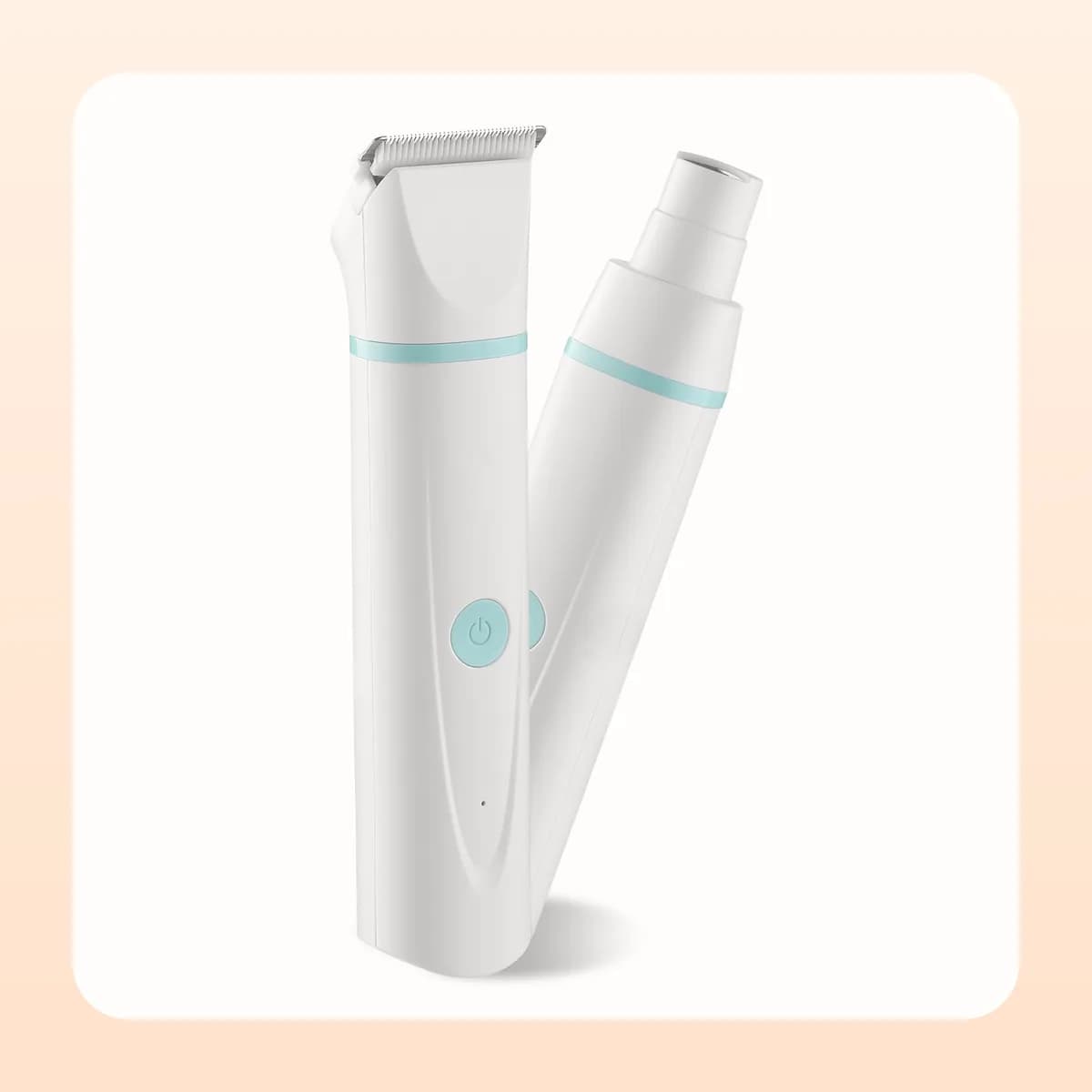
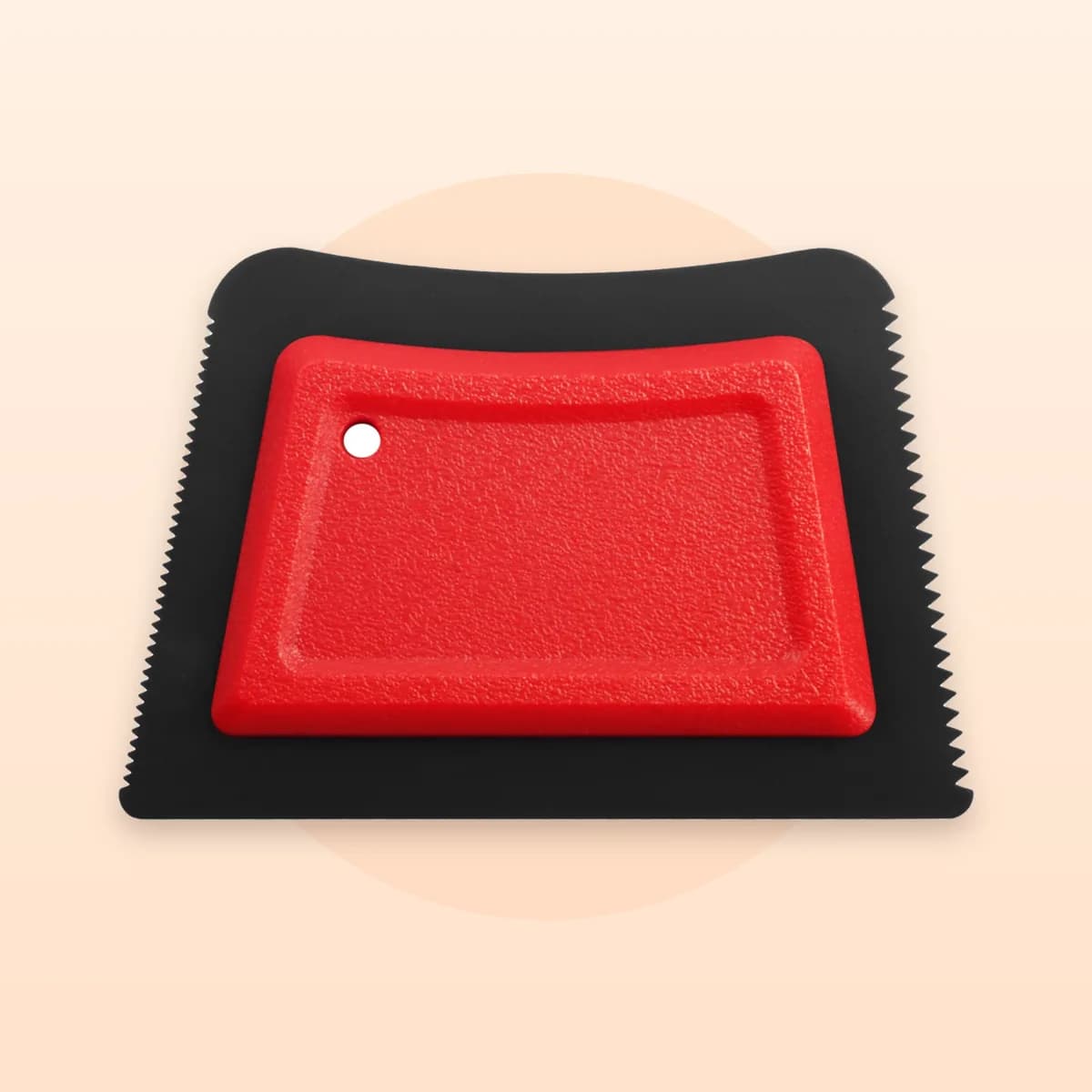
Brushes do different jobs
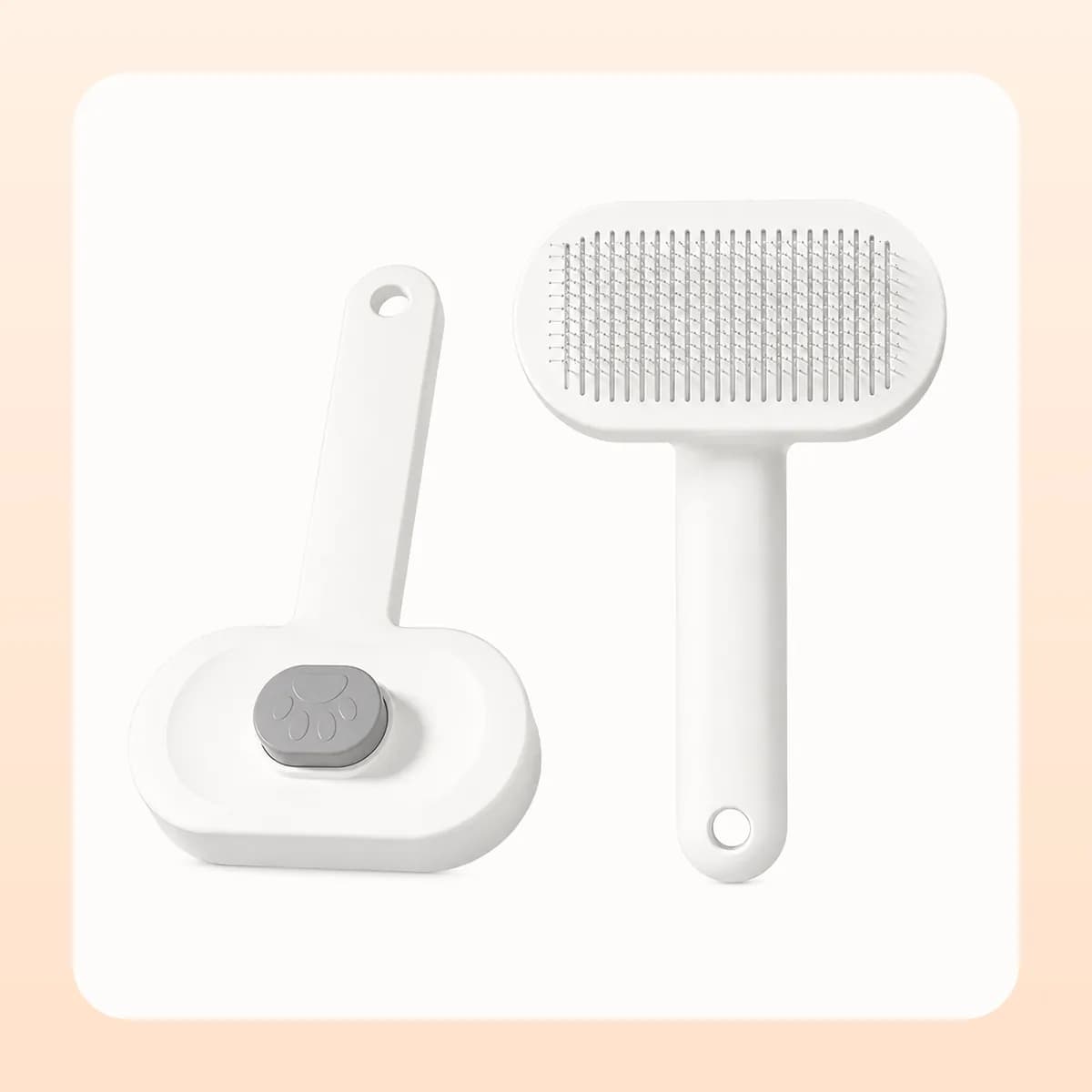
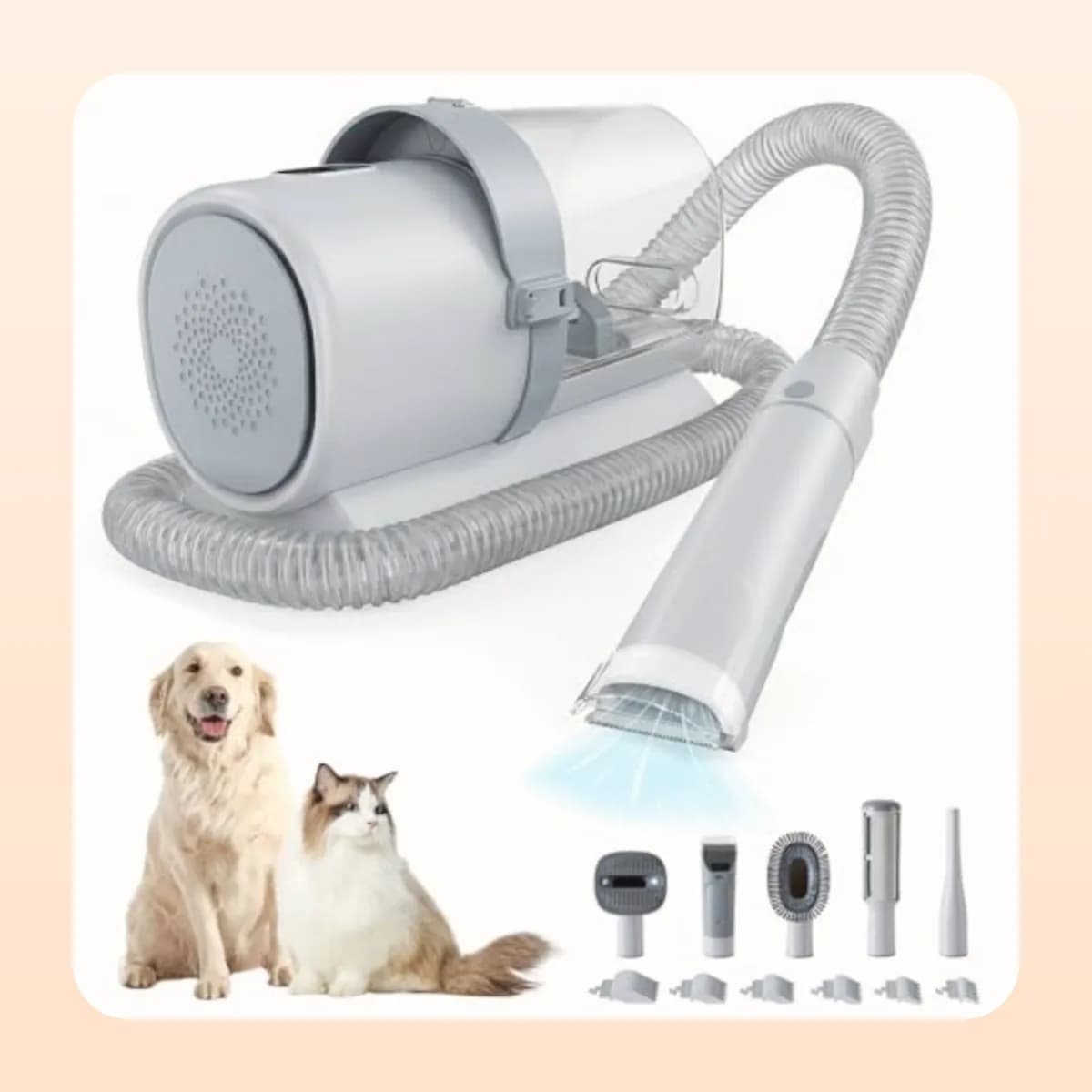
A slicker brush has fine angled pins for working out tangles and surface debris in medium and long coats. A deshedding tool reaches through the topcoat to pull loose undercoat, which is what actually reduces the fur on your sofa during a moult. Using a deshedding blade on a single-coated dog does nothing useful and can scrape the skin, so match the tool to the coat rather than to the dog's size.
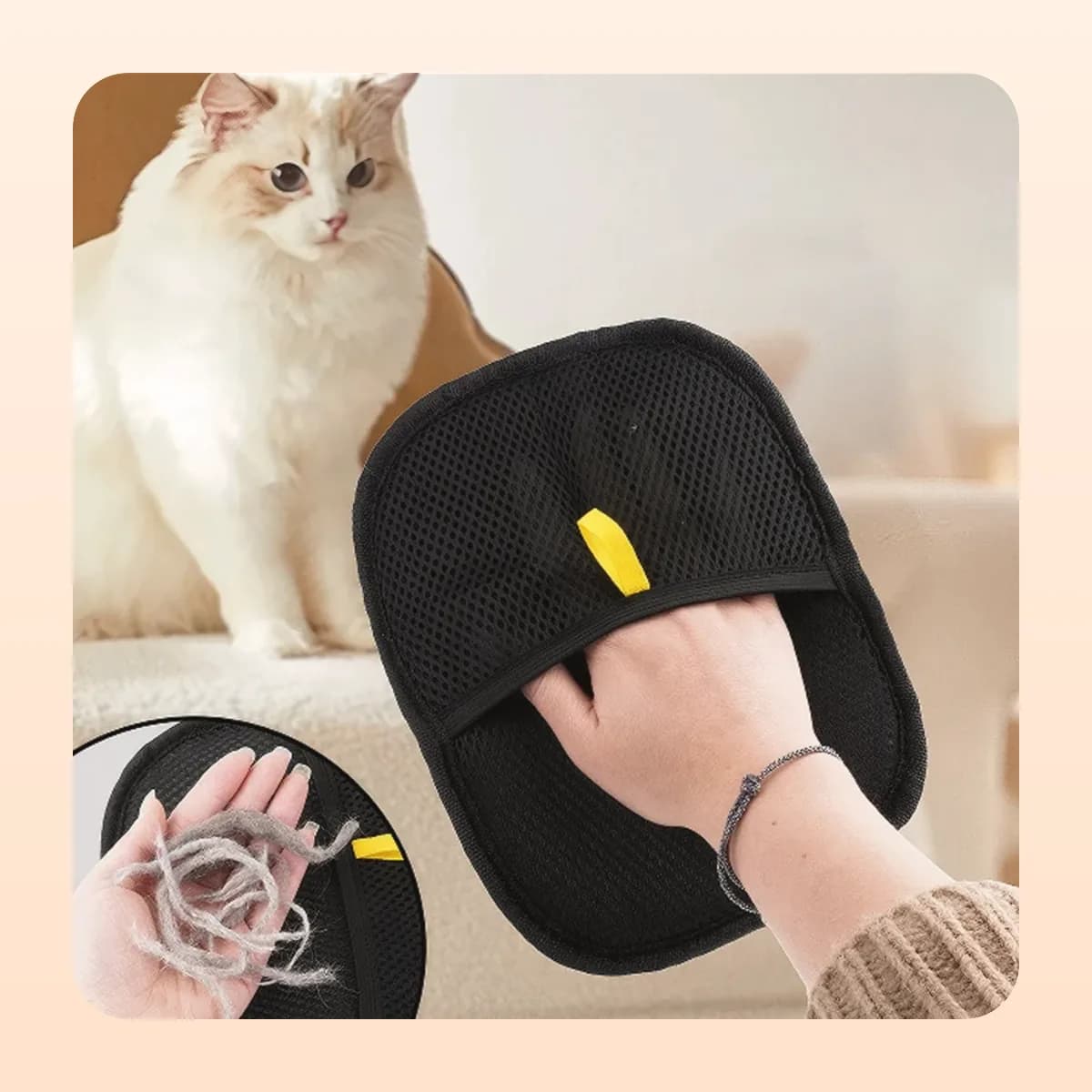
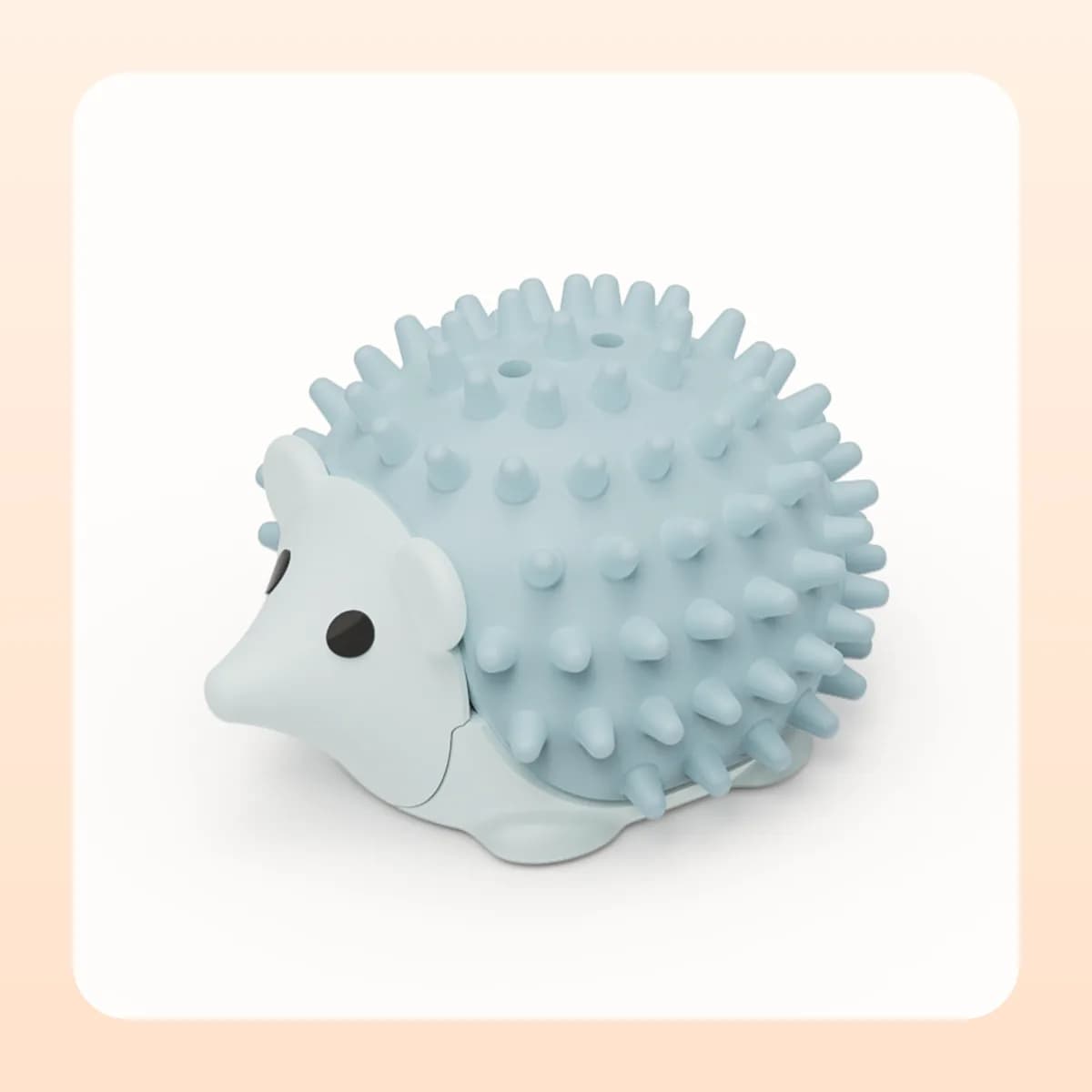
For cats, a rubber mitt or a self-groomer fixed to a corner does most of the work with none of the restraint. Cats that dislike being brushed will often groom themselves happily against a fixed brush, which removes the same loose fur and takes you out of the equation.
Nails, and finding the quick
Inside every claw is the quick, a core of blood vessel and nerve. Cutting it hurts and bleeds, and one bad experience can make a dog refuse its feet for months. On pale nails the quick shows as a pink triangle. On dark nails it does not, which is why a clipper with a light behind the nail is worth the small extra cost.
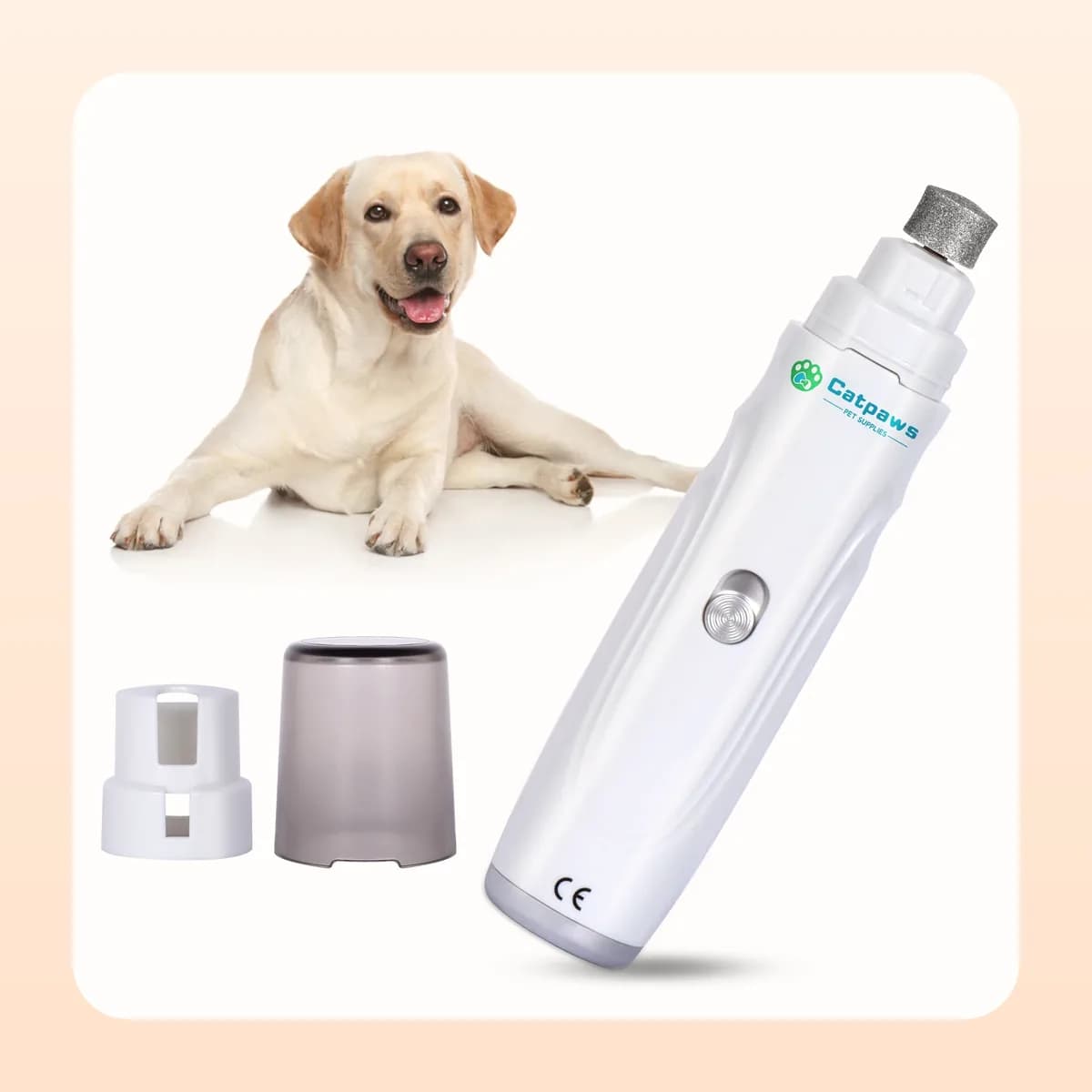
Take a sliver at a time and look at the cut face after each pass. A chalky white centre means keep going; a dark spot appearing in the middle means stop immediately, because the quick is directly behind it. A grinder removes less per pass than clippers and is the safer choice if you are nervous, though the noise and vibration need introducing separately.
Washing, drying and teeth
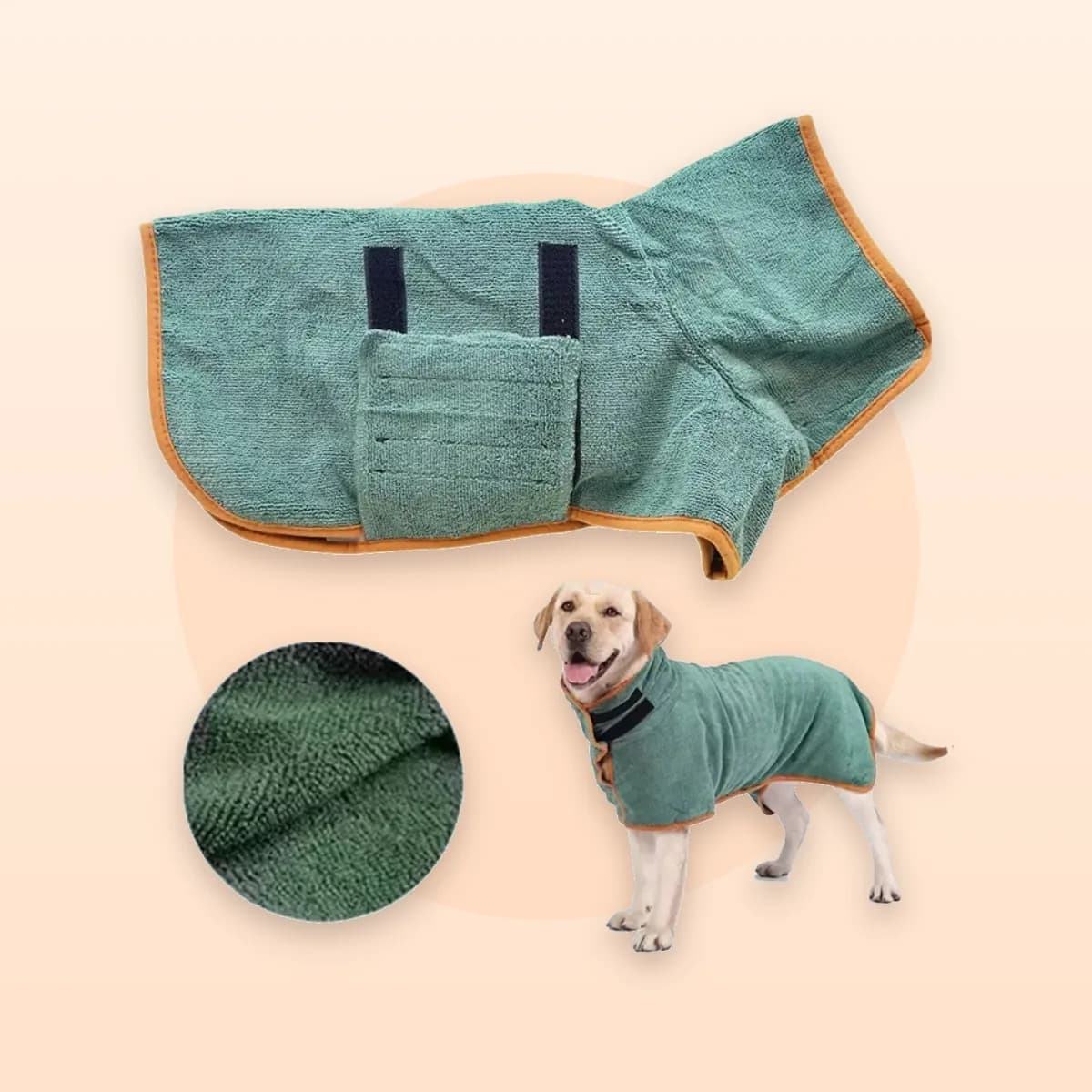
Most dogs need bathing far less often than owners assume, and over-washing strips the coat oils that keep skin healthy. A paw cleaner at the back door handles the everyday mud without a full bath. A microfibre robe pulls water out of a coat much faster than a towel and keeps a wet dog contained while it dries, which matters more with a double coat that stays damp for hours.
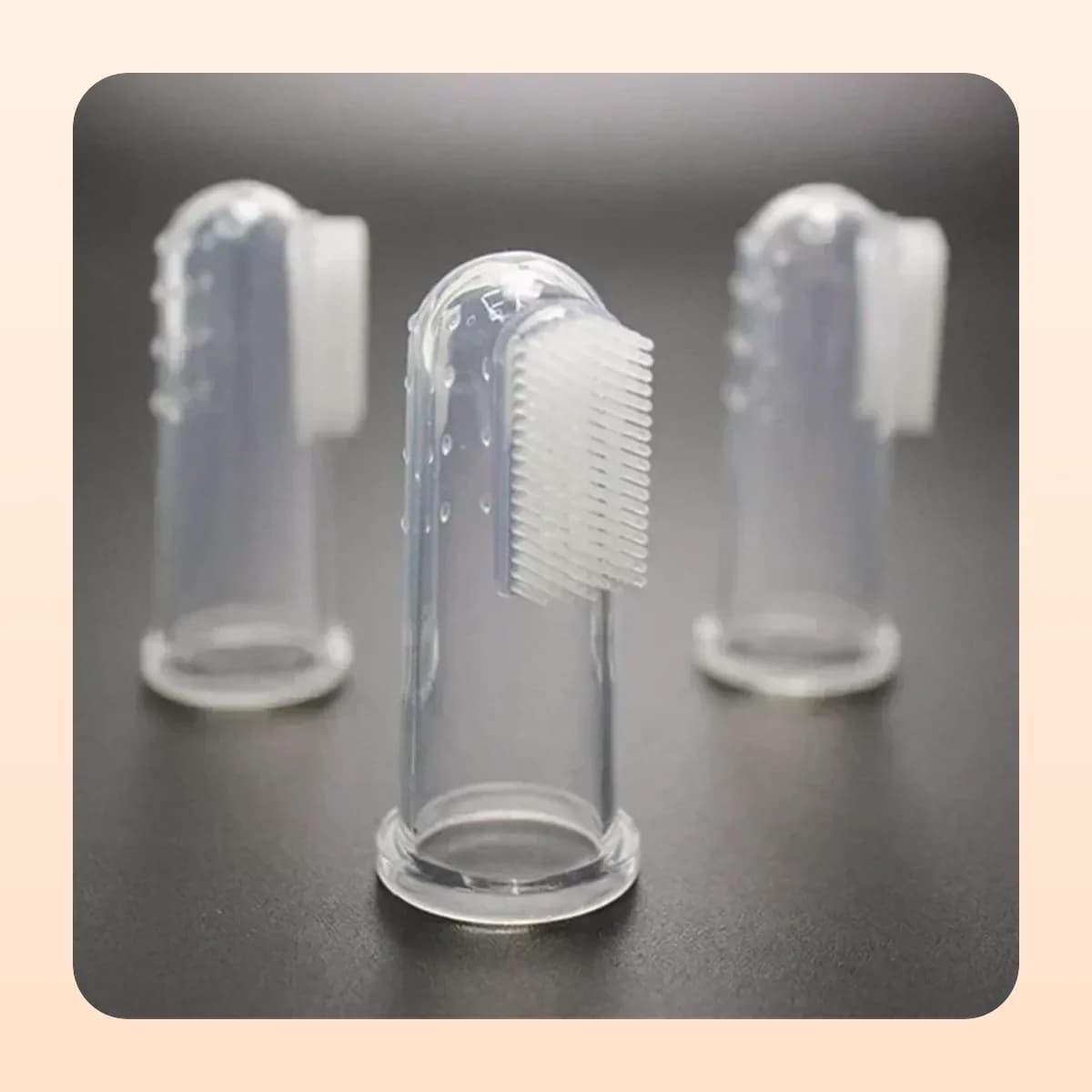
Dental disease is one of the most common conditions vets see, and brushing is the only home measure that reliably slows it. A finger brush is easier to introduce than a long-handled one. Use toothpaste made for pets: human toothpaste contains fluoride and often xylitol, and xylitol is seriously toxic to dogs.
Common questions
Roughly every three to four weeks, or whenever you can hear them clicking on a hard floor. Dogs walked mostly on pavement wear them down and need it less; dogs walked on grass need it more.
Press styptic powder or cornflour onto the tip and hold firm pressure for a couple of minutes. It looks dramatic and usually stops quickly. Call your vet if it has not stopped after about ten minutes.
Most dogs, every couple of months at most unless they roll in something. Washing more often than that strips the coat oils and is a common cause of itchy, flaky skin.
Fix a self-groomer to a corner or table leg and let the cat use it unsupervised, and try a soft rubber mitt during a stroke rather than as a separate event. Very short sessions during a nap often succeed where a deliberate grooming session fails.