

Dogs
Dog Harness vs Collar: Which Should You Walk On?
Short version: walk on a harness, keep the collar for the ID tag. The exceptions are narrower than most people think.
8 min read
The Kindral shop
Walking kit is the one category where the wrong choice shows up immediately, either as a dog that tows you down the street or a cat that reverses out of its harness on the pavement. Fit does most of the work. The guide below covers how to measure, and where a collar stops being the right tool.
14 products
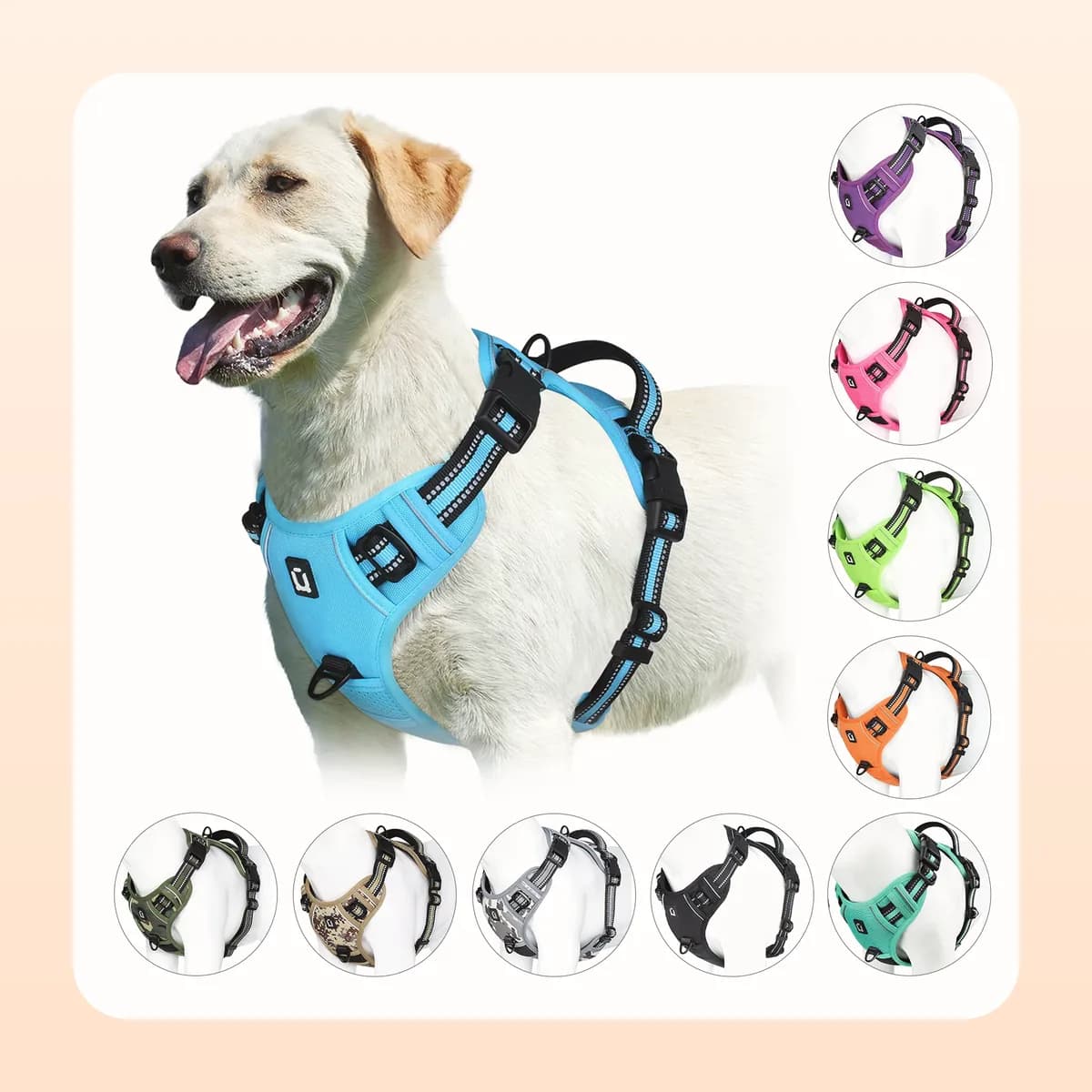
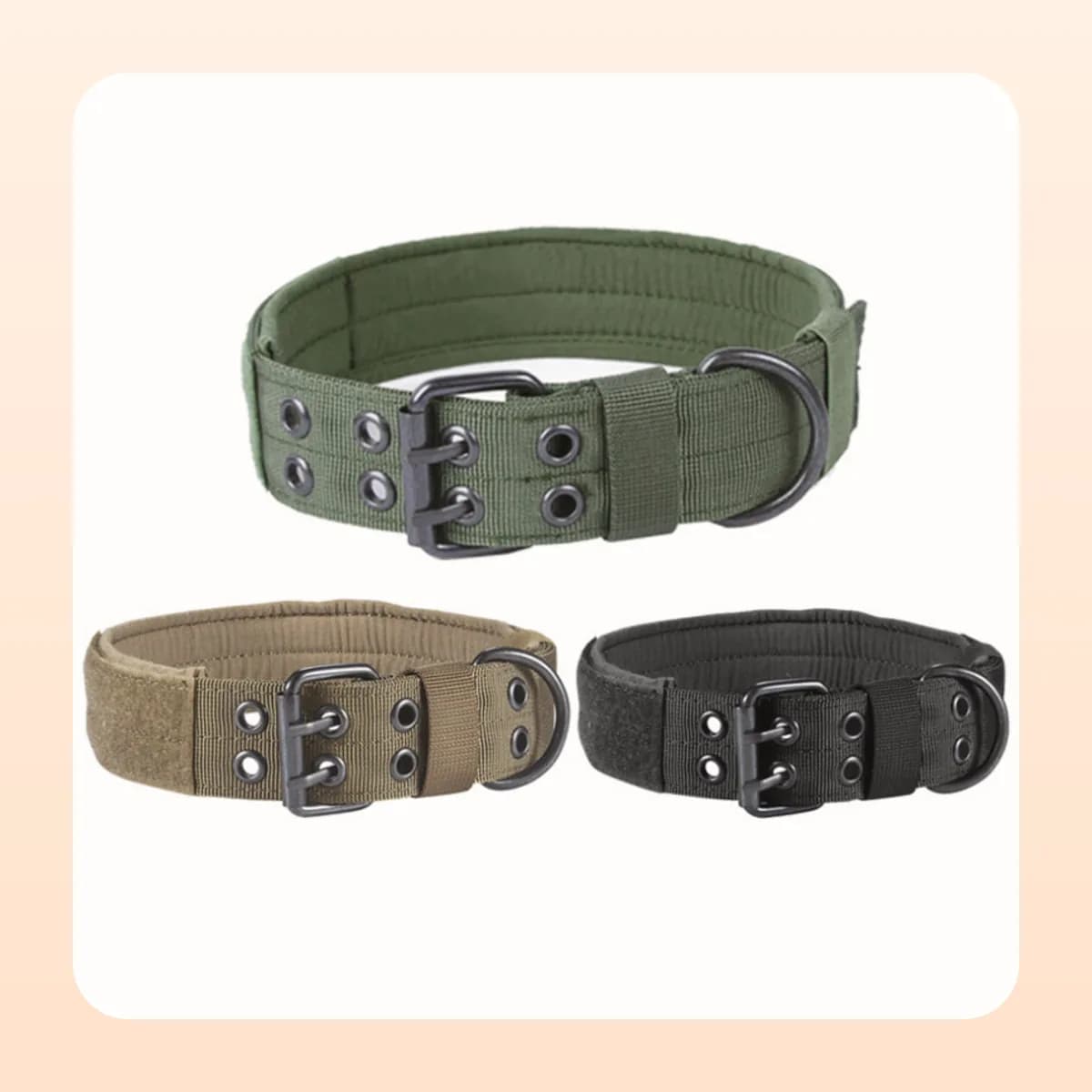
A collar is for identification and for a dog that already walks on a loose lead. It is not a steering device. Every pull puts the force through the throat, and in flat-faced breeds, small dogs and any dog with a tracheal wobble that matters more than most owners realise. A harness spreads the same force across the chest and shoulders.
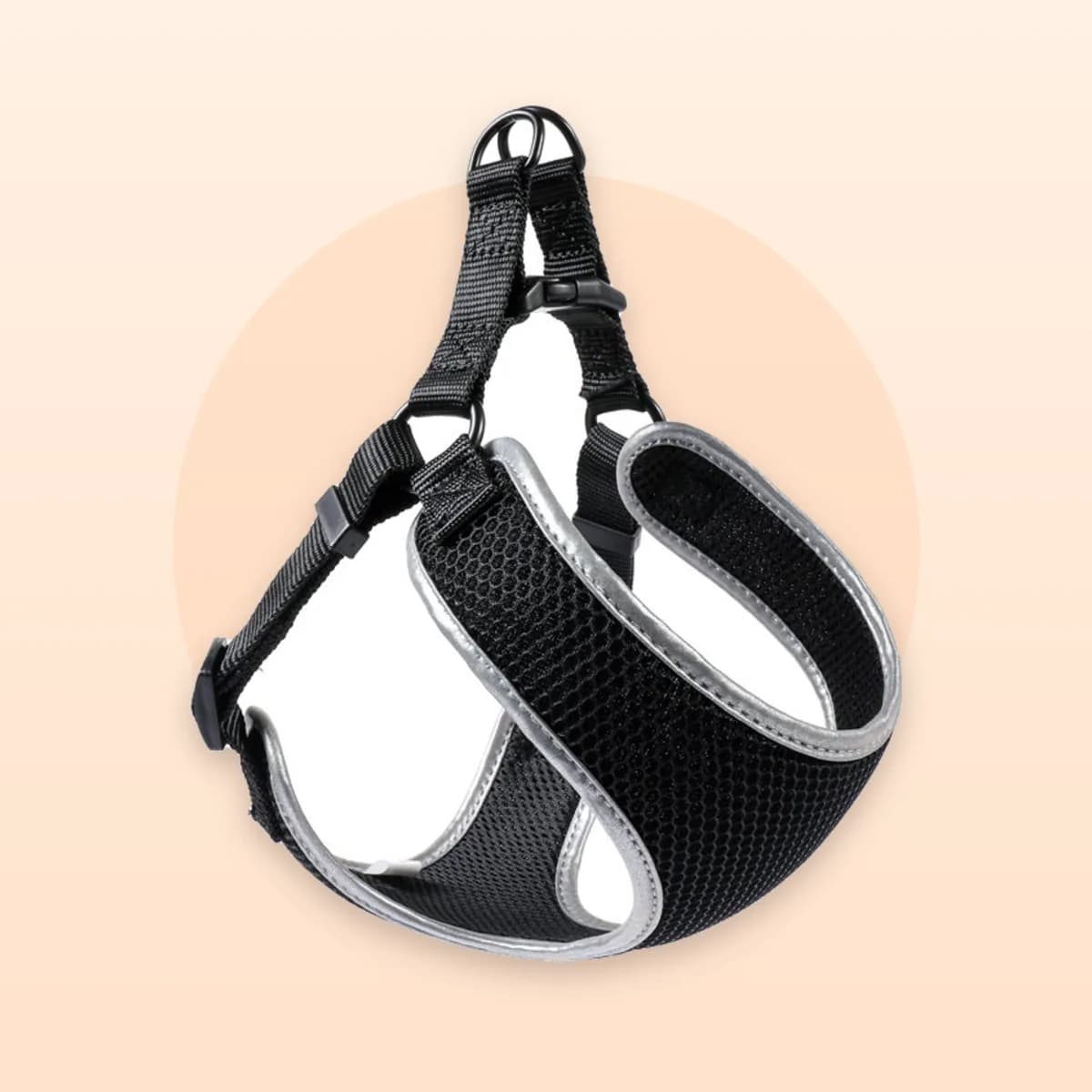
The clip position is what changes behaviour. A lead clipped to the dog's back leaves them facing forward with their full weight available to pull; a lead clipped at the chest turns the dog gently towards you the moment they lean into it. If your dog pulls, a front clip is the single most useful change you can make.
Measure the neck where the collar will sit, then the chest at its deepest point just behind the front legs, and buy to the larger figure. A collar is right when two fingers slide flat underneath and no more. A harness is right when it does not shift when you tug it upwards and does not restrict the shoulder: watch the dog walk away from you, and the front legs should swing freely.
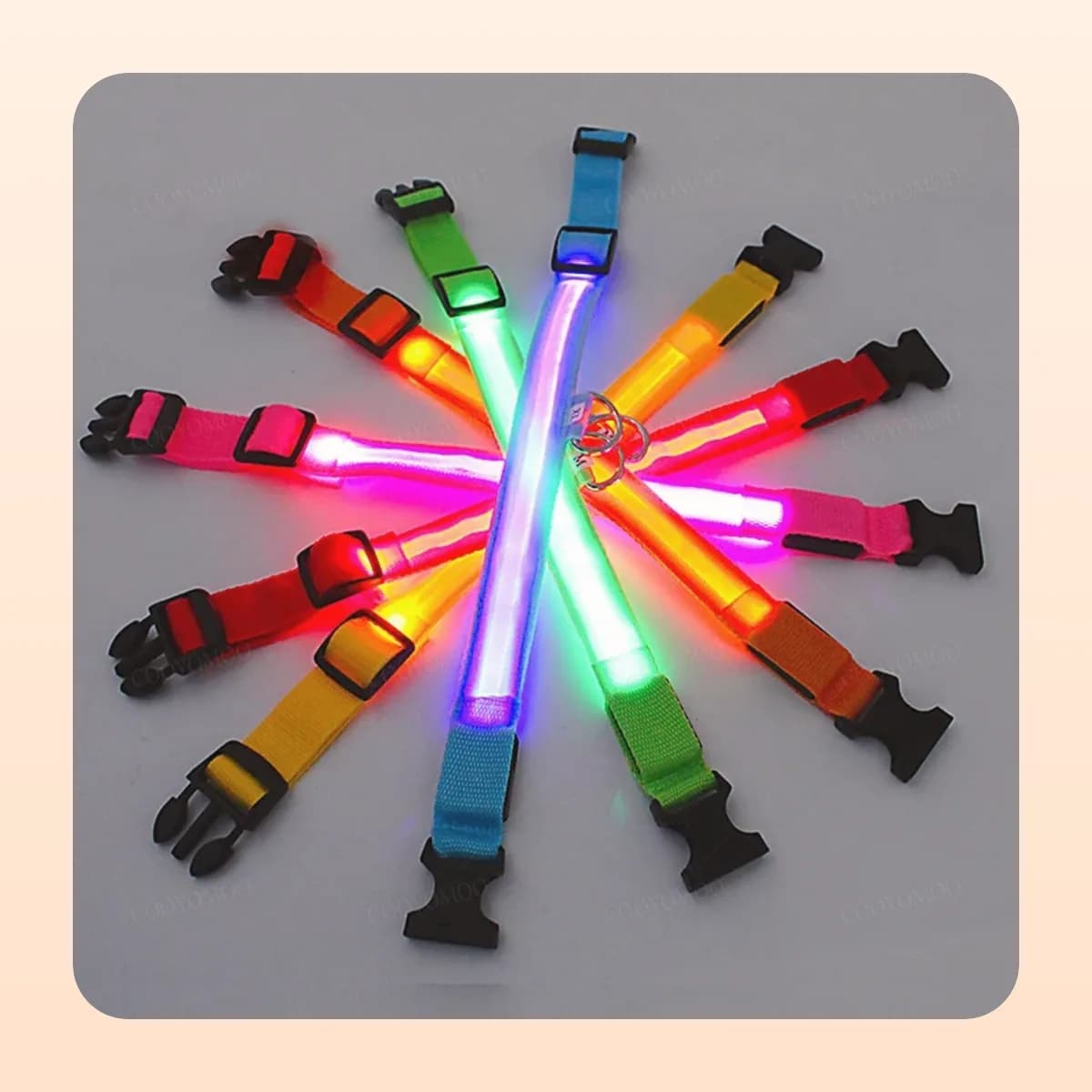
In UK law a dog in a public place must wear a tag with the owner's name and address; a phone number is sensible but not required, and a microchip does not replace the tag. For winter walks a lit collar is worth more than reflective trim, because reflective material only works once a driver's headlights are already pointing at you.
It is your call. A tag is legally required in public, but many owners take the collar off at home to avoid it catching on furniture or a crate. Dogs that are prone to slipping out of the garden are safer left wearing one.
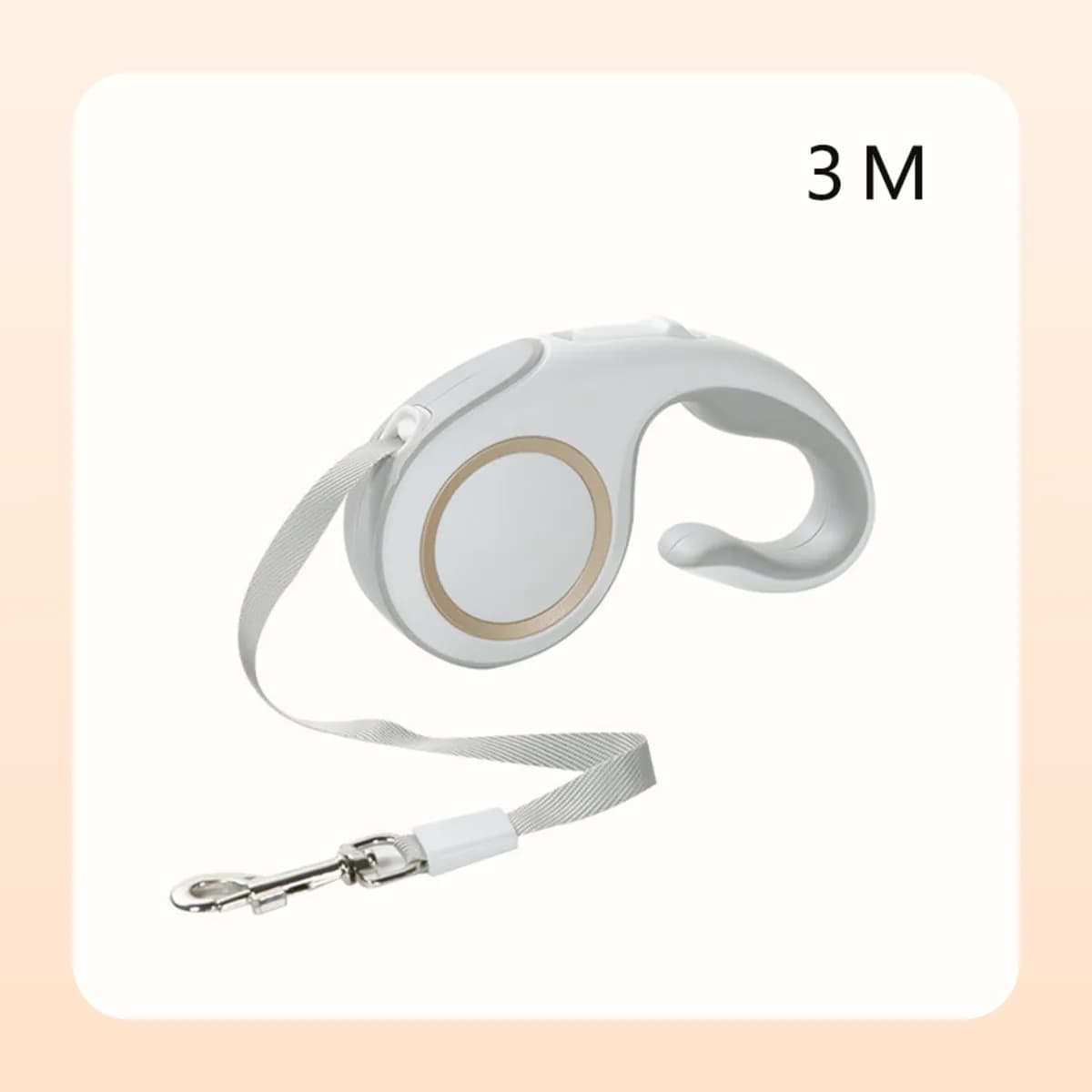
They are fine in open space and poor near roads and other dogs, because the thin line is hard to grab and the brake needs a thumb already in place. Use one for sniffing in a field and a fixed lead everywhere else.
Almost always the chest strap is sitting too far back. Move it forward so it crosses the breastbone, then re-tighten. If the rub persists, the harness is a size too small in the girth.
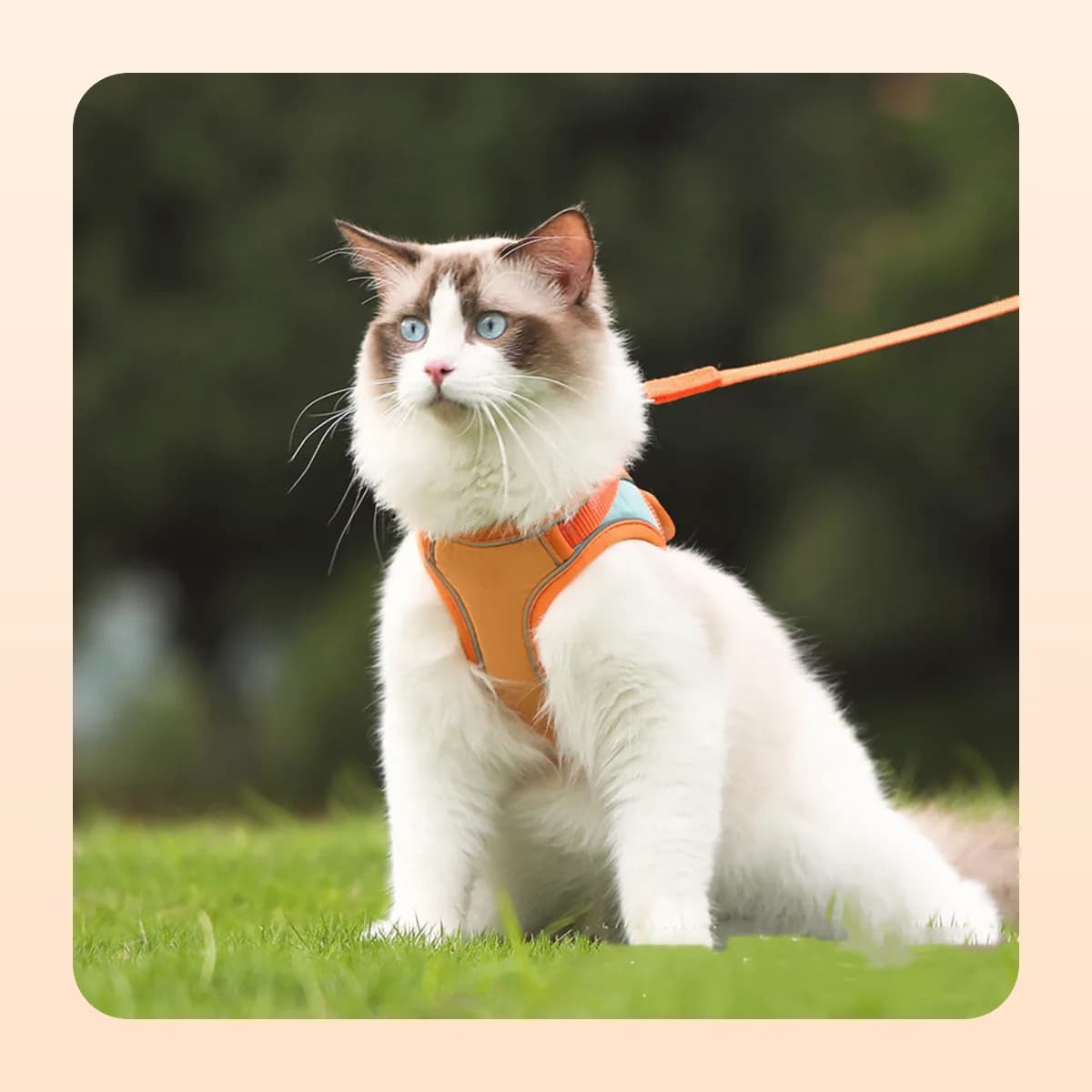
Many cats take to it, but start indoors. Let them wear the harness with no lead for a few short sessions, then add the lead indoors, and only go outside once they walk normally in it. A cat that freezes and flattens is not ready.
Short version: walk on a harness, keep the collar for the ID tag. The exceptions are narrower than most people think.
8 min read
Last reviewed 30 August 2026