The Kindral shop
Dog Coats for Cold and Wet Weather
Some dogs genuinely need a coat and some are wearing one for our benefit. The difference is coat type, body fat and size, not how cold it feels to you. Below is how to tell which camp your dog is in, how to measure so the thing actually fits, and what each garment is really for.
- Measure along the spine from collar to tail base, then the chest girth
- Thin-coated, small, elderly and very young dogs feel cold first
- Double-coated breeds usually need nothing and can overheat in a coat
- A coat must clear the shoulders and stop short of the back legs
9 products

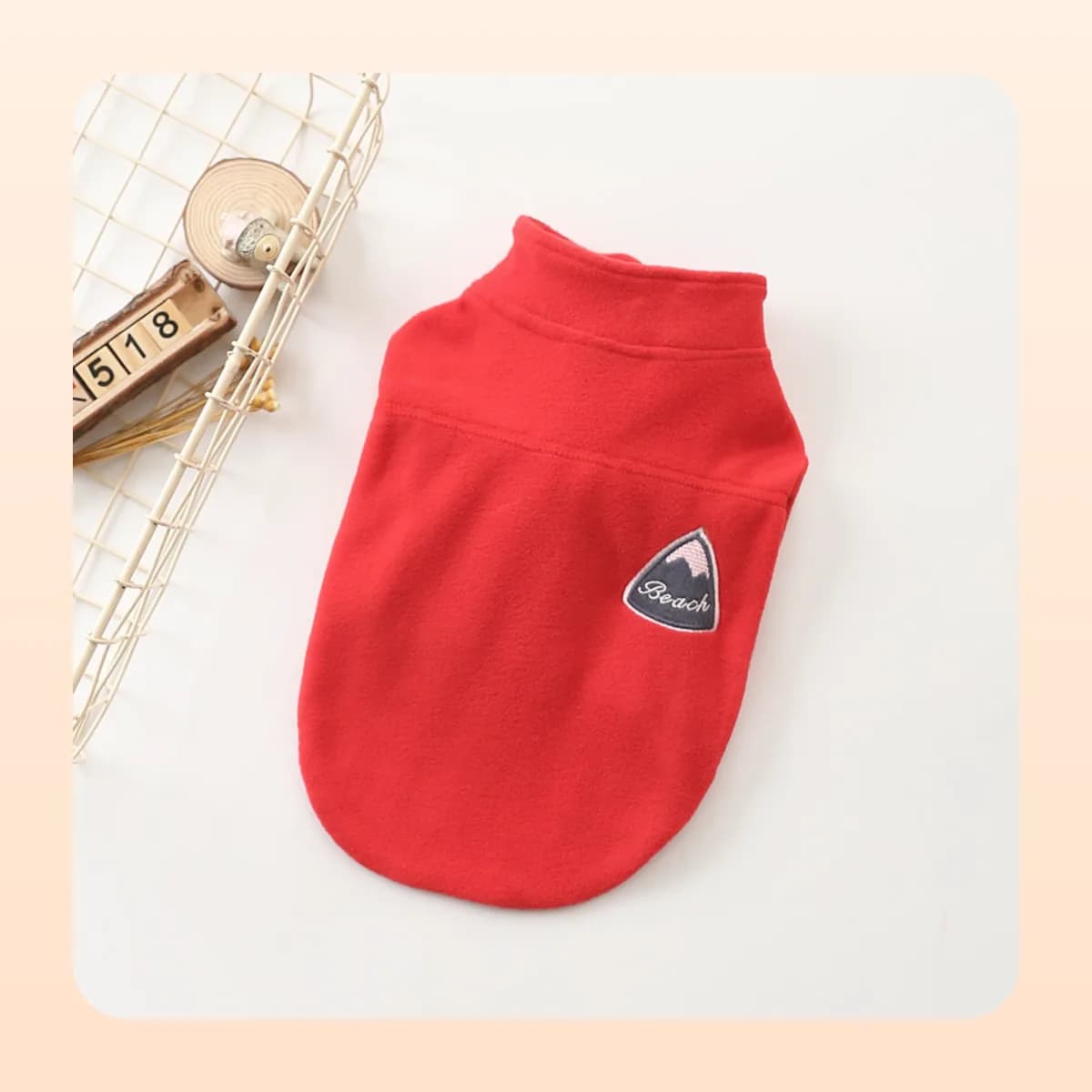
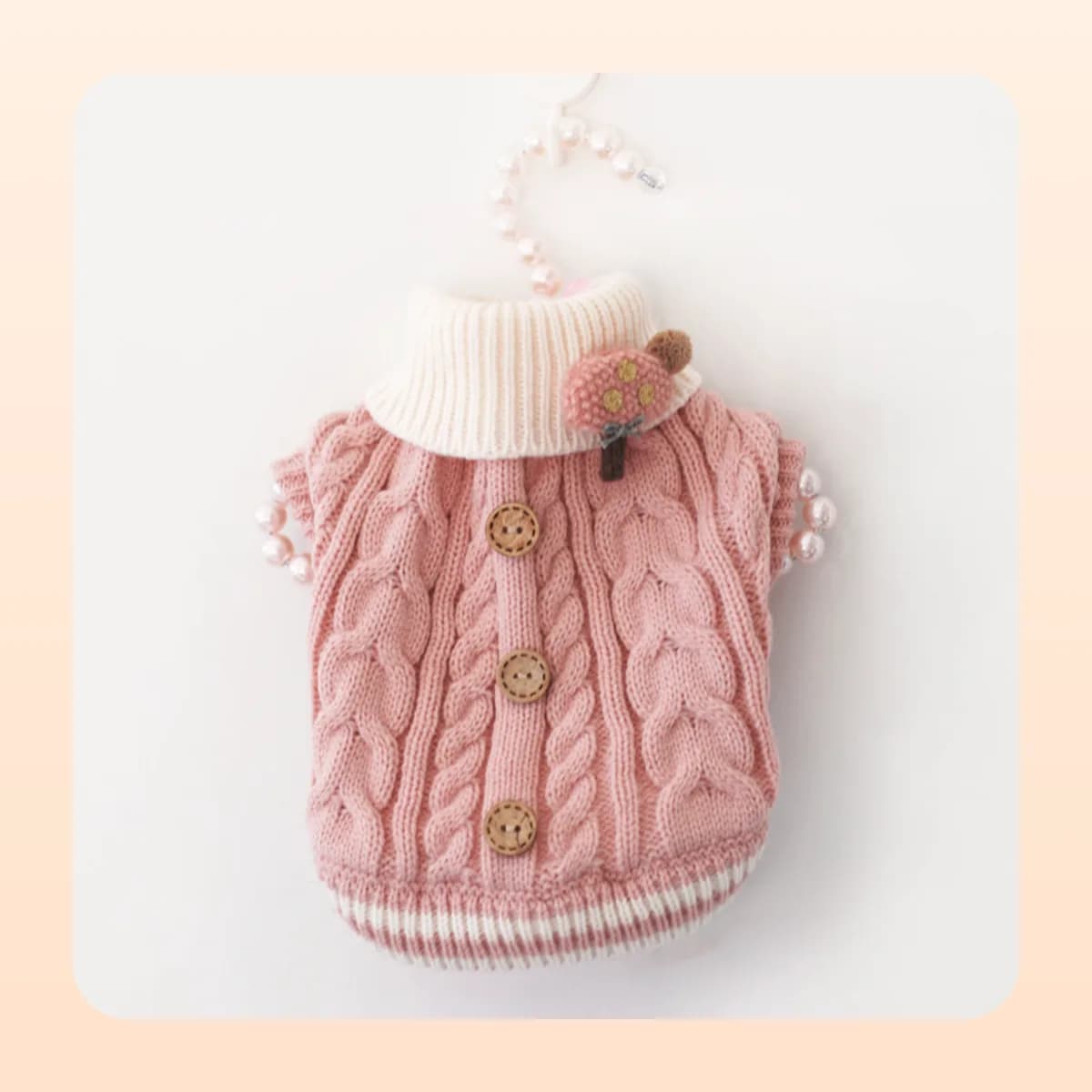
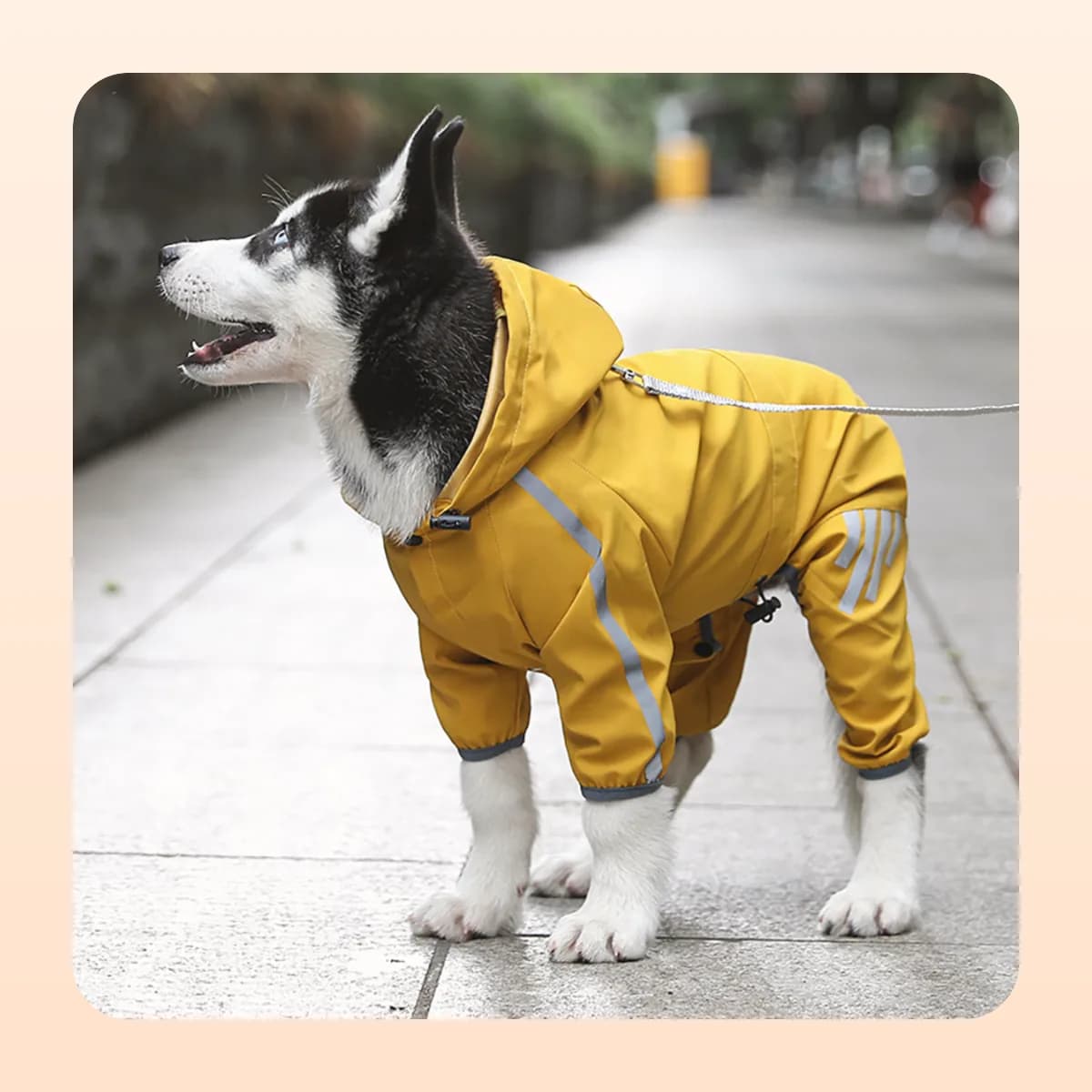
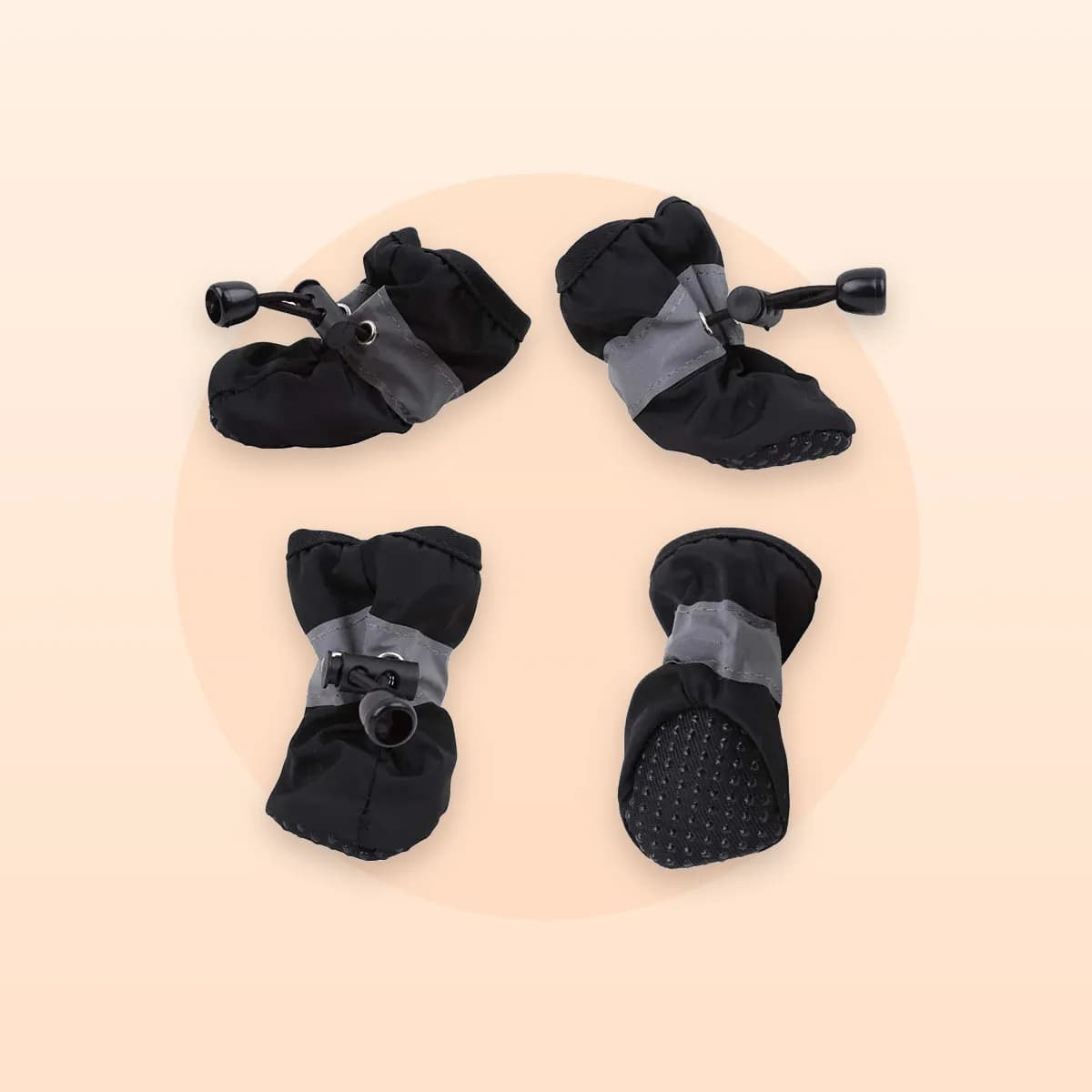
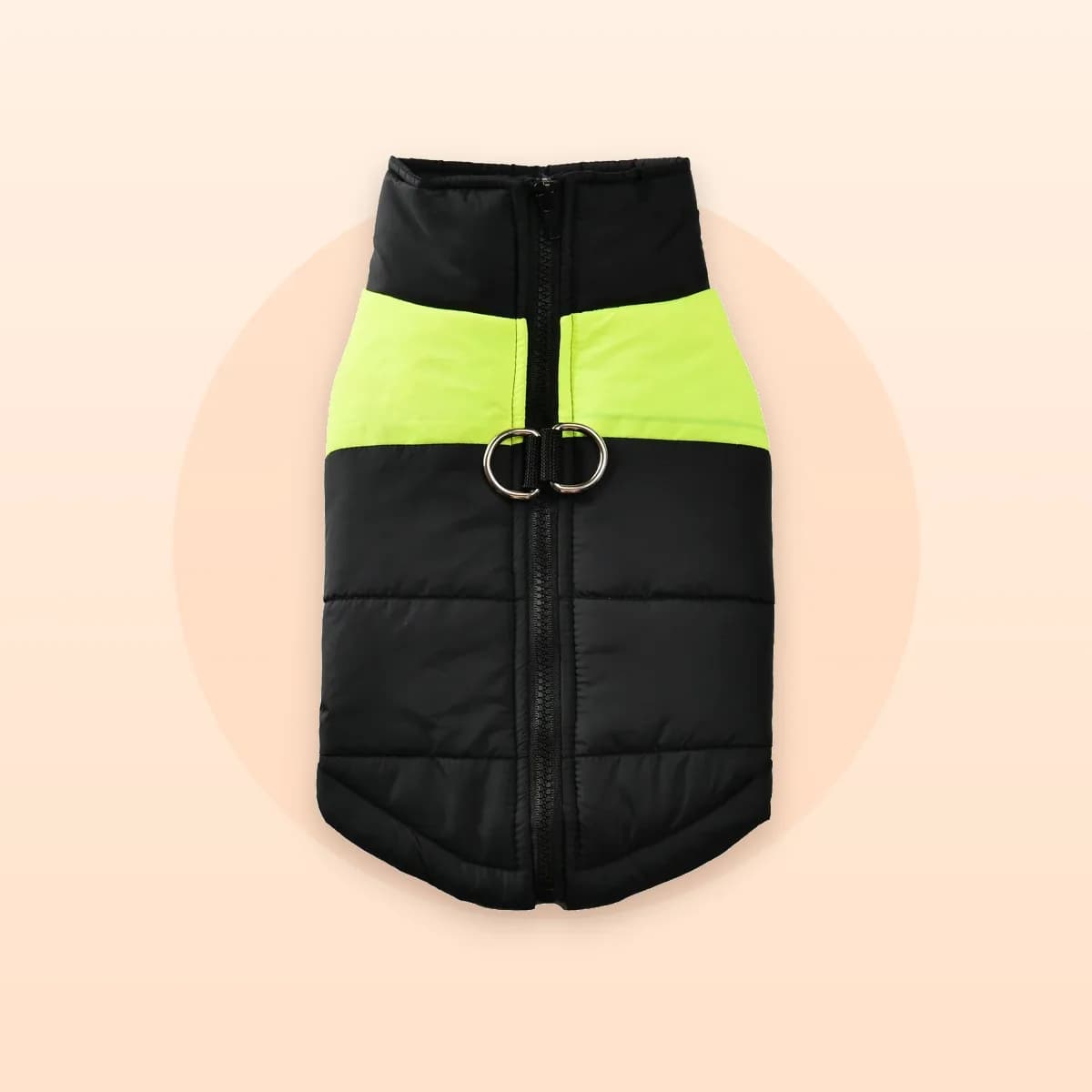


Which dogs actually need one
Body mass and coat type decide it. Whippets, greyhounds, Italian greyhounds, chihuahuas and other thin-coated small dogs lose heat fast and will shiver on a doorstep in single figures. Puppies and elderly dogs regulate temperature less well. Dogs recovering from illness or recently clipped are in the same group.
Huskies, Malamutes, German Shepherds and Collies carry a double coat that traps a layer of warm air against the skin. Putting a jacket over that can flatten the undercoat and stop it working, so unless the dog is old, unwell or standing still in driving rain, leave it off. Watch the dog rather than the thermometer: shivering, a tucked tail, lifted paws and a slowed pace are the signals worth acting on.
Measuring and fit
Two numbers matter. Back length runs along the spine from the base of the collar to the base of the tail, and chest girth is the widest point just behind the front legs. Size to the girth if the two disagree, because a coat that is tight round the chest is the one the dog will refuse to wear.
A good fit clears the shoulder so the front legs swing freely, ends before the back legs so it does not catch when the dog squats, and leaves the belly uncovered on a male dog far enough forward to keep it dry. If the coat rotates as the dog walks, the belly strap needs tightening rather than the coat needing a size down.
Beyond warmth
Cooling vests work by evaporation: soak, wring out until it stops dripping, and put it on. They stop working once dry, so re-wet on long walks. Recovery suits cover a wound or surgical site while leaving the head free, which most dogs tolerate far better than a plastic cone. Boots are mainly for grit, road salt and hot pavement, and every dog walks strangely in them for the first week.
Common questions
There is no single number, but below roughly 7°C thin-coated, small, elderly and very young dogs start to feel it, and below freezing most of them will want something. Thick double-coated dogs are usually fine well below that.
That is normal at first. Put it on indoors for a minute at a time with something good to eat, take it off before they object, and build up. Rushing straight to a walk in an unfamiliar coat is what creates a lasting refusal.
Yes, and most winter jackets are cut with a slot for the lead so the harness sits underneath. A harness worn over the fabric tends to slip; underneath it stays put and the coat stays flat.
Cool wash, no fabric softener, air dry. Softener clogs the water-repellent finish on a raincoat and the wicking on a cooling vest, which is the usual reason a coat stops shedding water after a few months.
Last reviewed 30 August 2026