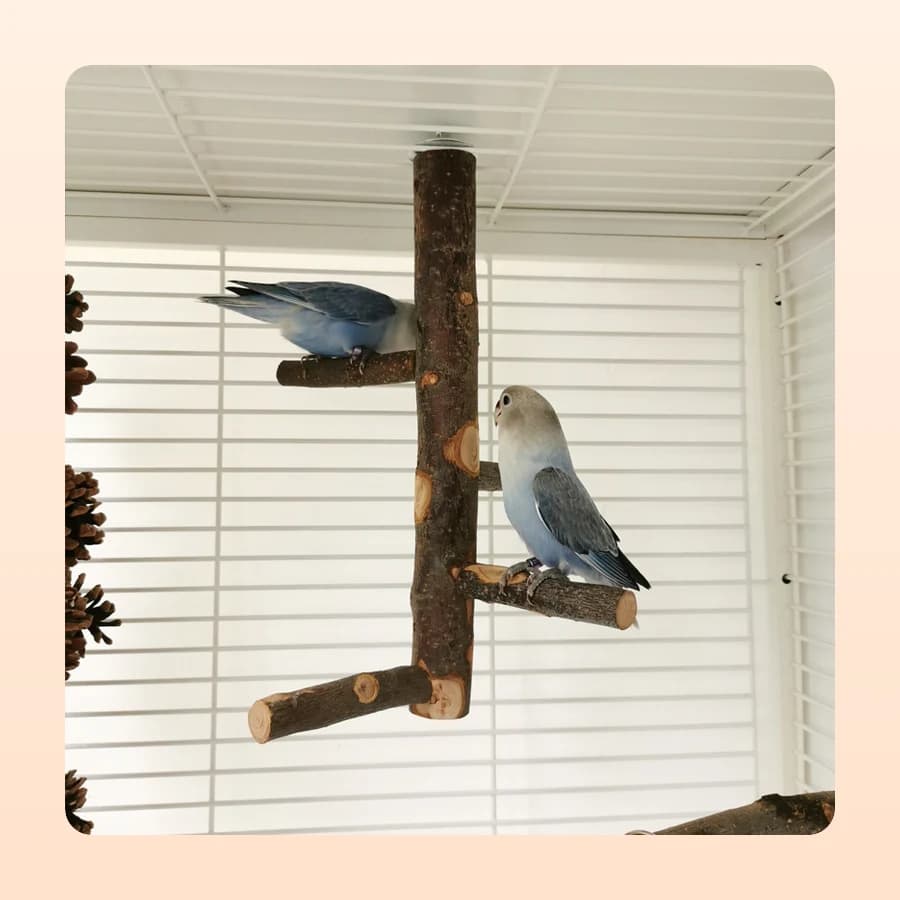
Birds
Bird Cage Size Guide: Minimums by Species
Width beats height, bar spacing is a safety issue rather than a preference, and the 'minimum' on the box is usually a sleeping cage.
7 min read
The Kindral shop
A parrot in the wild spends most of its waking hours looking for food. A cage bird gets the same food in a dish in ten seconds, and the hours that were meant to go into finding it have to go somewhere. Foraging toys are how you give those hours back, and a bored bird is the one that starts plucking.
5 products
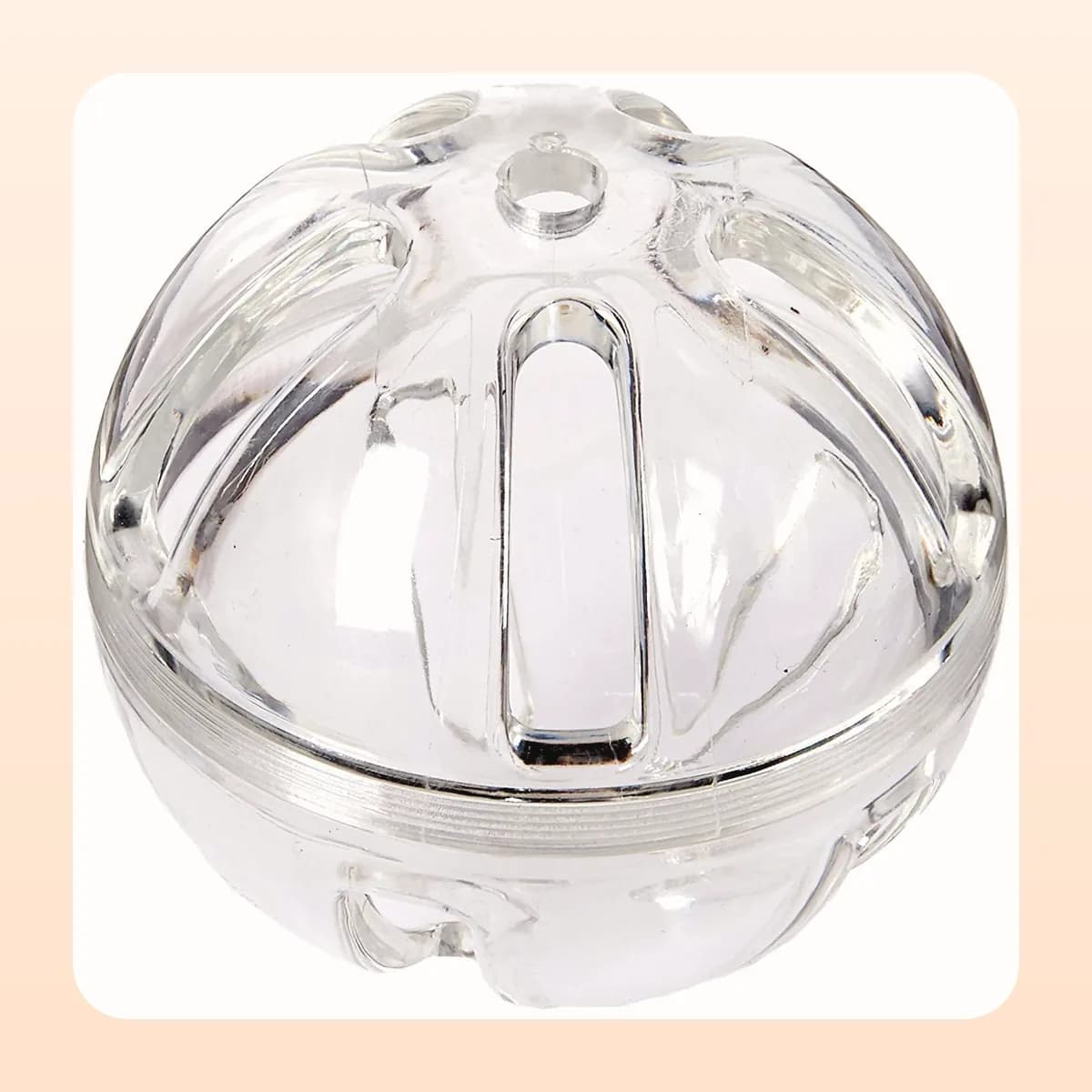
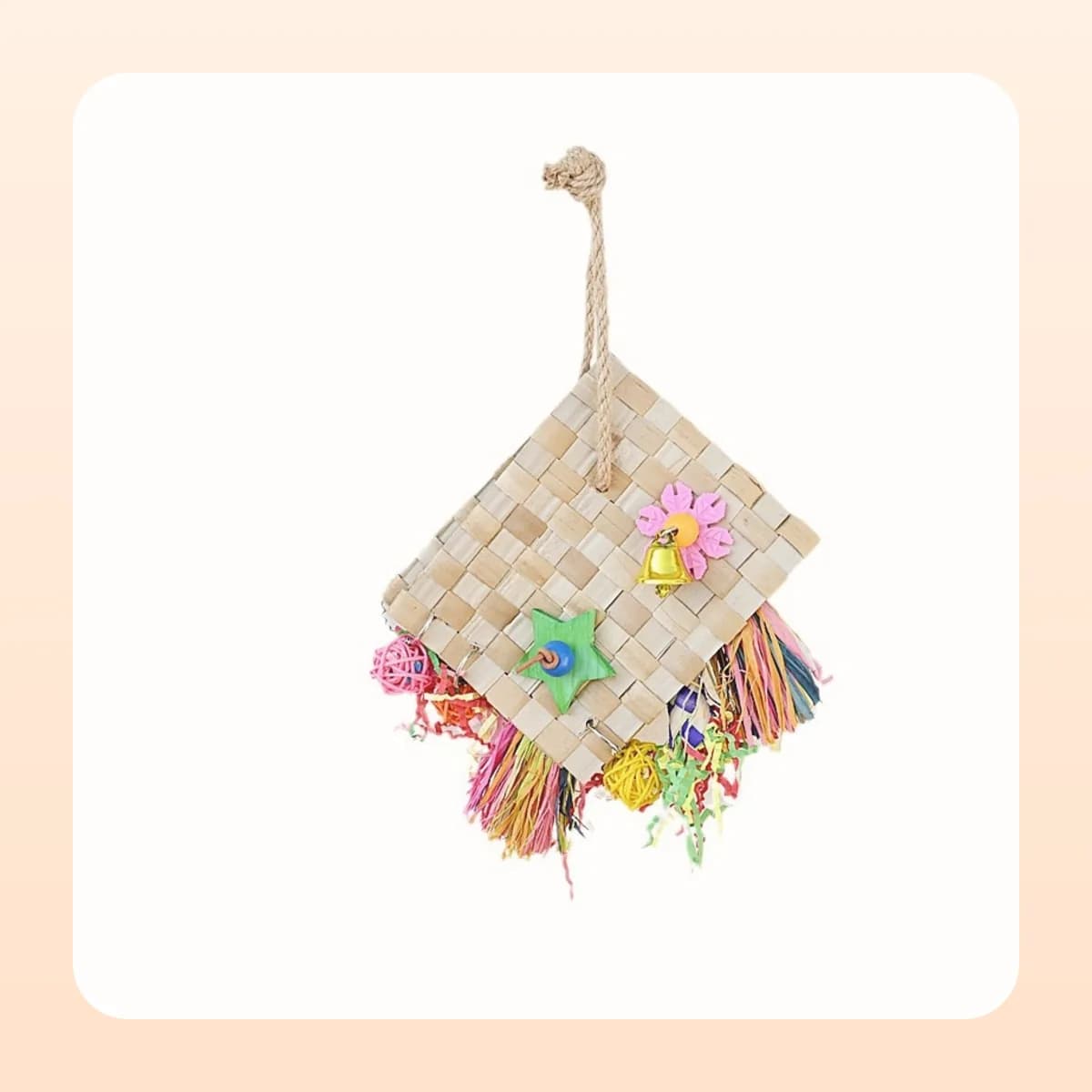
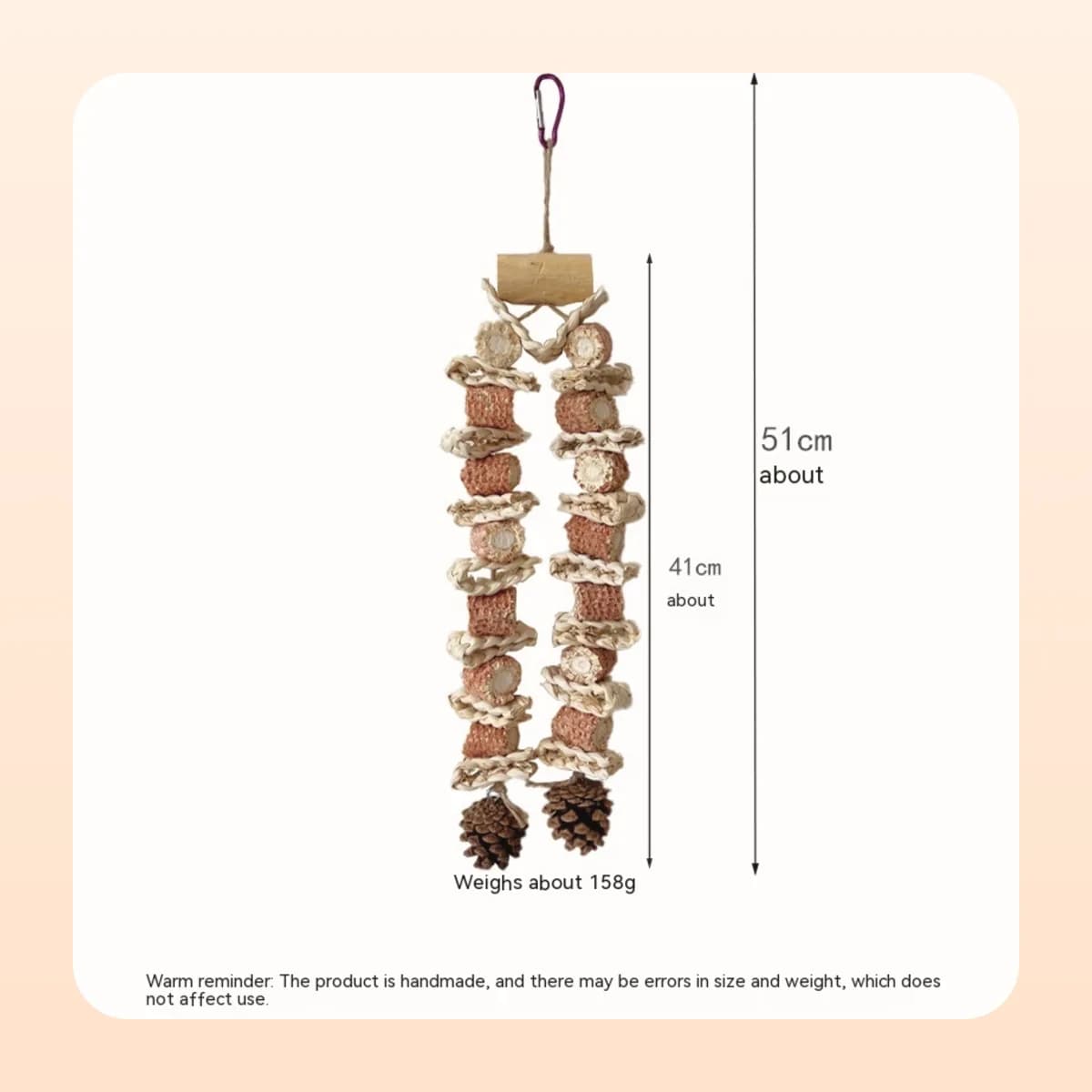
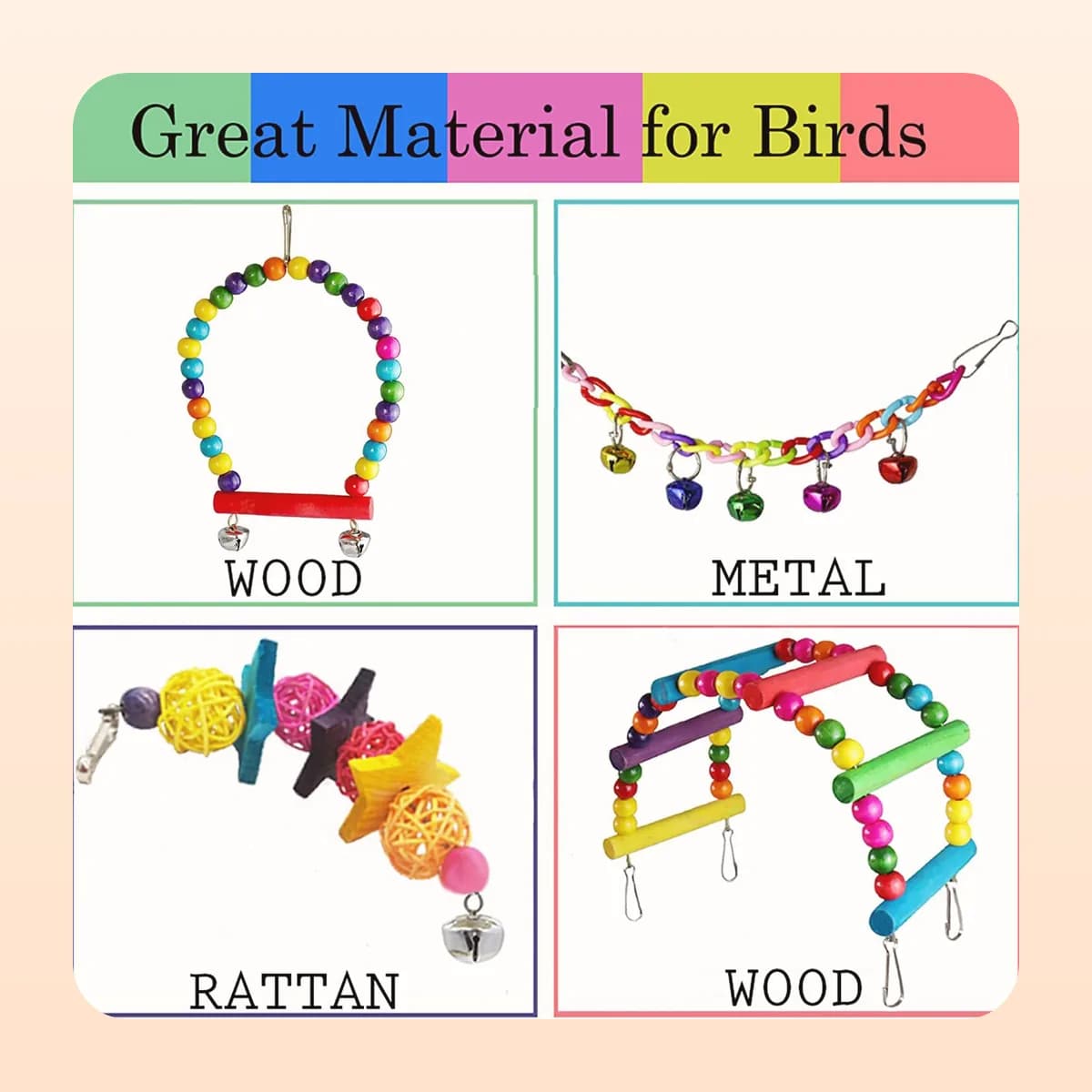
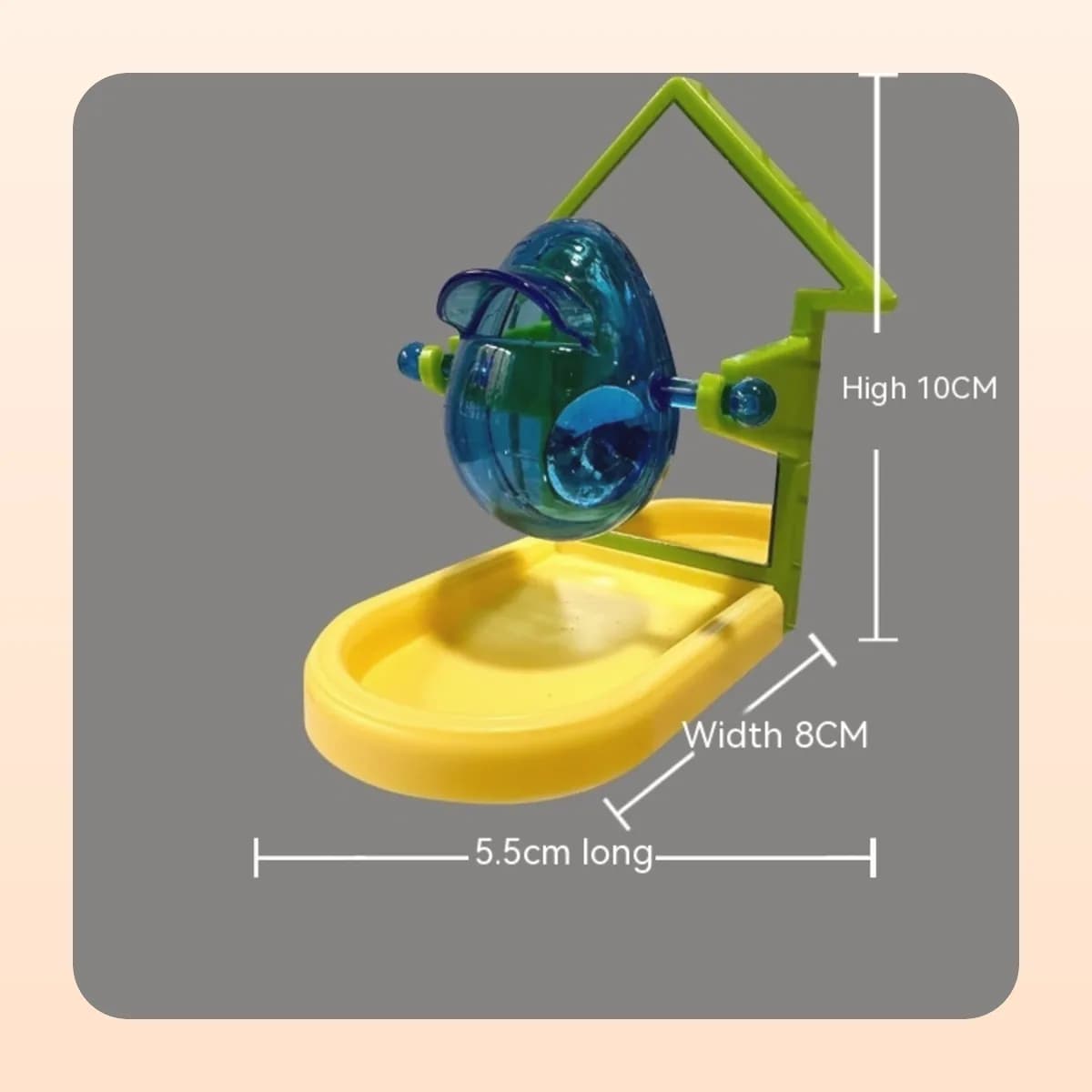
Wild parrots and finches spend a large share of the day searching for and processing food. Remove that and you remove most of the day's occupation, which is why boredom in cage birds shows up as screaming, bar chewing and feather plucking rather than as obvious idleness. A foraging toy puts the work back by making the bird open, spin or shred something before it gets the reward.
Start easier than you think you need to. A bird that cannot solve the puzzle ignores it, and a toy that gets ignored on day one usually stays ignored. Begin with the food visible and only lightly covered, then wrap it more thoroughly once the bird is confidently working at it.
Palm leaf bags, corn husk chews and soft wood are meant to be reduced to pieces. Owners often treat a shredded toy as money wasted, when a toy destroyed within a week is a toy that did exactly what it was for. Chewing wears the beak, occupies the bird and satisfies the same drive that would otherwise be aimed at your window frames.
Rotation makes a small collection go a long way. Three or four toys in the cage at once, swapped weekly and rested out of sight, hold attention far better than a dozen permanently in place. Filling the cage also costs the bird the open space it needs to move, which is a poor trade.
Inspect toys weekly. The failures worth catching are frayed rope, where toes and sometimes a whole leg can become tangled; split key rings and open links, which trap a beak or a claw; and any small part that has worked loose enough to swallow. Trim fraying rope back as soon as it starts rather than waiting for it to become a loop.
Choose untreated wood and vegetable-dyed colouring, and give mirrors some thought before adding one. A lone bird can bond to its reflection and start regurgitating for it, which turns a toy into a source of frustration. If your bird already fixates on a mirror, it is one of the few items worth removing outright.
Three or four, rotated weekly. More than that crowds out the space the bird needs to move, and constant availability makes everything less interesting rather than more.
Not if they are shredding toys. Destructible toys are consumables and a fast-destroyed one has done its job. Reserve harder wood and acrylic for the toys you want to last.
They can be for a bird kept alone, which may bond with the reflection and regurgitate for it. If yours fixates on one, remove it and add foraging toys instead.
Frayed rope that could trap a toe, split rings and open links that catch a beak, and any small component loose enough to swallow. A weekly look while you change the water is enough.
Width beats height, bar spacing is a safety issue rather than a preference, and the 'minimum' on the box is usually a sleeping cage.
7 min read
Last reviewed 30 August 2026