Fish & Aquariums
How to Cycle a New Aquarium (Fishless, Step by Step)
Most new tanks fail in the first month for one reason. Cycling fixes it, takes three to six weeks, and costs about the price of a test kit.
9 min read
The Kindral shop
Filtration is the part of fishkeeping most often misunderstood. A filter is not a strainer that catches dirt; it is a home for bacteria that convert fish waste into something far less poisonous. Everything in this kit either houses those bacteria, moves water past them, or gets oxygen into the water they need.
8 products
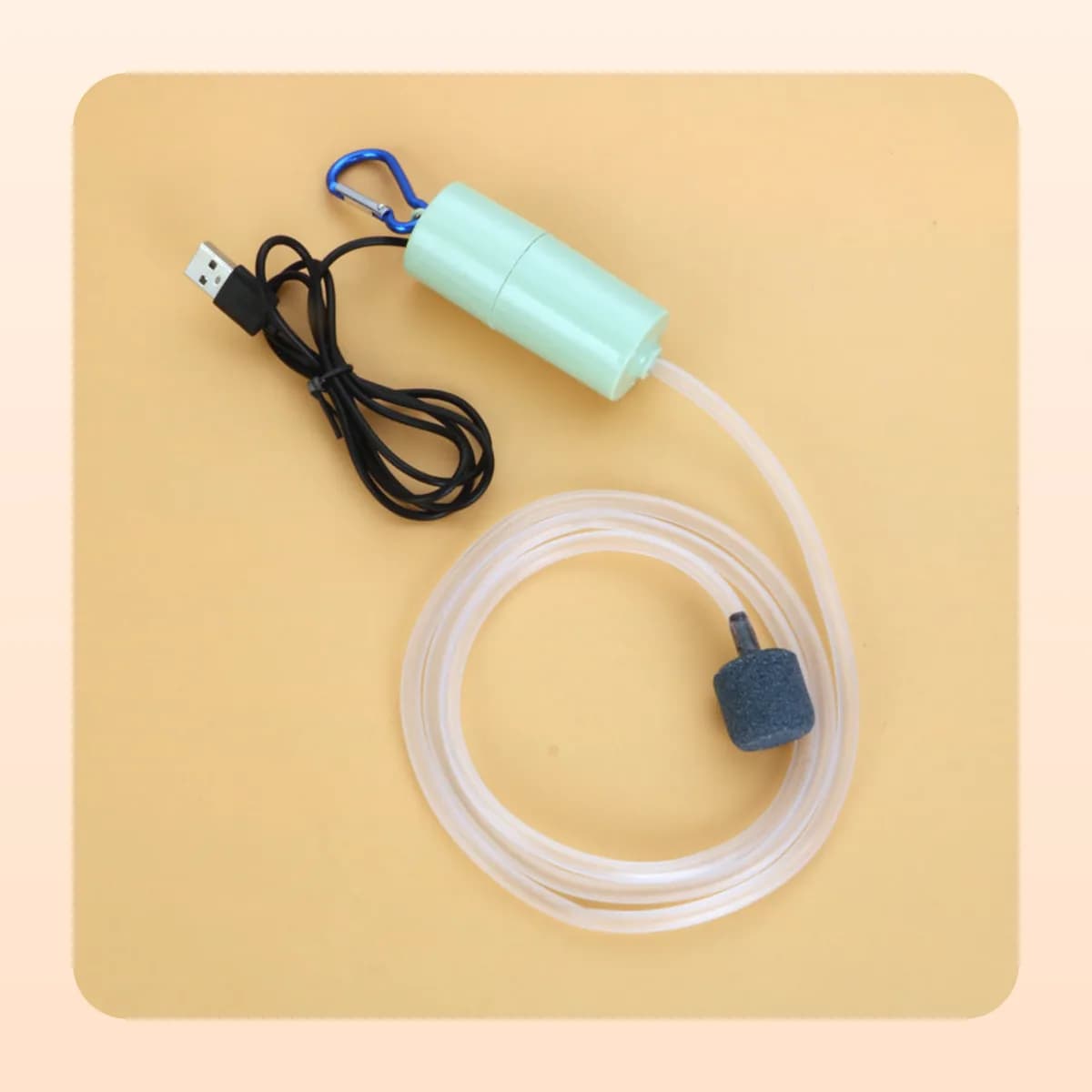

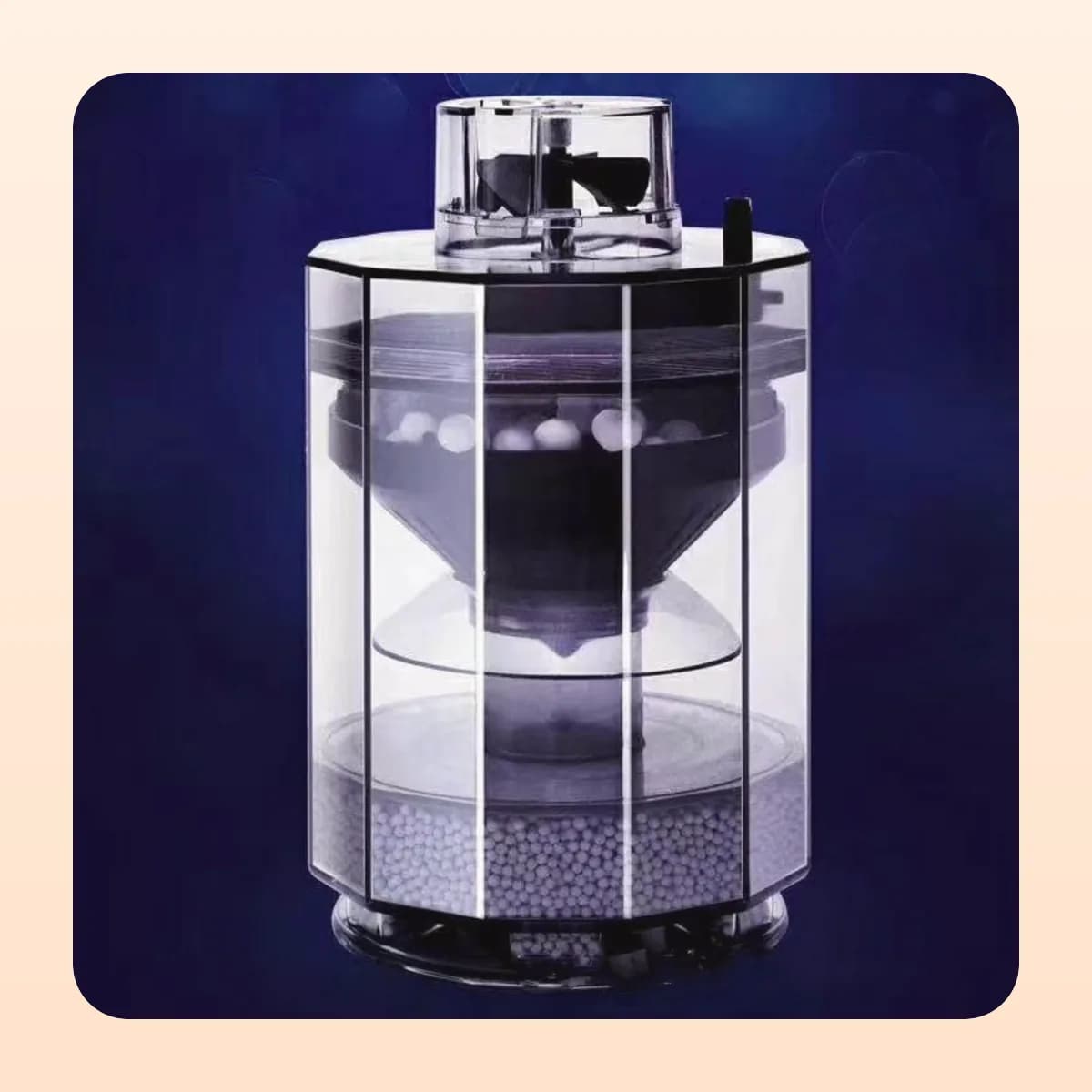
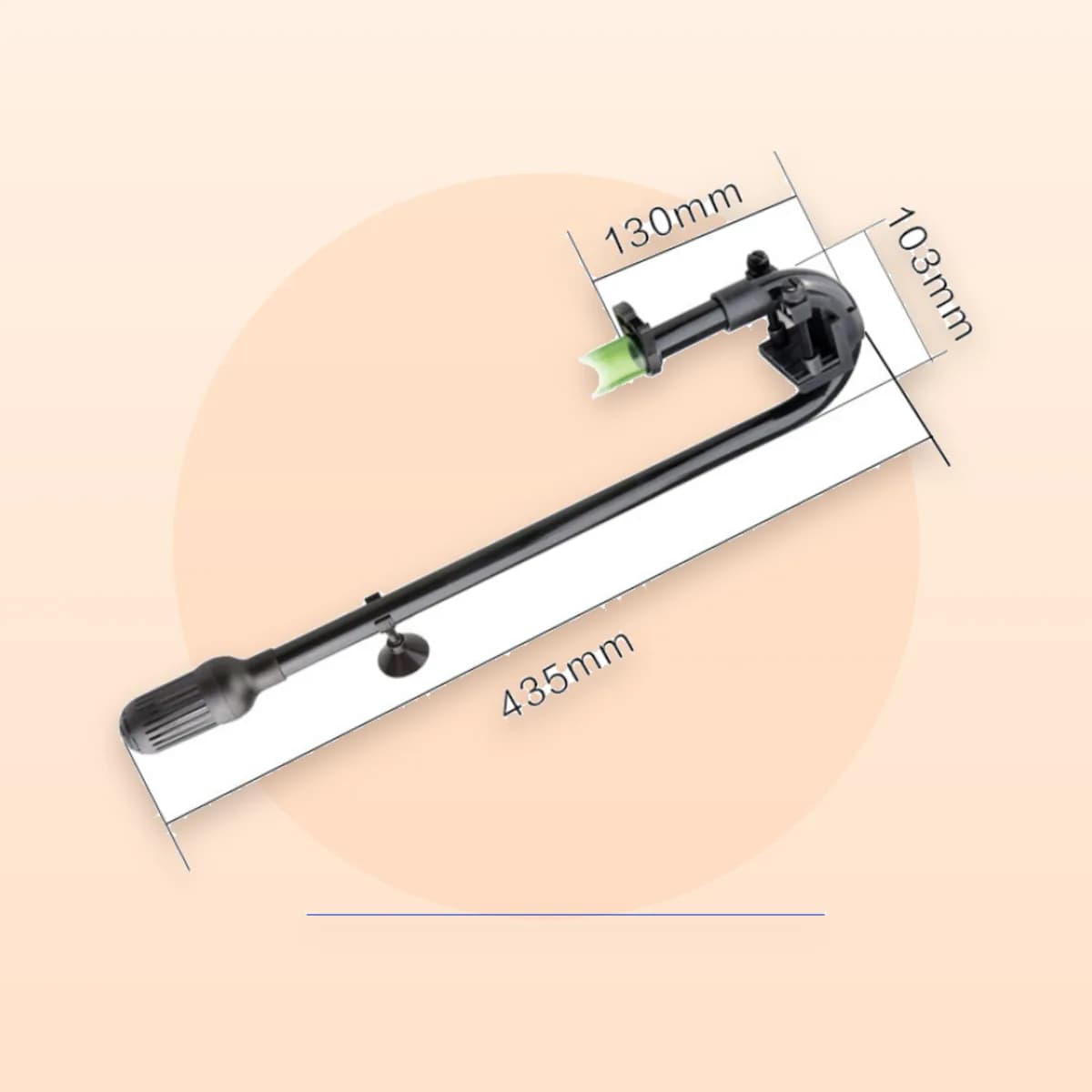

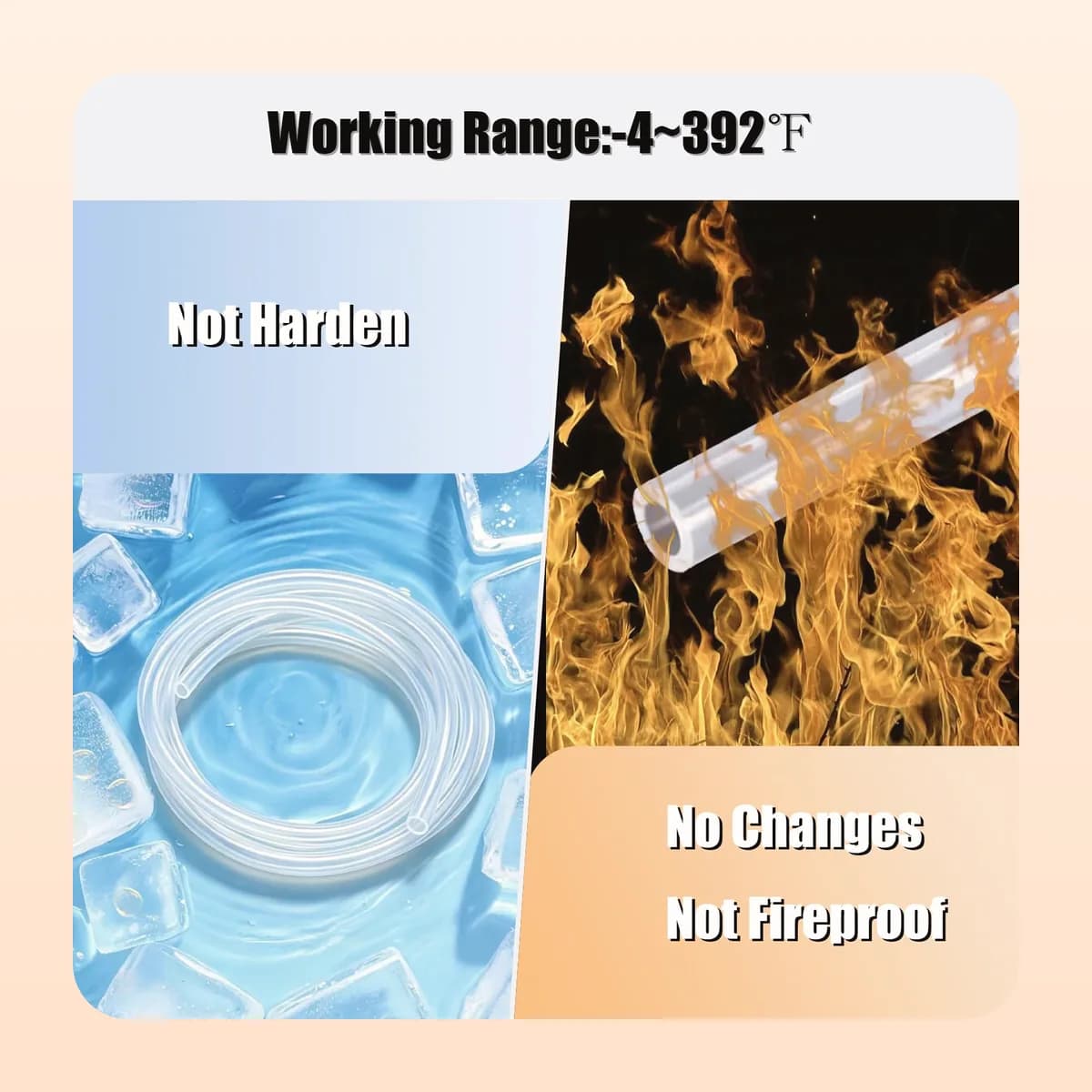
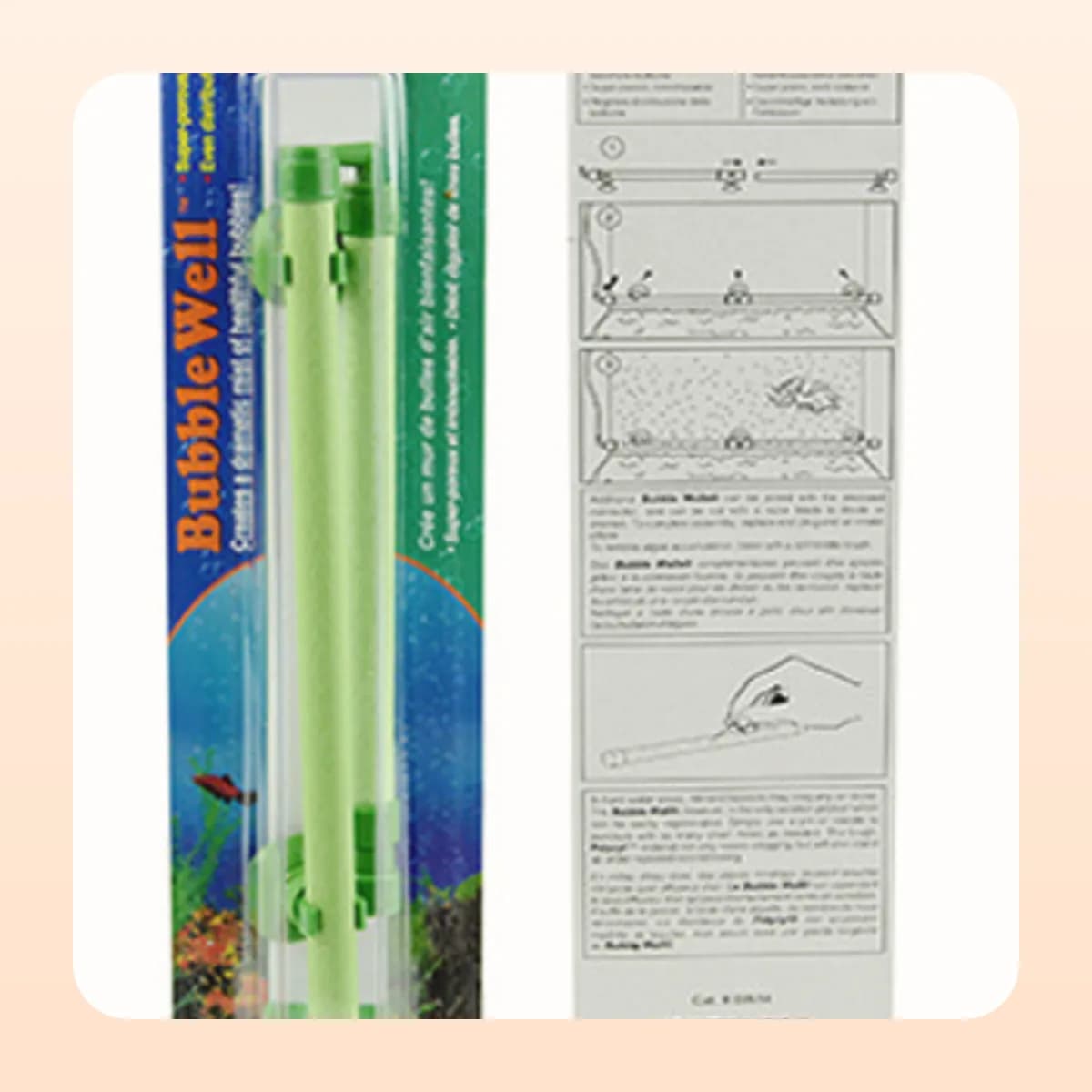
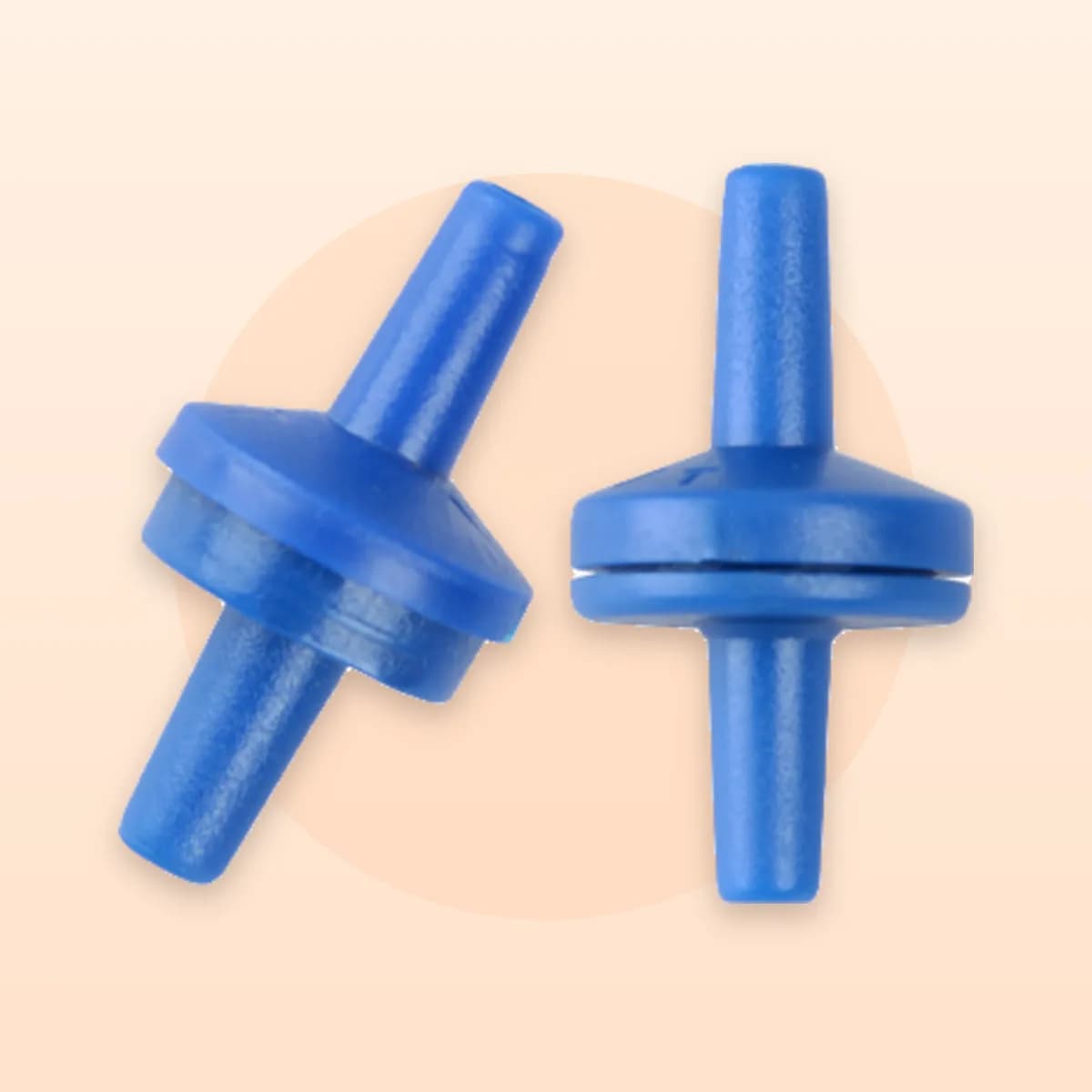
Fish excrete ammonia, which is toxic at very low concentrations. One group of bacteria converts ammonia to nitrite, which is also toxic, and a second group converts nitrite to nitrate, which is far less harmful and gets removed by water changes. That chain is the nitrogen cycle, and it lives on the surfaces inside your filter rather than in the water.
This is why a brand new filter cannot protect fish. The colony takes several weeks to establish, and adding fish before it has is the single most common cause of early losses. It is also why the media matters: ceramic rings and bio balls exist to offer enormous surface area for that colony, and they should be replaced only a portion at a time so the population survives.
An air pump does two useful things. It drives water through a sponge filter using nothing but rising bubbles, and it agitates the surface, which is where oxygen actually enters the water and carbon dioxide leaves. Surface movement matters far more for oxygenation than bubbles passing through the water column.
Air-driven sponge filters suit fry, shrimp and betta tanks because there is no impeller to pull small animals in and almost no current. Noise is the usual complaint, and most of it is vibration transmitted through the surface the pump sits on rather than the pump itself. Stand it on something soft, keep it above the water line, and fit a check valve so a power cut cannot siphon tank water back down the airline.
Too much flow is a real problem for long-finned fish and for anything from slow-moving water. A spray bar spreads the outflow along the tank wall instead of firing it across one corner, and a flow valve on the airline lets you turn bubbles down without throttling the pump, which is the way to do it without shortening the pump's life. Aim for gentle surface movement across the whole tank rather than a visible current.
Monthly at most, and only by squeezing the sponge out in old tank water. Cleaning it too thoroughly or too often strips the bacteria and can restart the cycle, which is worse than a slightly dirty filter.
Not usually, provided the filter outflow disturbs the surface. Add one in a heavily stocked tank, in hot weather when water holds less oxygen, or if you see fish gasping near the surface.
No. Replace at most a third at a time and leave the rest in place for several weeks, or you remove the bacterial colony along with the media and the tank cycles again from scratch.
Usually an impeller clogged with debris or worn out, or an air pump whose diaphragm is tiring. Unplug, rinse the impeller in tank water and check for grit. Vibration against a hard cabinet accounts for a surprising amount of it.
Most new tanks fail in the first month for one reason. Cycling fixes it, takes three to six weeks, and costs about the price of a test kit.
9 min read
Last reviewed 30 August 2026