The Kindral shop
Aquarium Ornaments and Decorations
Decor is not only scenery. Fish that cannot get out of sight stay stressed, and stressed fish colour down, hide at the back and pick up disease more readily. The useful question about any ornament is whether a fish can actually use it, not whether it looks good in an empty tank.
- Every fish should have somewhere it can be completely out of view
- Check openings are either too small to enter or big enough to exit
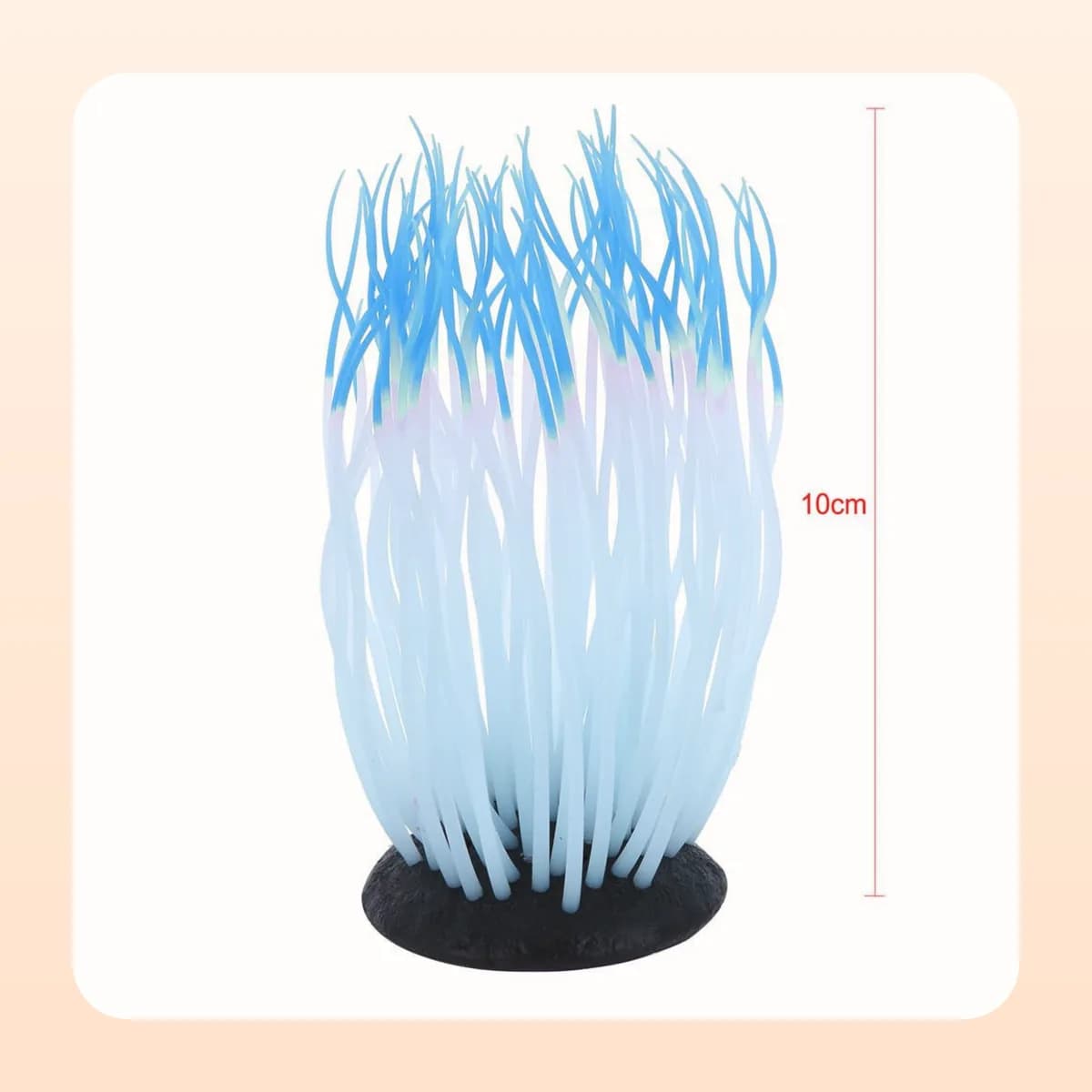
- Silk and silicone move with the flow; stiff plastic can scratch
- Plant tall at the back, short at the front, and leave swimming room
12 products
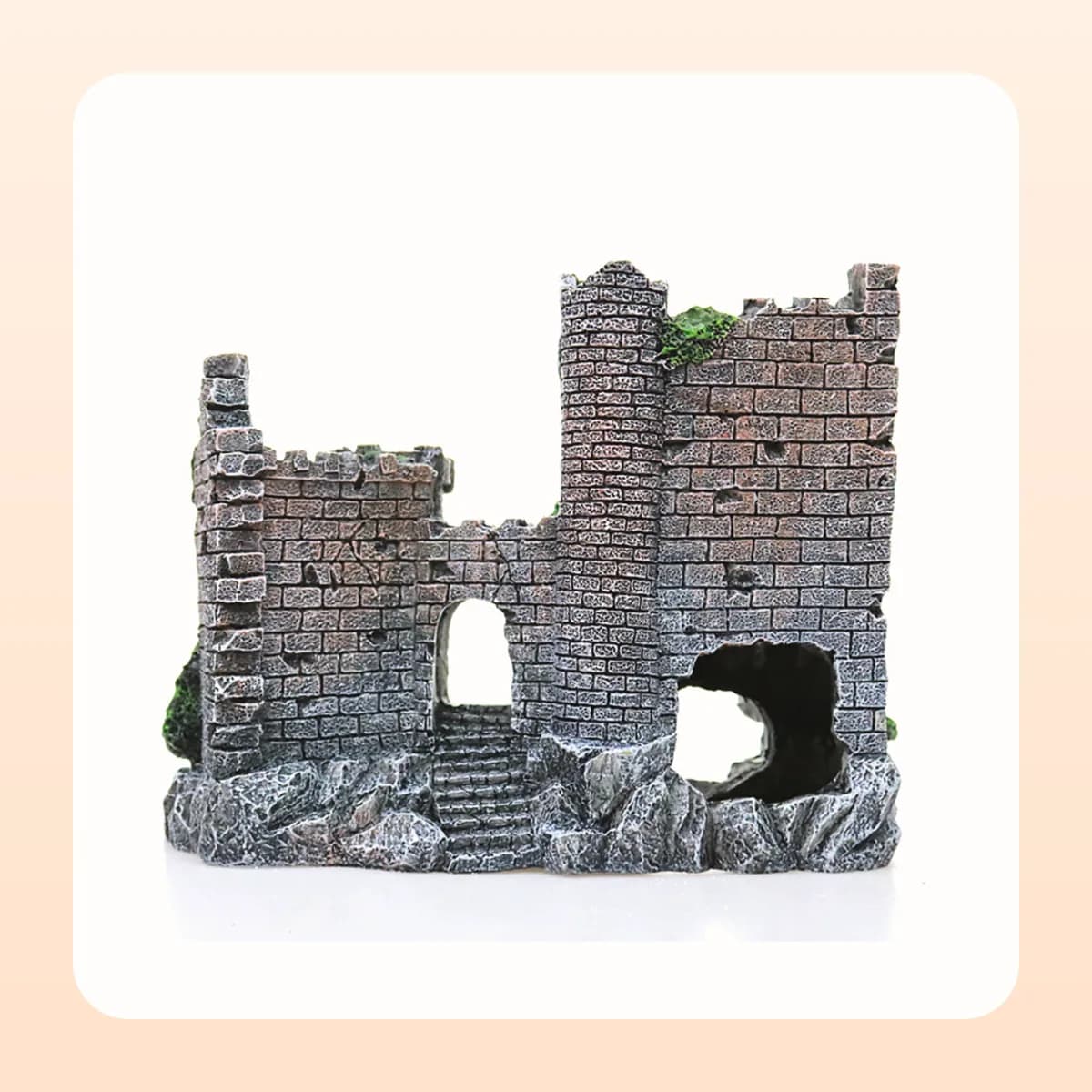

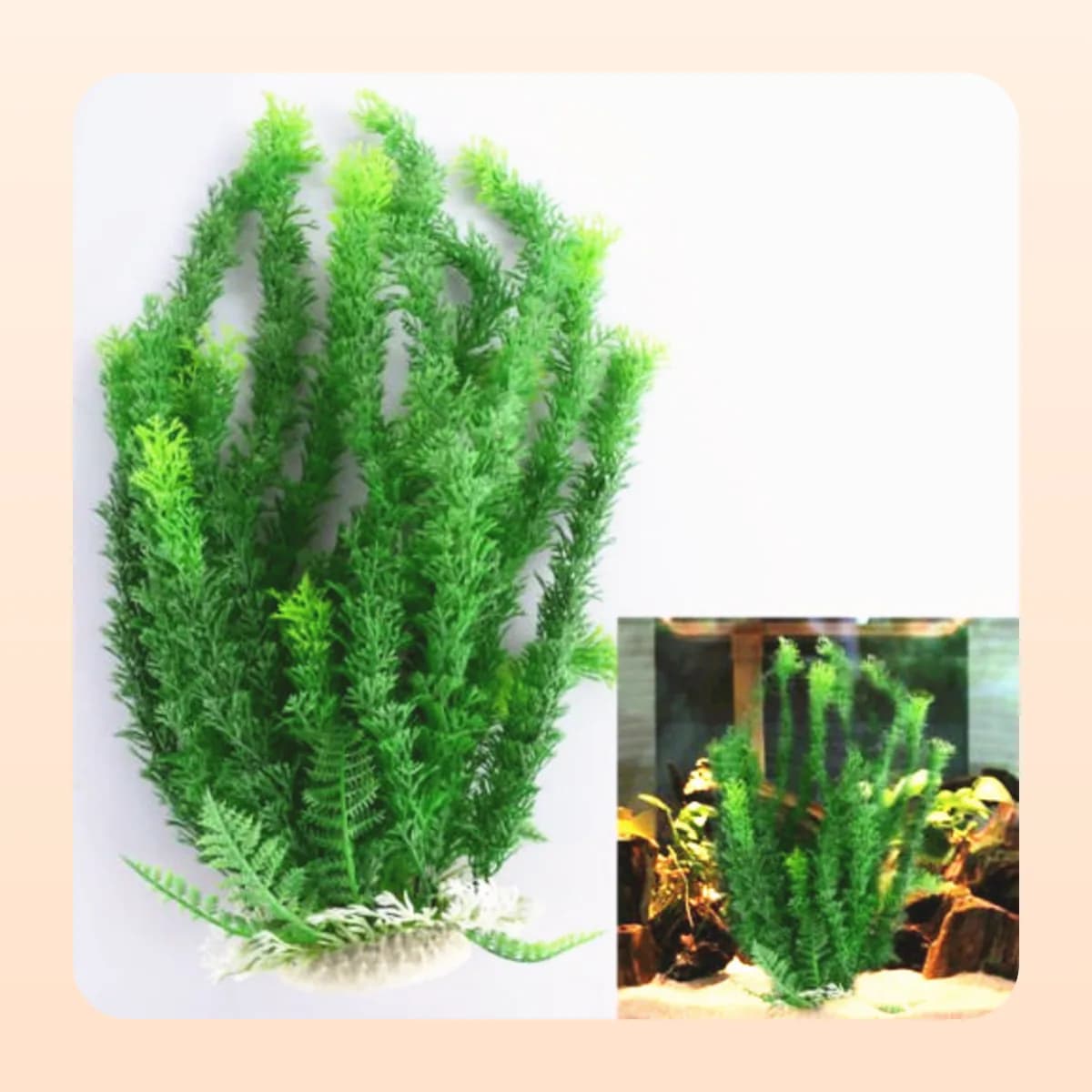
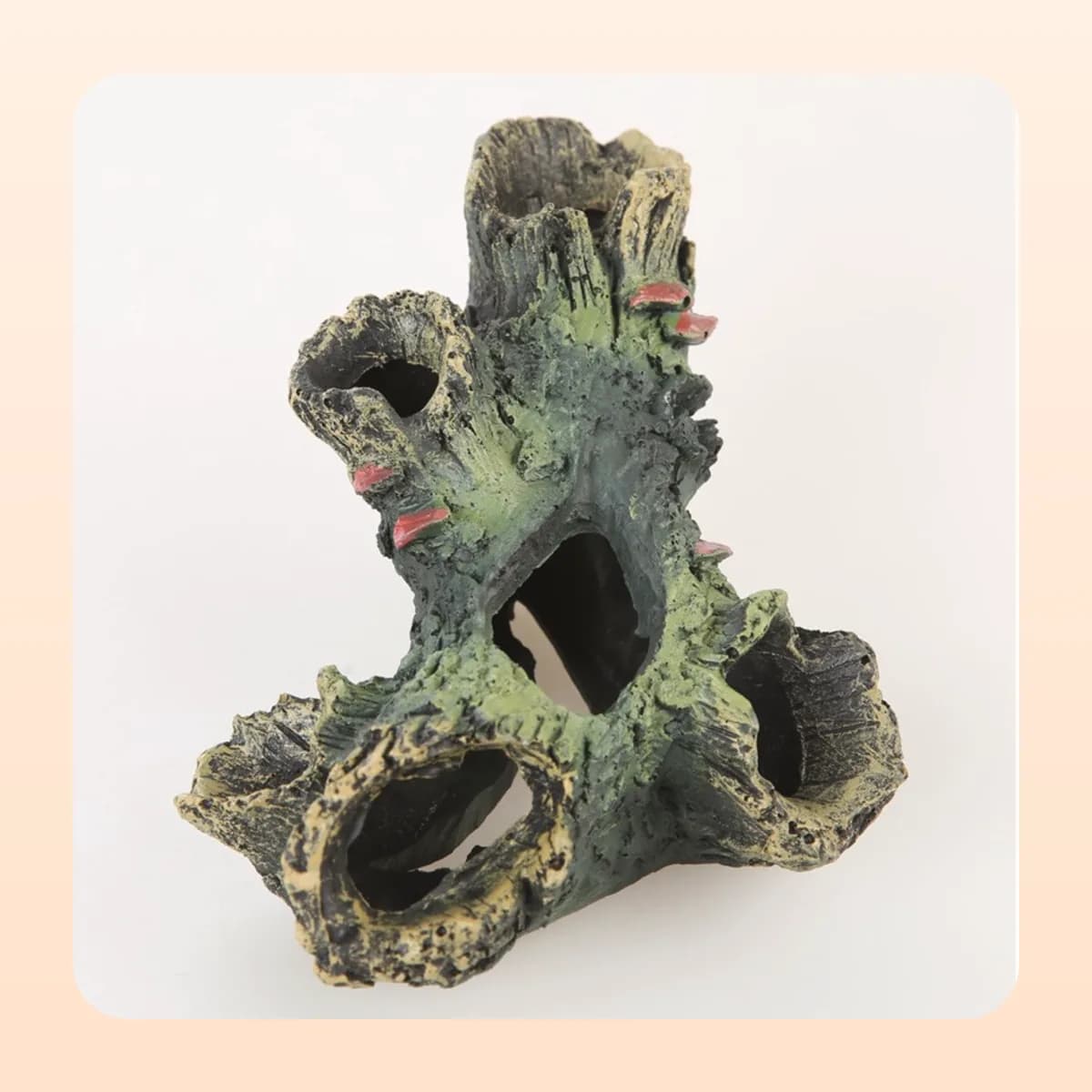
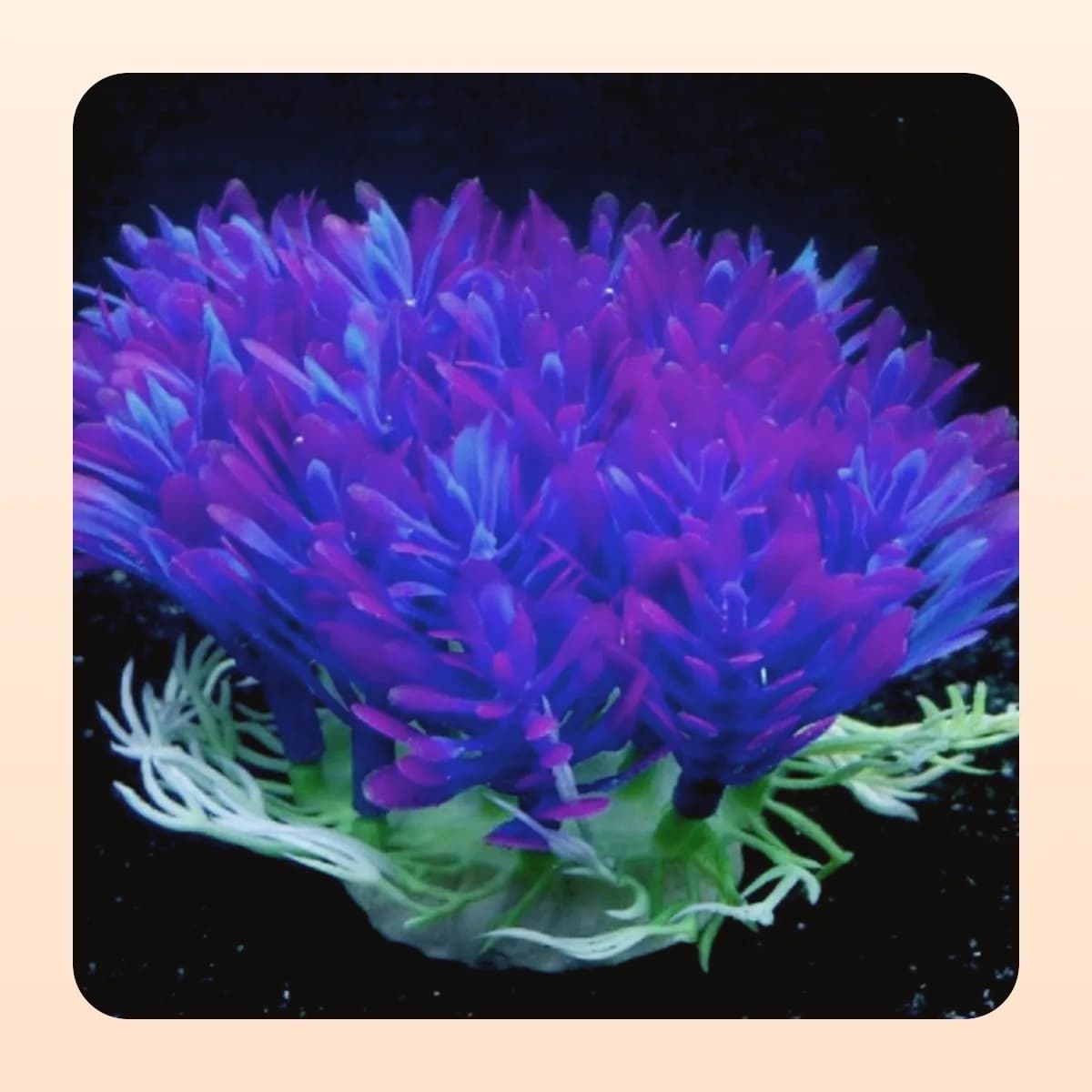
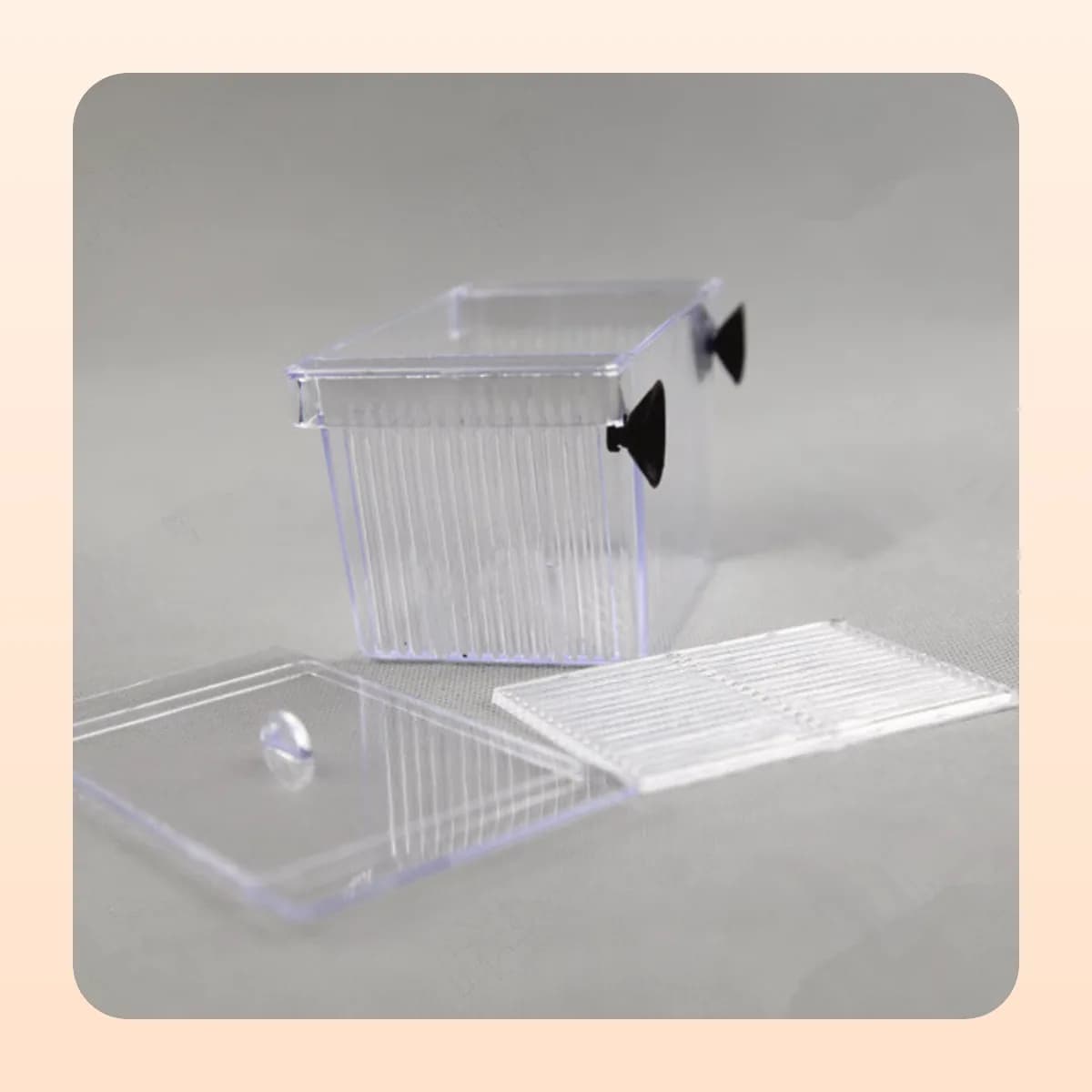
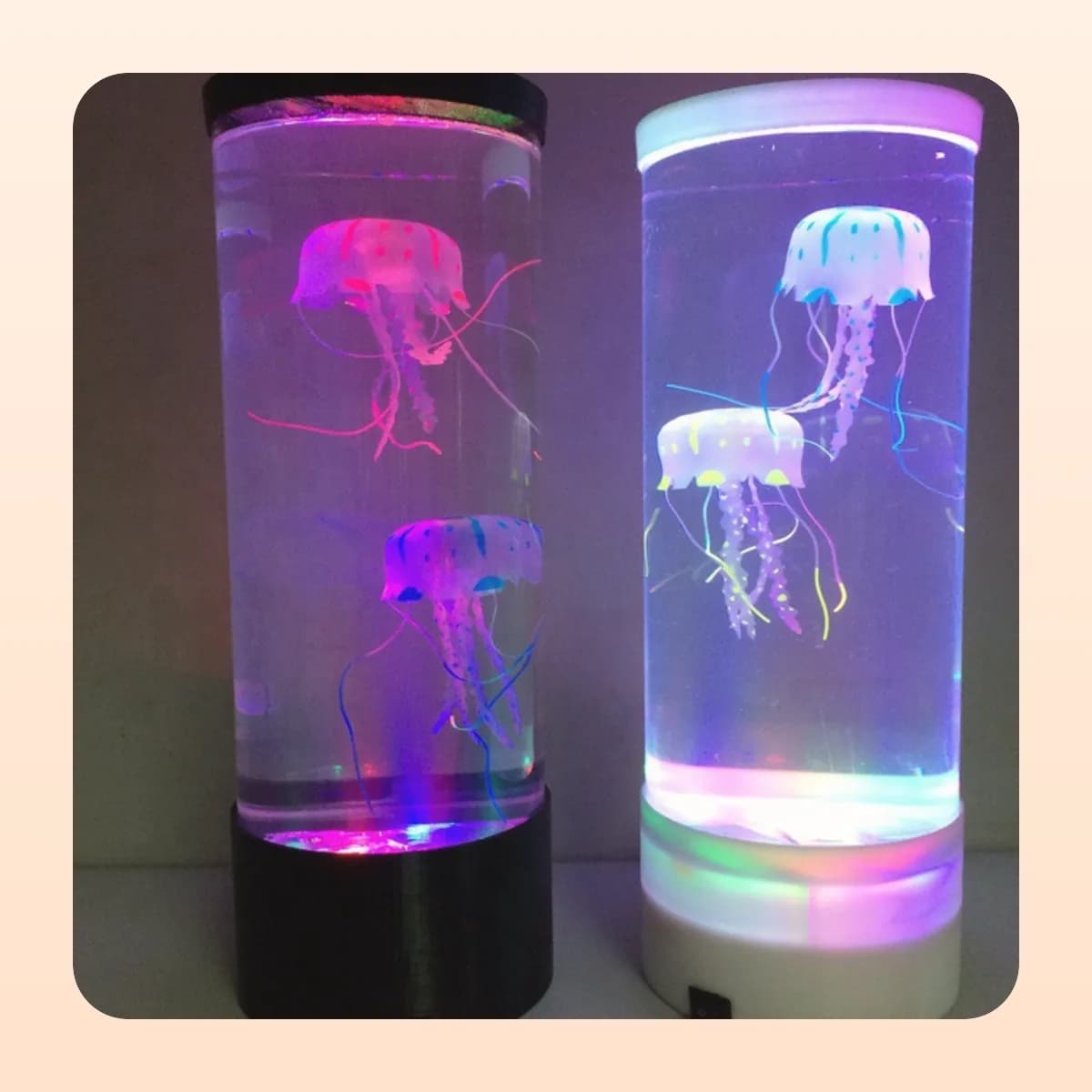
Hiding places are functional
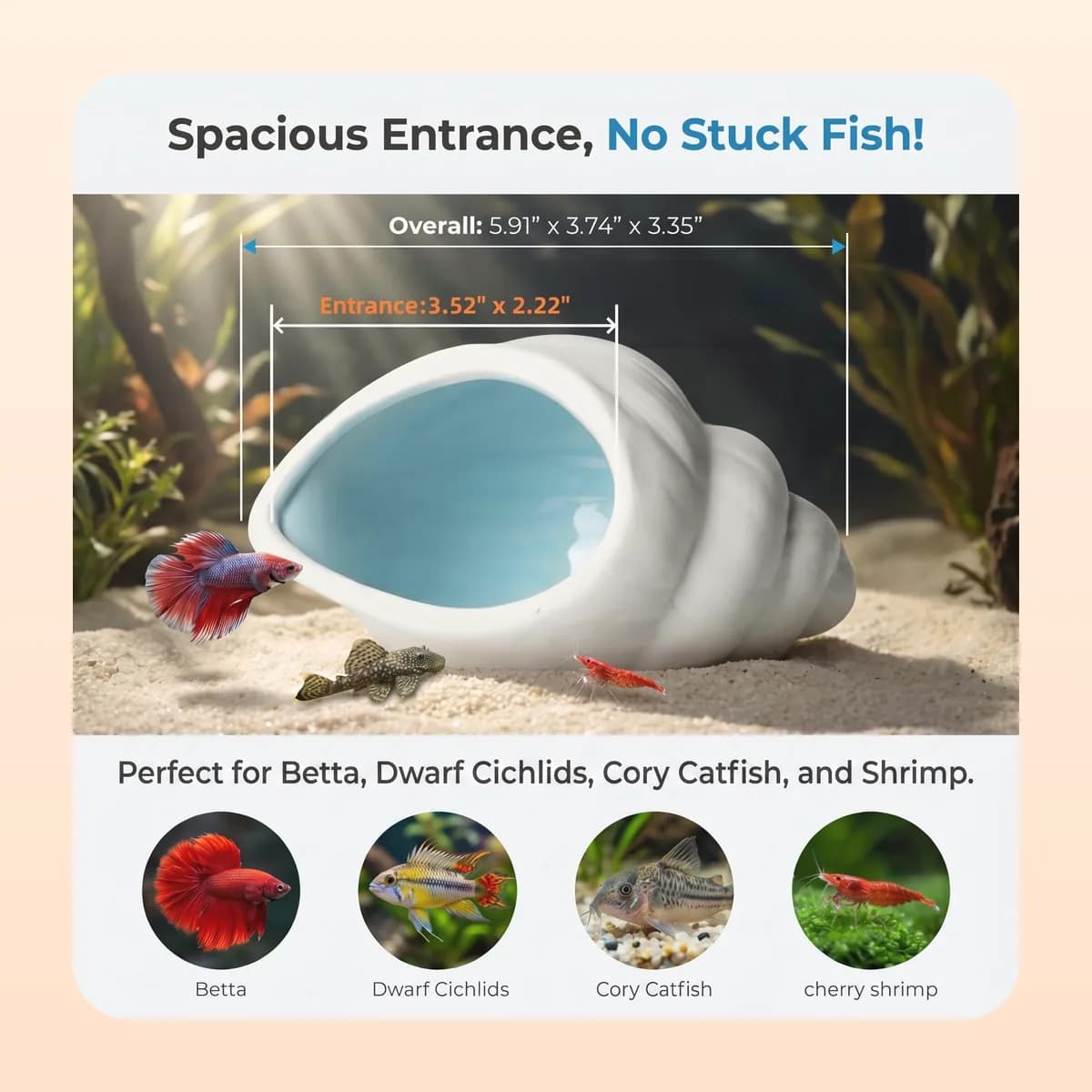
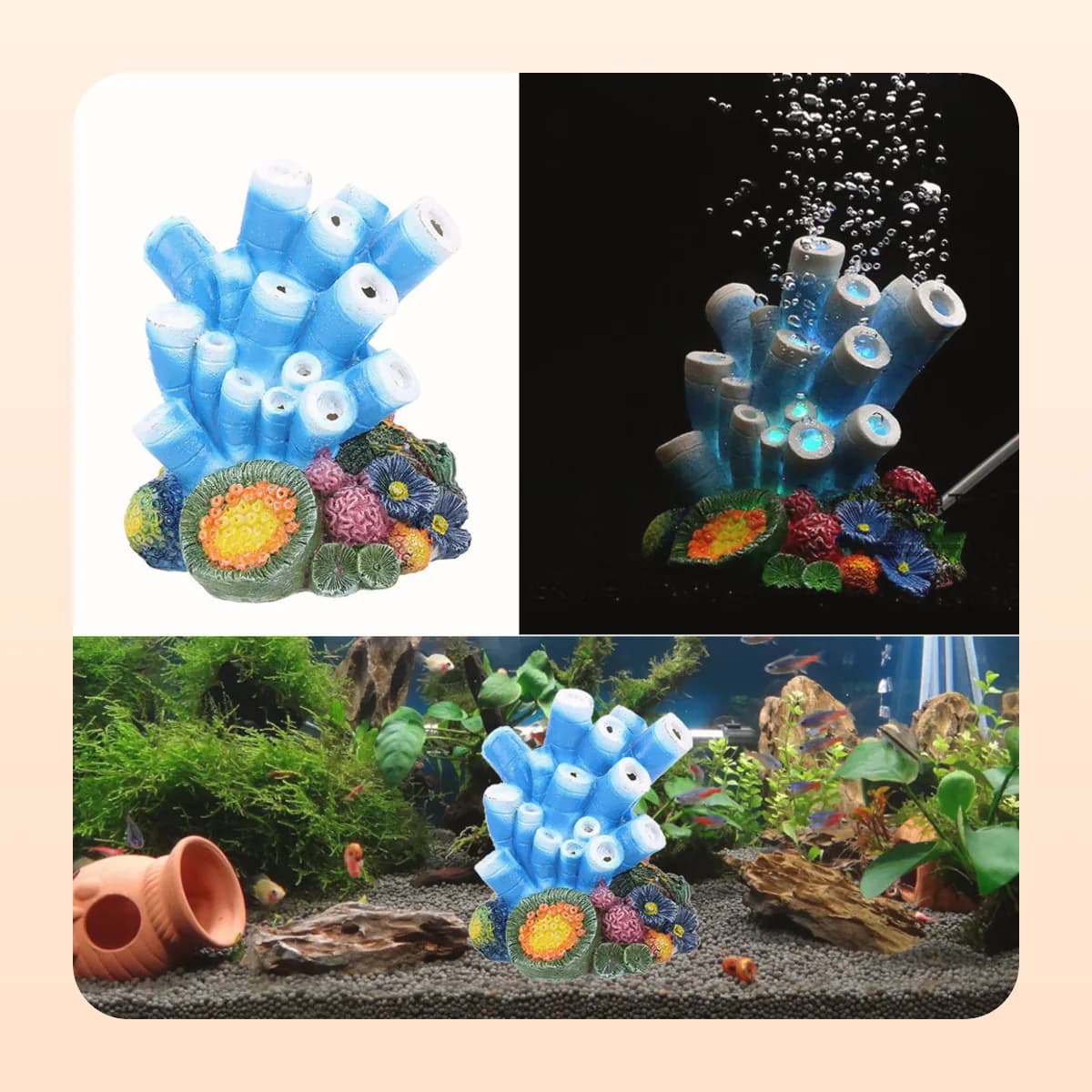
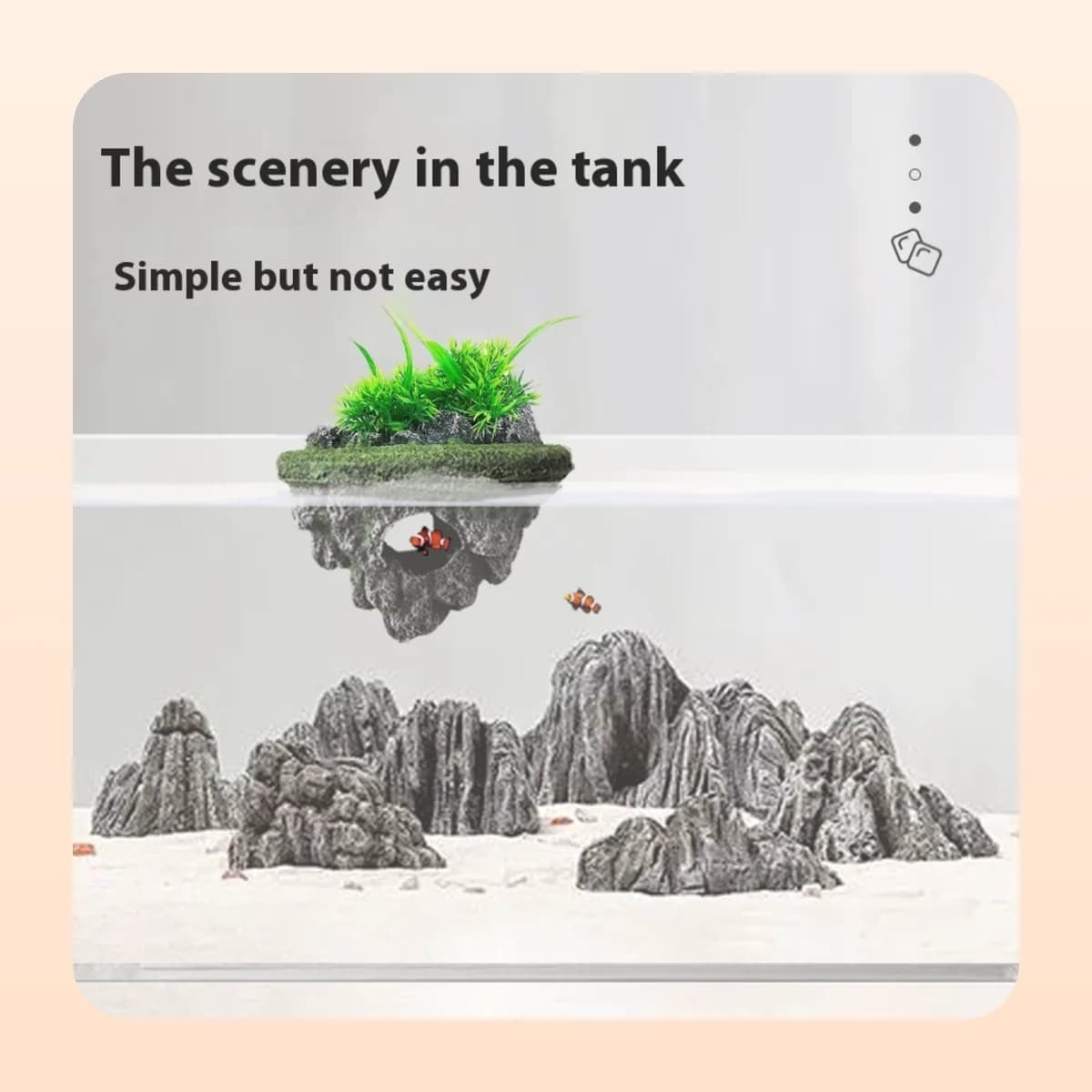
A cave, a hollow branch or a dense stand of planting gives a fish somewhere to retreat, and having that option available lowers stress even when it goes unused. Bettas, catfish, loaches and most bottom dwellers need it outright. In a community tank the rule of thumb is one usable retreat per territorial fish, positioned so occupants cannot see each other from inside.
The hazard to watch is an opening a fish can enter but not leave, or one that traps a fish part way. Anything with a hole wants to be either clearly too small to swim into or comfortably larger than the widest fish in the tank. Check ornaments for sharp casting seams as well: long-finned fish tear fins on edges that feel smooth to a fingertip.
Artificial plants that behave like plants
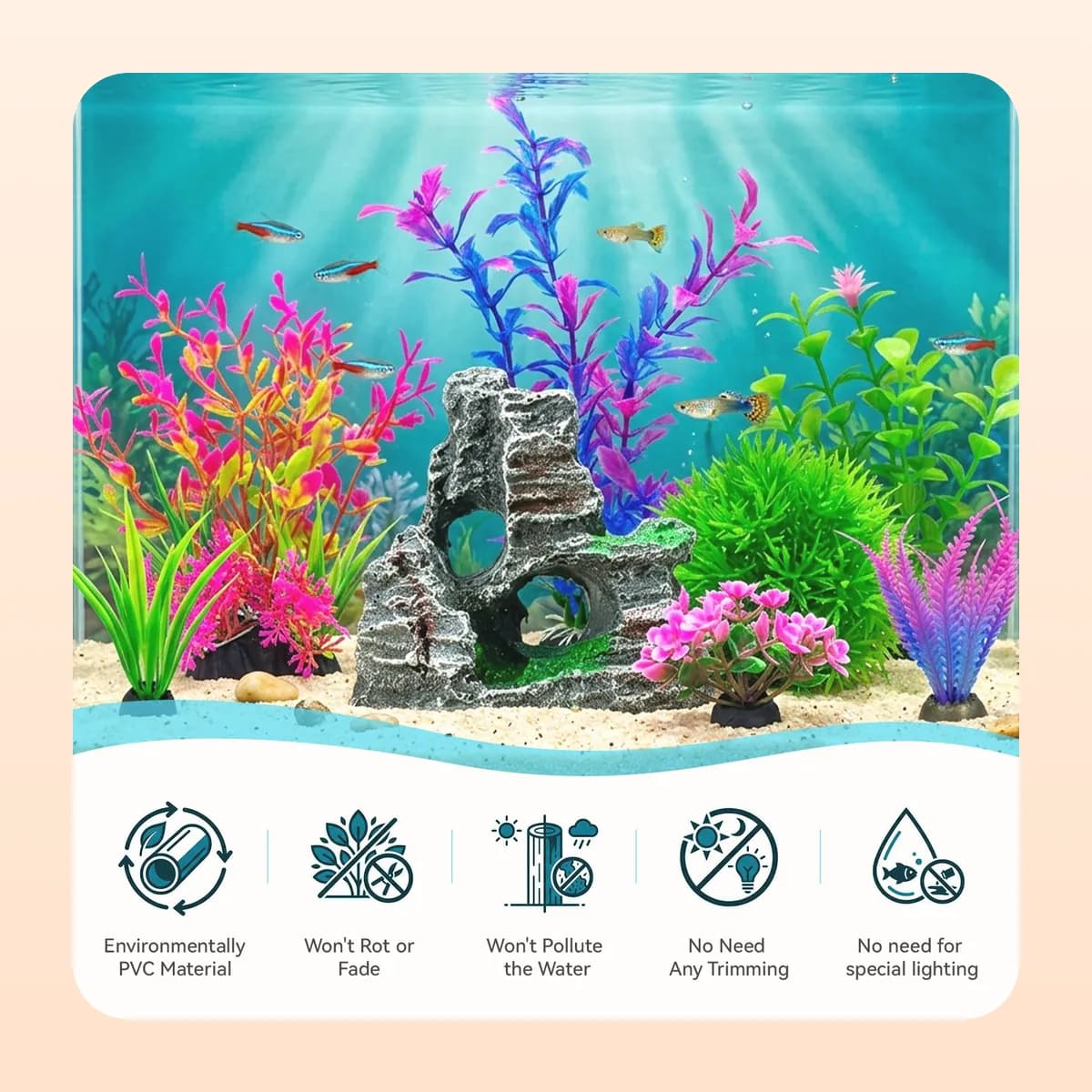
Silk and soft silicone move with the filter flow, which is what makes a tank look alive rather than staged, and neither will damage fins. Rigid plastic plants are the ones that cause trouble, because the moulded edges of the leaves stay sharp and a betta or fancy guppy will shred itself on them over weeks.
Arrange by height. Tall stems along the back wall hide equipment and give the tank depth, mid-height planting fills the corners, and a short foreground tuft finishes the front without blocking the view. Leave a genuine swimming lane through the middle, because a tank packed wall to wall looks impressive from the front and gives active fish nowhere to go.
Cleaning and adding new pieces
Rinse anything new under warm running water before it goes in, and never use soap or detergent, since residue trapped in a porous surface leaches out for weeks. Established decor is cleaned by scrubbing in a bucket of old tank water during a water change, which removes algae without stripping the beneficial bacteria that have colonised the surfaces.
Genuine aquarium driftwood will often tint the water a light tea colour for the first few weeks as tannins leach out. That is harmless and many soft-water fish prefer it, but soaking the wood in a bucket for a fortnight beforehand reduces it if you would rather have clear water.
Common questions
Scrub them in a bucket of water taken from the tank during a water change. Never use soap or household cleaner, because residue soaks into porous surfaces and leaches back out for weeks.
Rigid plastic often is not. The moulded leaf edges stay sharp and long fins tear on them. Silk or soft silicone is the safer choice for any long-finned fish.
Tannins leaching out of the wood. It is harmless, and soft-water species usually prefer it. Soaking the wood in a bucket for a couple of weeks first, or running activated carbon, clears it faster.
When there is no open swimming lane left, or when you can no longer reach the substrate to clean it. Keep a clear route through the middle and leave the front third relatively open.
Last reviewed 30 August 2026