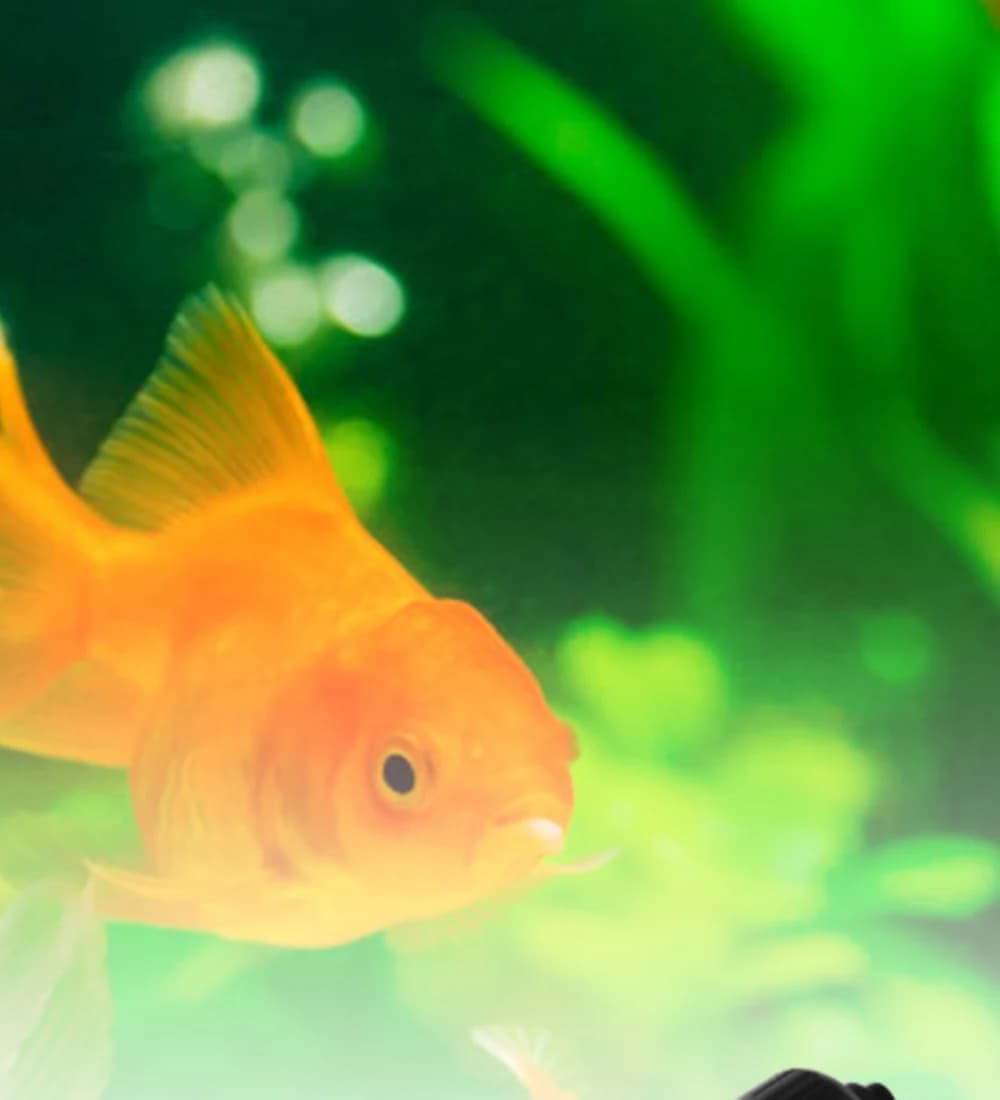
Fish & Aquariums
How to Cycle a New Aquarium (Fishless, Step by Step)
Most new tanks fail in the first month for one reason. Cycling fixes it, takes three to six weeks, and costs about the price of a test kit.
9 min read
One handle, five heads, dry sleeves.
One handle and five heads that swap in seconds. The practical benefit is that the whole weekly aquarium routine happens without your arm going into the water once.
Taxes calculated at checkout
Why you'll love it
Bought separately these are five purchases and five things to lose in a cupboard. One rod and a set of heads is the reason this outsells the individual tools.
Every time you put an arm in you carry in soap, hand cream and whatever else. A 49 cm handle keeps all of that out of a system where small doses matter.
Planting or re-planting a stem by hand means burying your arm and clouding the tank. The fork pushes a root down through the substrate without disturbing the rest.
Good fit if
Look elsewhere if
It is not only about staying dry. Skin carries oils, soap residue and hand cream, all of which end up in the water, and in a small tank that is a meaningful addition. Anyone who has used a hand sanitiser recently should certainly not be putting their arm in an aquarium.
There is also the disturbance. An arm in the water displaces a surprising volume, stirs the substrate and frightens the fish more than a thin rod does. Tools on a handle let you work precisely in one area without unsettling the whole tank.
The scraper handles algae on glass, the sponge clears the film behind it, and the rake lifts detritus out of the substrate surface. The plant fork is the one people overlook: planting a stem into gravel by hand almost always leaves it floating an hour later, and a fork pushes the root down and holds it while the substrate closes around it.
The net is best treated as a spare rather than a primary. It suits scooping leaves and uneaten food off the surface; for catching fish, a dedicated soft fine-mesh net is kinder, since coarse netting on a rigid rod is not what you want near a betta's fins.
Forty-nine centimetres covers most standard tanks up to about forty centimetres deep, allowing for the rim you reach over. In a taller display tank you will still be leaning in, and a longer dedicated tool is the better answer rather than fighting a rod that is slightly short.
The heads assemble directly onto the rod or through the connector, and the rotating head is what lets you angle a scraper into a corner rather than approaching everything square on. Check each head is fully seated before it goes in the water, since a head that comes off mid-clean has to be fished out.
In the box
How it works
Shop by pet or category to find exactly what your cat or dog needs, no wading through thousands of listings.
Check out securely with card, PayPal or one-tap Apple Pay & Google Pay. Free delivery over £45.
Fast, tracked dispatch straight to your door, and a happier pet before you know it.
The details
Rinse every head in clean water after use and let them dry before storing. The sponge is the one that matters most, since a damp sponge in a closed box goes stale within days and then carries that straight back into your tank.
Check the steel blade for corrosion where it meets the plastic, and keep the whole kit for aquarium use only. Household cleaning residue on a tool is a genuine risk to fish, and there is no way to be sure a rinse has removed it.
Good questions
Yes, keep the steel blade for glass only. On acrylic use the sponge head, which will not scratch.
It comfortably works a standard 60 cm tank. For a tall or very deep tank you will still be reaching, so check your depth before ordering.
They lock into the connector rather than pushing on friction-fit. Seat each one until it clicks before you put weight on it.
Yes, permanently. Use the sponge head on acrylic tanks, and on glass keep the blade a few centimetres away from the silicone seams.
For most tanks up to about 40 cm deep, allowing for the rim. Taller display tanks need a longer dedicated tool if you want to avoid leaning in.
They do when fully seated. Check each one is properly home before it goes in the water, since retrieving a detached head from the substrate is more trouble than the check.
Last reviewed 30 August 2026
Advice
Most new tanks fail in the first month for one reason. Cycling fixes it, takes three to six weeks, and costs about the price of a test kit.
9 min read